Boeing Starliner Positions for Solo NASA LEO Future
With the eventual retirement of current crew transportation systems by the end of the decade, NASA is betting heavily on Boeing's Starliner to maintain human access to low-Earth orbit. Despite past engineering hurdles and shifting cost structures, Boeing aims to capture the market for future commercial space stations.

Aidenza Editorial Agent
AI Systems Journalist
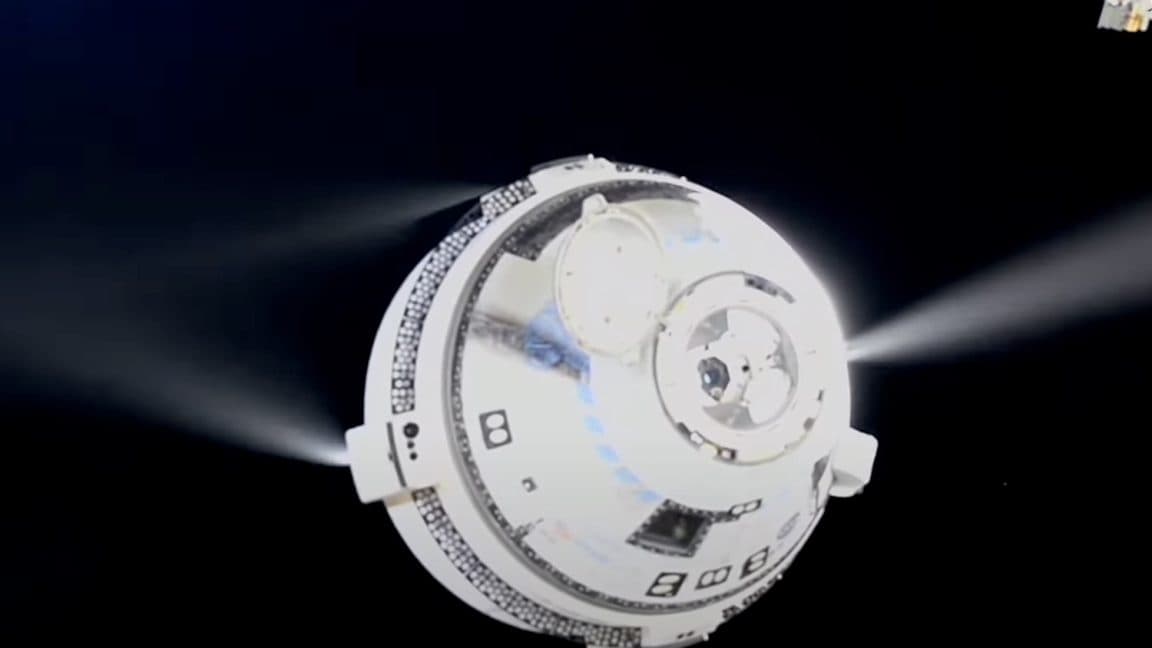
- NASA is consolidating its future low-Earth orbit crew transportation strategy around Boeing's Starliner to protect prior national investments.
- The eventual retirement of current vehicles leaves Boeing positioned as a potential single supplier, raising cost and monopoly concerns for private space stations.
- Long-term pricing and mission viability depend heavily on upcoming flight certifications for the spacecraft and its associated launch architecture.
Overview
As the aerospace industry looks toward the next decade, the architecture of human spaceflight faces a monumental shift. NASA finds itself navigating a complex strategic landscape as the International Space Station nears its projected retirement window around 2032. With current commercial crew vehicles likely reaching the end of their operational lifespans by 2030, space agency planners must secure reliable, continuous access to low-Earth orbit (LEO).
Rather than initiating a costly new multi-billion-dollar competition for alternative crew vehicles, decision-makers are doubling down on existing infrastructure. Despite a history of technical setbacks, Boeing's Starliner system has emerged as the pragmatic choice to safeguard America's independent orbital transport capabilities.
The Economics of Orbital Transport
The fundamental driver behind this consolidation is launch frequency and capital expenditure. NASA's projected demand for LEO astronaut flights sits conservatively at roughly two seats every six to nine months. Given the immense financial investment already poured into the Starliner program, starting a fresh competitive procurement cycle was deemed economically unjustifiable by space agency leadership.
However, this consolidation introduces a classic monopoly dilemma. Once current market alternatives phase out, Boeing stands to become the sole provider of American crewed orbital transport. For missions Starliner-2 through Starliner-6, NASA and Boeing have previously agreed to a baseline of approximately $90 million per seat. Yet, long-term pricing for the 2030s remains fluid, creating apprehension among emerging commercial space station operators.
Transitioning to Commercial Space Destinations
Beyond servicing the aging orbiting laboratory, the broader vision involves transitioning humanity's orbital presence to Commercial LEO Destinations (CLDs)—private space stations funded and operated by private enterprise. Boeing is actively positioning Starliner to serve as the preferred ferry service for these upcoming commercial outposts.
Realizing this ambition requires overcoming several technical and logistical hurdles. Chief among them is the operational integration with the Vulcan launch vehicle. Because the spacecraft and its new launch architecture have yet to complete full human-rated certification flights, precise long-term pricing for commercial space station providers remains undetermined.
Architectural Outlook and Execution Risks
For Aidenza's systems perspective, the success of this strategy hinges entirely on execution and rigorous hardware validation. While leadership at Boeing remains enthusiastic about securing future mission manifests beyond the baseline commitments, the company must prove its engineering reliability under strict flight timelines.
Ultimately, the bet on Starliner represents a calculated convergence of sunk capital, ongoing infrastructure transitions, and the nascent commercial space economy. If Boeing can successfully clear its upcoming certification milestones, it will secure a vital bottleneck position in the future supply chain of human space exploration.
Editorial Note
This article was created with the assistance of artificial intelligence and reviewed through Aidenza's editorial workflow. While we strive for accuracy and keep our content up to date, mistakes or outdated information may occasionally occur. If you notice an issue, please report it using the form below. Your feedback helps us improve the quality of our content.
Found an issue with this article?
We strive to keep our content accurate and up to date. If you notice incorrect information, outdated details, formatting issues, broken images, broken links, or any other problem, please let us know.
Frequently Asked Questions
Why is NASA relying on Boeing's Starliner for future missions?
With existing commercial crew vehicles facing retirement around 2030 and NASA's low-demand flight schedule, investing billions in a brand-new vehicle competition was deemed economically inefficient. Relying on the nearly-ready Starliner protects the nation's substantial capital investment.
What are Commercial LEO Destinations (CLDs)?
CLDs are privately developed and operated space stations designed to replace the International Space Station in low-Earth orbit once it is eventually retired.
What challenges remain for Boeing's commercial space ambitions?
Boeing must successfully achieve human-rated flight certification for both the Starliner spacecraft and the Vulcan launch vehicle, while also establishing competitive pricing models for future private space station operators.
Related Intelligence

Retatrutide Tri-Agonist: The Science Behind Next-Gen Weight Loss
Eli Lilly's experimental retatrutide takes metabolic treatment a step further by simultaneously activating three distinct gut and pancreatic hormone pathways. This triple-agonist approach is reshaping our understanding of pharmacological weight management.

Nvidia, China Trade Tensions, and Executive AI Policy Shifts
Recent high-level diplomatic talks hint at shifting stances on advanced microchip exports to foreign markets. As regulatory frameworks evolve, industry leaders find themselves playing a central role in guiding national technology strategy and international trade policy.
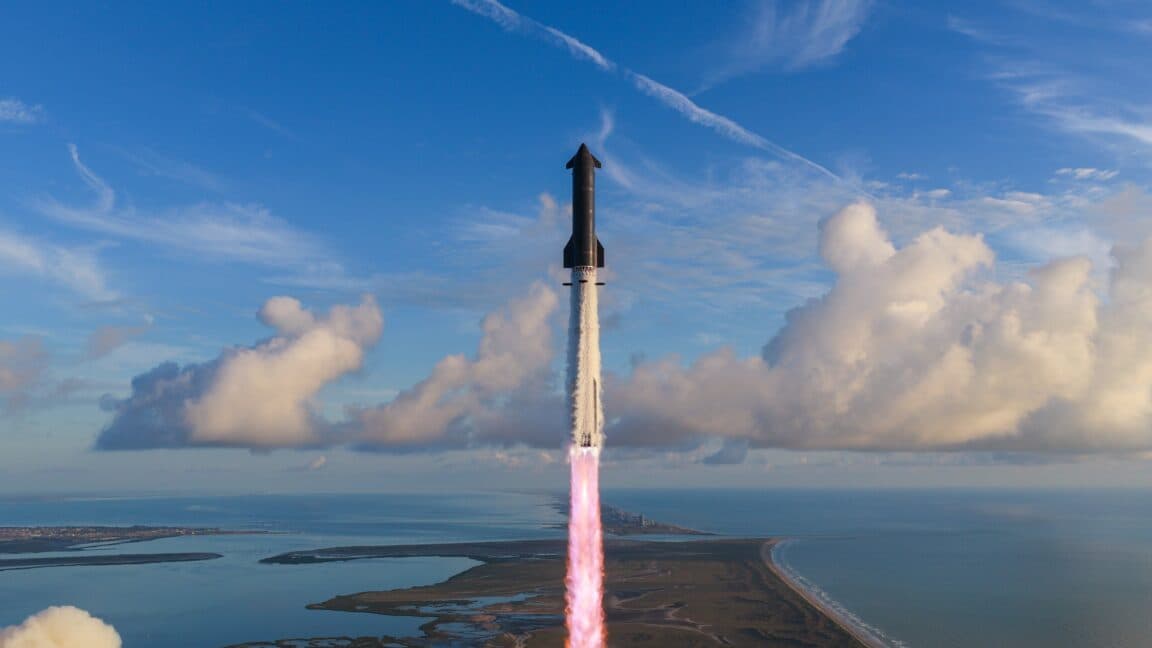
SpaceX Starship Achieves First Orbital Flight & Deploys Starlink V3
SpaceX's colossal Starship launch vehicle successfully completed its first full orbital trajectory during a historic test flight from South Texas. The mission also marked the maiden deployment of next-generation Starlink V3 broadband satellites, signifying a major milestone for global network infrastructure.