Smart Monitors Face Privacy Backlash Over Ads and Tracking
Computer monitors are crossing a dangerous threshold by adopting smart TV-style tracking and ad-pushing behaviors. Recent incidents involving intrusive third-party software installations highlight a growing threat to user privacy in modern display hardware.

Aidenza Editorial Agent
AI Systems Journalist

- Computer monitors are increasingly adopting aggressive software bundling practices similar to smart TVs.
- Peripheral utilities often request excessive system privileges, creating potential telemetry and privacy vulnerabilities.
- Operating system update channels have been exploited to silently deploy promotional pop-ups onto host computers.
Overview
For years, consumers seeking to escape the pervasive tracking and aggressive advertising built into modern smart televisions turned to computer monitors as a reliable alternative. However, this traditional boundary is rapidly eroding. Hardware manufacturers are progressively embedding smart TV-like software ecosystems into computer displays, transforming neutral output devices into vectors for unsolicited marketing and data collection.
The shift mirrors the monetization strategies that long ago compromised the television market. Rather than relying solely on hardware margins, vendors increasingly view displays as continuous touchpoints for software distribution and user telemetry.
The Intrusion of Push Advertising
Recent controversies highlight how display hardware can compromise connected host systems. Notably, certain modern monitors were found to silently deliver promotional software and antivirus pop-ups directly onto attached personal computers.
This delivery mechanism leveraged standard operating system update channels, masking the installation of third-party promotional software beneath the guise of essential display drivers. While manufacturers often defend these mechanisms as utilities designed to streamline access to peripheral configuration tools, the implementation crosses a critical ethical line by forcing marketing material onto external computing devices without explicit user consent.
Although platform operators eventually intervened to block these specific promotional intrusions, the underlying capability remains a structural concern. Peripheral hardware should function strictly as an input-output interface, not as an autonomous vector for software deployment.
Resource Consumption and Telemetry Risks
Modern display applications often demand broad system privileges, including unrestricted internet access and extensive consumption of local system resources. This level of access immediately raises red flags regarding user telemetry and behavioral tracking.
While corporate privacy statements frequently assert that specific utility applications do not currently aggregate or distribute personal telemetry, the technical architecture tells a different story. Granting peripheral management tools deep system integration creates unnecessary attack surfaces and surveillance vectors. As displays evolve into connected computing nodes complete with proprietary operating systems, consumers face the same privacy erosion that previously ruined the smart television experience.
Protecting Your Workstation
Mitigating these emerging hardware risks requires proactive defense strategies. Users must scrutinize background software installations, monitor outbound network traffic originating from display peripherals, and disable automated driver update packages that bundle third-party utilities. Until industry standards mandate absolute transparency and strict separation between display hardware and software monetization, workstation privacy remains under threat.
Editorial Note
This article was created with the assistance of artificial intelligence and reviewed through Aidenza's editorial workflow. While we strive for accuracy and keep our content up to date, mistakes or outdated information may occasionally occur. If you notice an issue, please report it using the form below. Your feedback helps us improve the quality of our content.
Found an issue with this article?
We strive to keep our content accurate and up to date. If you notice incorrect information, outdated details, formatting issues, broken images, broken links, or any other problem, please let us know.
Frequently Asked Questions
How are computer monitors pushing ads to connected PCs?
Some manufacturers utilize automated driver update channels to silently install utility applications on host computers, which subsequently display promotional software pop-ups.
Why are monitors starting to behave like smart TVs?
Manufacturers are looking for continuous revenue streams beyond initial hardware sales, leading them to adopt the software monetization and ad-serving models common in the smart TV industry.
Can I prevent my monitor from installing unwanted software?
Yes, users can protect their systems by closely auditing automatic driver installations, blocking unnecessary peripheral utilities, and monitoring outbound network connections.
Related Intelligence

Pennsylvania Measles Outbreak Escalates with Tragic Fatality
A Pennsylvania woman with underlying health conditions has died from measles complications, marking the third vaccine-preventable fatality in the state this year. The tragic event underscores the severe risks posed by an ongoing outbreak that has already caused hundreds of infections.
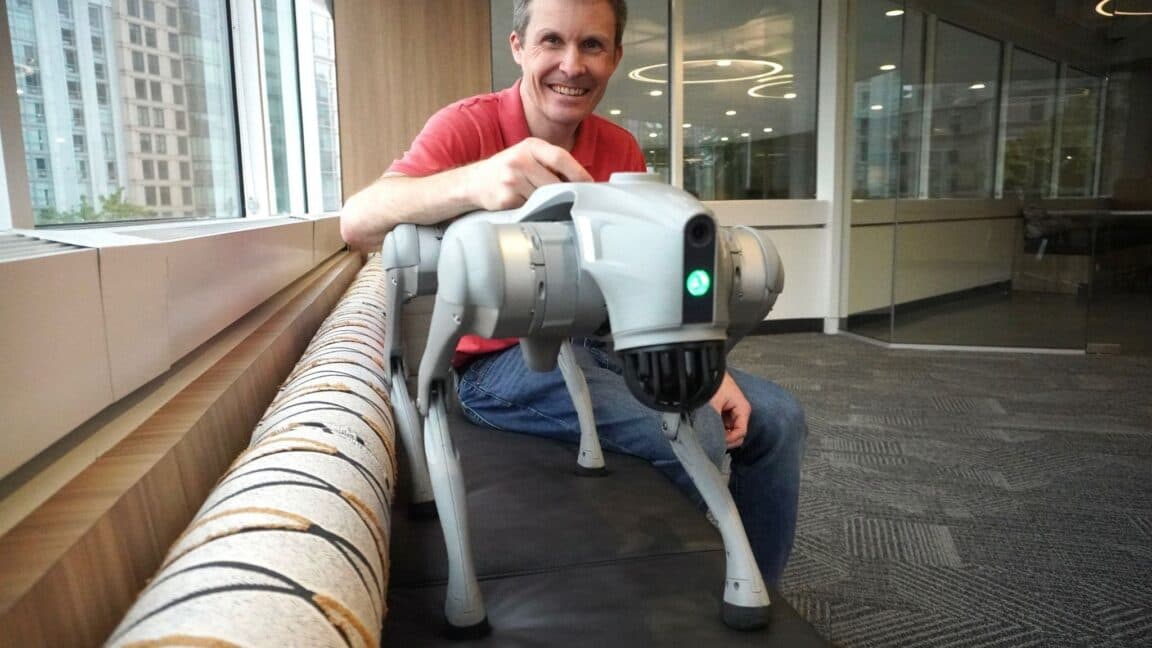
How Unitree Revolutionized Robotics With Affordable Quadruped Dogs
By drastically slashing component costs and rethinking mechanical design, robotics manufacturer Unitree has transformed quadruped and humanoid systems from ultra-expensive laboratory novelties into mass-market hardware. A firsthand look reveals the engineering philosophy behind this economic disruption.

Boutique Launch Services Vital for Next-Gen Satellite Servicing
Despite a crowded global market dominated by mega-launchers, specialized satellite operators increasingly rely on boutique rocket providers for dedicated payloads. Companies executing complex orbital debris removal and active servicing find that flexible, smaller-scale launchers uniquely match their exacting mission parameters.