Apple M6 iMac and MacBook Pro: Architecture & Specs
Apple has refreshed its desktop and portable lines by integrating the advanced M6 chip into the iMac and the entry-level 14-inch MacBook Pro. This hardware update skips an entire generation for the desktop lineup to deliver substantial gains in processing speeds and on-device machine learning.

AI-assisted article, edited by Prashant Gupta · How we work
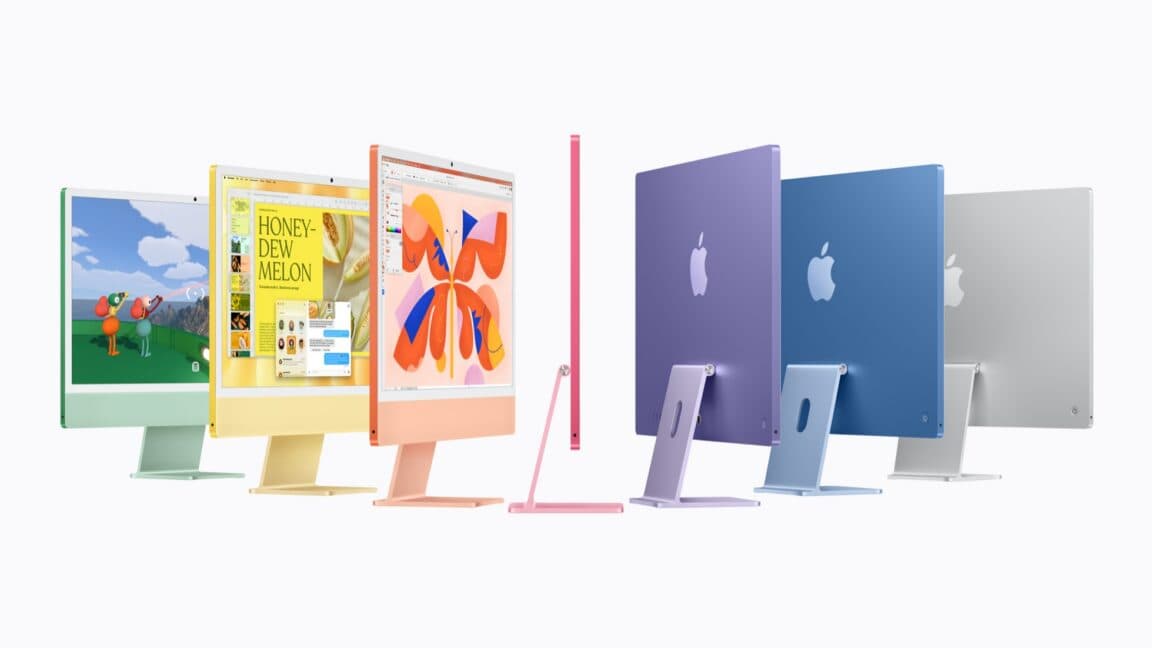
- The new iMac skips the M5 generation entirely, jumping straight from the M4 to the M6 chip.
- The M6 iMac is offered in two variants with differing port configurations, core counts, and maximum memory limits.
- The entry-level 14-inch MacBook Pro standardizes on a 12-core M6 chip supporting up to 32GB of RAM and 4TB of storage.
- On-device artificial intelligence capabilities see nearly a fivefold performance improvement.
Overview
The continuous evolution of consumer computing silicon has reached another milestone as Apple introduces its latest hardware refreshes. Both the iconic all-in-one desktop and the entry-level portable workstation are receiving major upgrades powered by the advanced M6 architecture. By bypassing an entire processor generation for the desktop line, these new machines bring high-efficiency processing and accelerated on-device intelligence directly to everyday users.
Architectural Configurations of the M6 iMac
The desktop all-in-one receives the most dramatic generational leap, leaping straight from the M4 architecture to the M6. To accommodate diverse user workflows, the platform is divided into distinct hardware tiers:
- Dual-Port Variant: Equipped with a 10-core central processing unit (CPU) and a 10-core graphics processing unit (GPU). This configuration supports up to 24 gigabytes of unified memory and caps internal solid-state storage at 1 terabyte.
- Quad-Port Variant: Upgrades the silicon to a robust 12-core CPU and 12-core GPU layout. Memory thresholds expand to a maximum of 32 gigabytes of unified memory, while storage options extend up to 2 terabytes.
This tiered design allows entry-level users to handle standard productivity workloads efficiently, while heavy creative workloads benefit from the expanded core counts and memory bandwidth of the higher-tier option.
The 14-Inch MacBook Pro Refresh
For mobile professionals seeking a balance of power and portability, the entry-level 14-inch portable workstation receives a streamlined integration of the M6 processor. Unlike its desktop counterpart, the mobile platform standardizes on a single, high-performance silicon tier featuring 12 CPU cores and 12 GPU cores.
While unified memory maxes out at 32 gigabytes—matching the upper tier of the desktop lineup—the portable chassis accommodates greater storage expansion, supporting up to 4 terabytes of high-speed solid-state storage. This makes the machine an ideal solution for developers and content creators who need massive local storage capacity without moving up to higher-cost Pro or Max chip variants.
Performance and On-Device AI Benchmarks
Transitioning from previous-generation chips to the M6 architecture unlocks substantial performance gains across multiple computational domains. Benchmarking data and official hardware metrics highlight several major improvements:
- CPU Speedups: General computational workflows see up to a 40 percent boost in processing speed compared to older configurations.
- Graphics Architecture: Visual rendering and GPU-accelerated tasks achieve up to double the performance, benefiting video editors, 3D artists, and casual gamers alike.
- Neural Engine Acceleration: On-device machine learning tasks experience nearly a fivefold performance increase, significantly accelerating local model inference, voice recognition, and intelligent operating system features.
System Architecture Conclusions
These updates demonstrate a clear strategy of standardizing high-end silicon capabilities across consumer product lines. By integrating powerful neural processing cores and scalable unified memory into entry-level form factors, hardware ecosystems are increasingly prepared to handle complex, local artificial intelligence tasks without relying heavily on cloud-based compute infrastructure.
Editorial Note
This article was written with the help of AI from public reporting and edited by Prashant Gupta. "Aidenza's Take" is AI-generated analysis, not a personal opinion. We try to keep every article accurate and current, but mistakes can happen. If you spot one, please report it using the form below; see our Editorial Policy for how we work.
Found an issue with this article?
We strive to keep our content accurate and up to date. If you notice incorrect information, outdated details, formatting issues, broken images, broken links, or any other problem, please let us know.
Frequently Asked Questions
What chips are powering the new iMac and MacBook Pro?
Both devices are powered by Apple's M6 chip, which brings substantial upgrades in CPU, GPU, and on-device AI performance.
How much RAM do the new M6 systems support?
The base iMac maxes out at 24GB of unified memory for the two-port model, while the four-port iMac and the 14-inch MacBook Pro support up to 32GB of RAM.
What performance gains can users expect from the M6 upgrade?
Users can expect up to 40 percent faster CPU performance, double the graphics performance, and nearly five times faster on-device AI processing compared to previous generations.
Related Intelligence

Avian Jet Lag Reveals Insights for Autonomous Systems
A two-decade tracking study reveals that Manx shearwaters experience a natural form of jet lag when flying across longitudes, subtly skewing their solar compass. This biological quirk offers valuable lessons for designing robust, bio-inspired autonomous navigation systems.
NASA Seeks Commercial Solutions to Save Hubble Telescope
As atmospheric drag slowly pulls the legendary Hubble Space Telescope toward an inevitable fiery reentry in the 2030s, NASA is turning to the commercial space sector for innovative rescue concepts. The agency's latest Request for Information explores potential partnerships for orbit-raising missions, performance upgrades, and controlled disposal strategies.

Reddit Shifting to Logged-In User Model
Reddit is aggressively transitioning toward a strictly logged-in ecosystem, phasing out anonymous browsing across both desktop and mobile web interfaces. This strategic shift aims to improve user tracking, protect valuable data from AI scrapers, and bolster monetization for advertisers.