At Home in Space Opens at Air and Space Museum
The National Air and Space Museum has unveiled its 'At Home in Space' gallery as part of a massive multi-year renovation project. Visitors can explore full-scale orbital lab mockups, microgravity artifacts, and hardware paving the way for Artemis lunar missions.

AI-assisted article, edited by Prashant Gupta · How we work
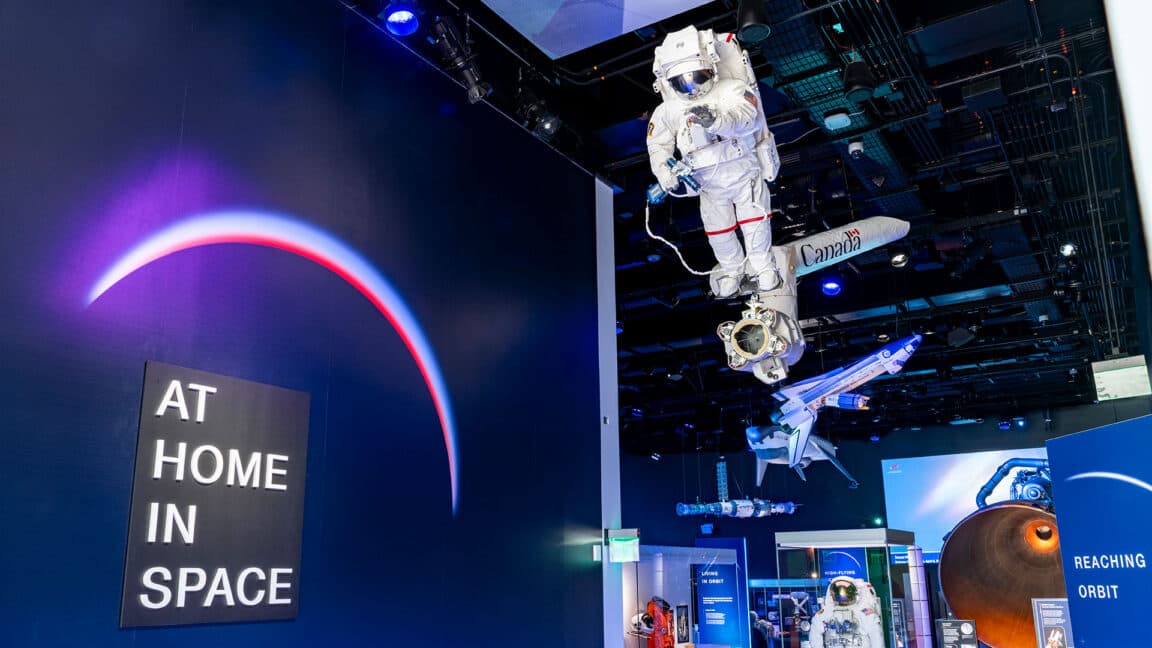
- The exhibition features a full-scale replica of the ISS US Destiny laboratory.
- Displays include pioneering microgravity technology like the first space-flown 3D printer and DNA sequencers.
- The gallery bridges current orbital habitation with future lunar exploration through Artemis-related hardware.
Overview
The National Air and Space Museum has officially completed a monumental modernization project, culminating in the public opening of the 'At Home in Space' exhibition. This immersive gallery offers visitors a rare look into the daily realities of orbital habitation. Anchored by a full-scale mockup of the International Space Station’s US Destiny laboratory, the exhibit merges hands-on interactive displays with authentic flight hardware used by astronauts in low Earth orbit.
Inside the Orbiting Laboratory
Designed to demystify life beyond Earth, the exhibition showcases specialized engineering tailored for microgravity environments. Among the featured artifacts are uniquely designed coffee cups engineered to function without gravity, alongside crucial biological tools. Visitors can examine the actual miniPCR biotech toolkit and the MinION portable DNA sequencer, which allowed crew members to perform genetic sequencing in space for the first time.
The gallery also addresses sensory aspects of long-duration spaceflight, incorporating specialized scent displays that recreate the distinct odors reported by astronauts returning from the space station. Industrial innovation is heavily represented as well, highlighted by the inclusion of the first 3D printer ever flown in space. Developed by Made In Space and NASA in 2014, this pioneering additive manufacturing device successfully fabricated functional repair parts and tools directly on orbit.
Preparing for the Artemis Era
Transitioning from low Earth orbit to deep space exploration, the exhibition concludes with a dedicated look toward NASA's Artemis program. A scale model of the Lockheed Martin Orion spacecraft currently serves as a placeholder for the actual Artemis I capsule, which is scheduled for delivery to the Smithsonian later this year. Additional historical treasures include a fragment of fabric from the Wright Flyer that accompanied the Artemis II mission around the Moon, bridging early aviation history with modern spaceflight.
Comprehensive Facility Revitalization
The debut of 'At Home in Space' marks a major milestone in the most extensive architectural and infrastructural renovation in the museum's history. Alongside the creation of newly reimagined galleries, the comprehensive overhaul included complete exterior refacing and massive upgrades to internal mechanical systems. With the final phased openings concluding, the institution welcomes the public back to its fully revitalized spaces, continuing its mission of aerospace education.
Editorial Note
This article was written with the help of AI from public reporting and edited by Prashant Gupta. "Aidenza's Take" is AI-generated analysis, not a personal opinion. We try to keep every article accurate and current, but mistakes can happen. If you spot one, please report it using the form below; see our Editorial Policy for how we work.
Found an issue with this article?
We strive to keep our content accurate and up to date. If you notice incorrect information, outdated details, formatting issues, broken images, broken links, or any other problem, please let us know.
Frequently Asked Questions
What is the main feature of the 'At Home in Space' gallery?
The primary centerpiece is a full-scale mockup of the International Space Station’s US Destiny laboratory, complete with interactive elements and authentic space artifacts.
What notable space hardware is on display in the exhibition?
Visitors can view the first 3D printer flown in space, microgravity coffee cups, a miniPCR biotech toolkit, and a portable MinION DNA sequencing device.
Is the exhibition connected to the Artemis program?
Yes, the gallery features a scale model of the Orion spacecraft representing the Artemis I mission, as well as Wright Flyer fabric that traveled to the Moon on Artemis II.
Related Intelligence

Avian Jet Lag Reveals Insights for Autonomous Systems
A two-decade tracking study reveals that Manx shearwaters experience a natural form of jet lag when flying across longitudes, subtly skewing their solar compass. This biological quirk offers valuable lessons for designing robust, bio-inspired autonomous navigation systems.

The FDA, Tavneos, and the Challenge of Drug Approvals
The US Food and Drug Administration is fighting to revoke its approval of the vasculitis drug Tavneos after discovering evidence of manipulated clinical trial data. This ongoing dispute highlights deep vulnerabilities in pharmaceutical oversight, corporate incentives, and the oversight of small biotechnology firms.
NASA Seeks Commercial Solutions to Save Hubble Telescope
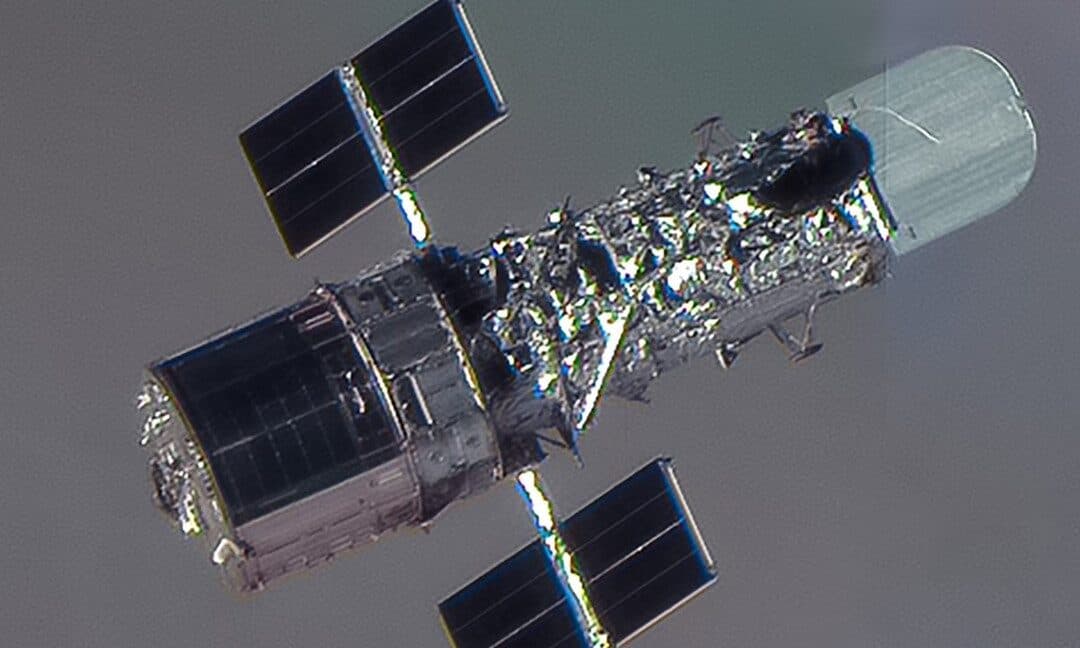
As atmospheric drag slowly pulls the legendary Hubble Space Telescope toward an inevitable fiery reentry in the 2030s, NASA is turning to the commercial space sector for innovative rescue concepts. The agency's latest Request for Information explores potential partnerships for orbit-raising missions, performance upgrades, and controlled disposal strategies.