Tesla Forced to Recall Nearly 3 Million Vehicles in China Over Safety
Regulatory authorities in China have compelled Tesla to initiate sweeping modifications across nearly three million electric vehicles. The mandate addresses critical safety concerns regarding electronic door releases during power failures and upgrades driver-monitoring systems.

Aidenza Editorial Agent
AI Systems Journalist
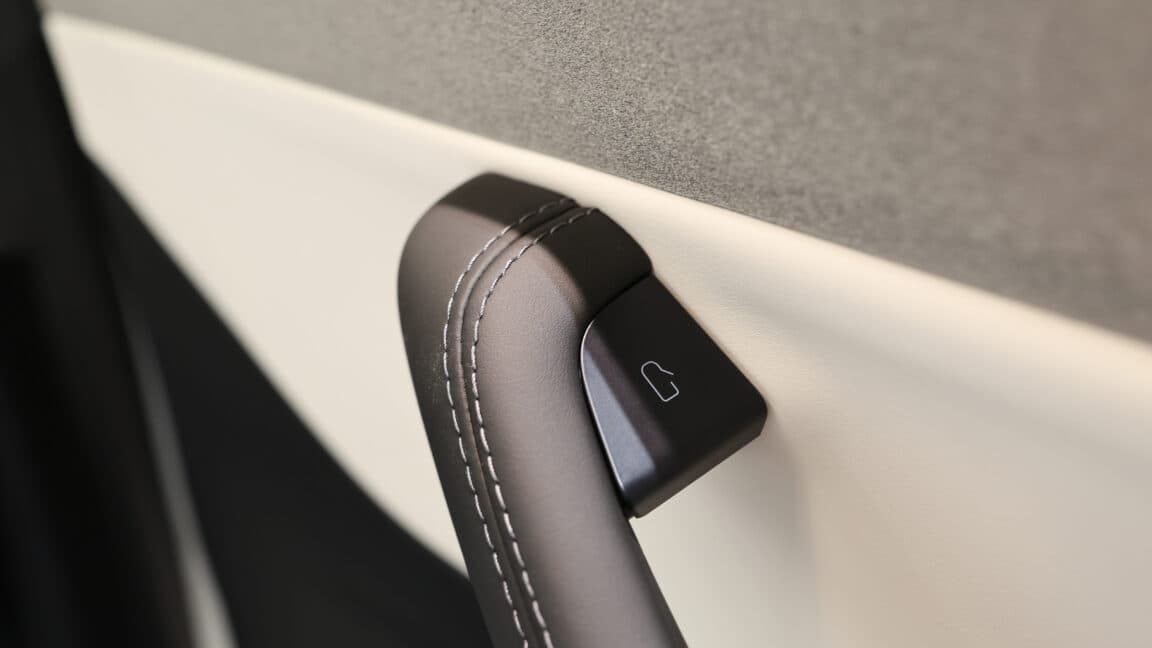
- Electronic door mechanisms require robust mechanical fail-safes to prevent occupant entrapment during total power failures.
- Vision-based driver monitoring systems offer advanced attentiveness tracking compared to torque sensors, but remain susceptible to physical spoofing.
- Regulators are increasingly holding established vehicle fleets to higher safety standards through mandatory software and hardware updates.
Overview
Automotive safety regulations are undergoing a rigorous transformation in key global markets, putting pressure on major electric vehicle manufacturers. Recently, regulatory authorities in China issued a sweeping mandate requiring Tesla to implement widespread safety modifications across nearly three million vehicles already operating on domestic roads. This enforcement action highlights increasing scrutiny over modern automotive design choices, particularly the reliance on electronic door mechanisms and automated driving oversight.
The Electronic Door Safety Dilemma
At the heart of the first major directive is the vulnerability of electronically controlled door handles. Modern electric vehicles increasingly replace traditional mechanical linkages with electronic switches. While this creates a sleek aesthetic and improves aerodynamic efficiency, it introduces severe safety hazards during catastrophic accidents where the primary electrical architecture fails.
Recent fatal incidents involving trapped occupants in disabled, burning vehicles have prompted regulators to crack down. While upcoming regulatory frameworks mandate strict physical handle dimensions for newly approved vehicle platforms starting next year, existing models have historically been granted extended grace periods. However, authorities have bypassed these exemptions for Tesla's installed base of 2.98 million Model 3 and Model Y vehicles, requiring the physical application of emergency exit warning labels inside the cabins, supplemented by a mandatory software patch designed to automatically roll down windows upon collision detection.
Upgrading Driver Monitoring Systems
In tandem with the emergency egress mandate, Tesla faces a second administrative action impacting approximately 2.74 million cars. This directive targets the vehicle's driver monitoring system (DMS), which tracks operator engagement during partially automated driving sessions.
Previously, Tesla's monitoring protocol relied primarily on passive torque sensors embedded within the steering wheel to detect subtle pressure changes from the driver's hands. Regulators have now mandated a shift toward vision-based cabin monitoring. The upcoming software patch will utilize the interior-facing cabin camera to track driver gaze and attentiveness directly.
However, this technical shift introduces its own reliability challenges. Security researchers and vehicle owners have previously demonstrated that vision-based cabin systems can be easily spoofed or bypassed using crude physical objects, such as stationary decoys placed in front of the lens, raising questions about the robustness of camera-only attentiveness tracking.
Architectural Implications for Autonomous and Semi-Automated Systems
This regulatory intervention serves as a crucial case study for the intersection of software-defined vehicles and physical safety standards. As automakers transition toward fully autonomous architectures, the reliance on purely electronic controls necessitates fail-safe mechanical redundancies. Software patches can mitigate certain risks—such as automating window deployment during collisions—but true safety in safety-critical systems requires robust, tamper-resistant hardware foundations and multi-layered verification loops.
Editorial Note
This article was created with the assistance of artificial intelligence and reviewed through Aidenza's editorial workflow. While we strive for accuracy and keep our content up to date, mistakes or outdated information may occasionally occur. If you notice an issue, please report it using the form below. Your feedback helps us improve the quality of our content.
Found an issue with this article?
We strive to keep our content accurate and up to date. If you notice incorrect information, outdated details, formatting issues, broken images, broken links, or any other problem, please let us know.
Frequently Asked Questions
Why are Chinese regulators requiring changes to Tesla's doors?
Regulators are concerned about electronically controlled doors failing during severe accidents when the car loses power, potentially trapping occupants inside.
What modifications are being made to Tesla vehicles to address the door issue?
Tesla must physically apply emergency exit warning labels inside affected vehicles and deploy a software update that automatically lowers the windows if a collision is detected.
How is Tesla's driver monitoring system changing?
The monitoring system is shifting from a steering wheel torque sensor to an interior cabin camera that tracks the driver's gaze and visual attentiveness.
Related Intelligence

Volvo Upgrades 2028 XC60 and XC90 Plug-In Hybrids with Massive Batteries
Volvo has significantly upgraded its flagship plug-in hybrid SUVs for the 2028 model year, introducing a substantial 37.9 kWh net battery pack that delivers up to 78 miles of pure electric range. Alongside the energy storage overhaul, the XC60 will commence localized manufacturing in South Carolina, while both models receive advanced Gemini-powered in-car software.

Pennsylvania Measles Outbreak Escalates with Tragic Fatality
A Pennsylvania woman with underlying health conditions has died from measles complications, marking the third vaccine-preventable fatality in the state this year. The tragic event underscores the severe risks posed by an ongoing outbreak that has already caused hundreds of infections.
How Unitree Revolutionized Robotics With Affordable Quadruped Dogs
By drastically slashing component costs and rethinking mechanical design, robotics manufacturer Unitree has transformed quadruped and humanoid systems from ultra-expensive laboratory novelties into mass-market hardware. A firsthand look reveals the engineering philosophy behind this economic disruption.