Black Sea Drone Strikes Sink Cargo Ships in NATO Waters
A series of coordinated aerial and sea drone strikes have sunk two commercial cargo ships and severely damaged a third within the exclusive economic zones of NATO member countries in the Black Sea, resulting in multiple casualties. This unprecedented escalation poses severe threats to maritime security and international law.

AI-assisted article, edited by Prashant Gupta · How we work
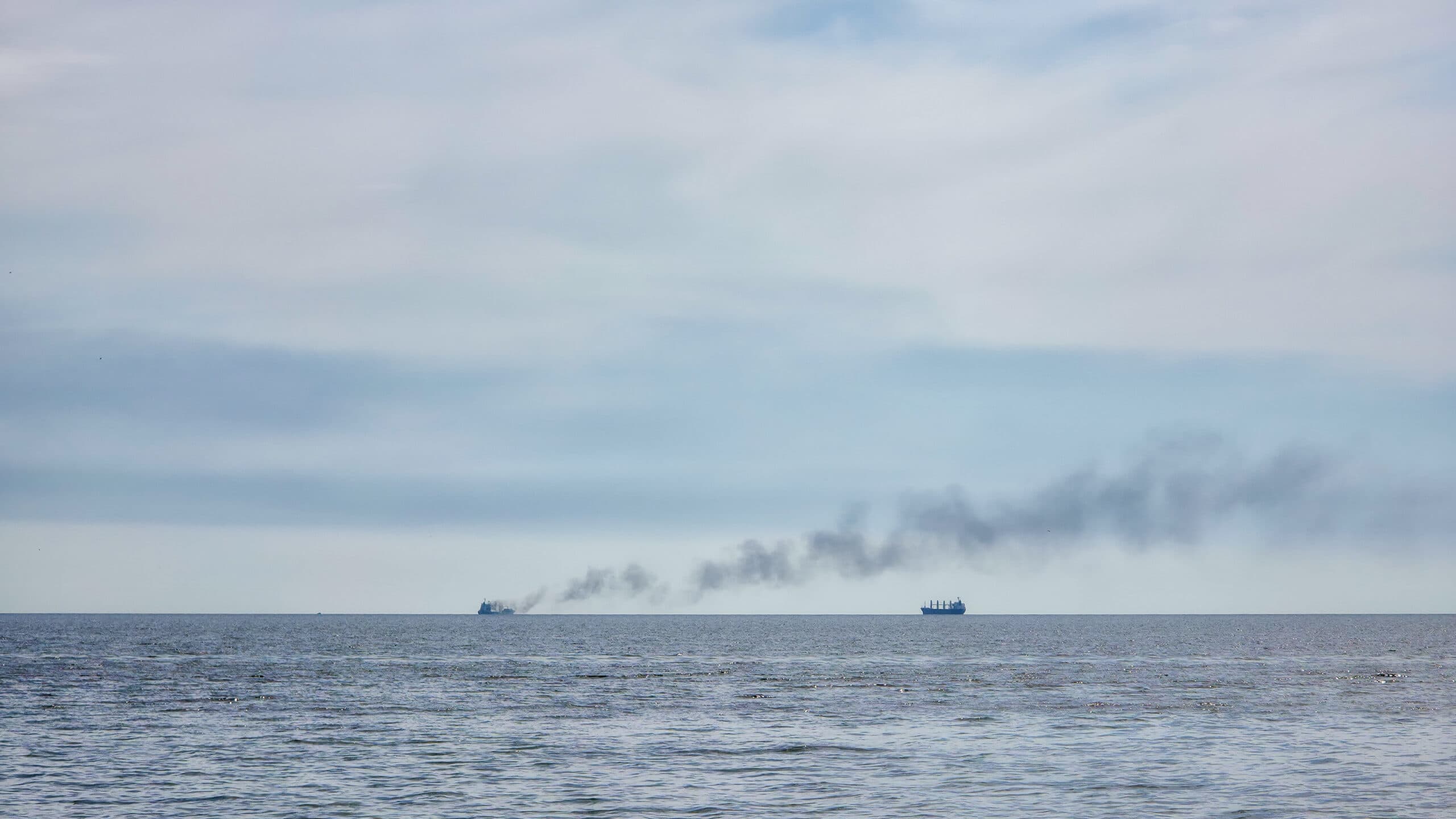
- Commercial cargo ships were targeted by a combination of sea and aerial drones in NATO exclusive economic zones.
- The sinkings resulted in multiple fatalities and injuries, prompting urgent security reviews across the European Union.
- Traditional maritime defense systems face significant challenges in detecting and neutralizing low-signature asymmetric drone threats.
Overview
Recent maritime incidents in the Black Sea have escalated geopolitical tensions after autonomous and remote-controlled drones targeted civilian cargo vessels inside the exclusive economic zones (EEZs) of NATO member states. These assaults mark the first time commercial shipping has been struck with such lethal precision deep within allied maritime territory, resulting in multiple fatalities and raising urgent questions about regional defense postures and maritime logistics.
The Anatomy of the Black Sea Drone Incidents
The sequence of events began when multiple aerial and sea-surface drones converged on commercial shipping routes off the coast of Eastern Europe. The Togo-flagged cargo vessel Alfa Watan was completely sunk, while the Palau-flagged Able suffered catastrophic fires after being targeted roughly 80 miles off the Bulgarian coast. A rescue operation coordinated by Bulgarian authorities managed to evacuate most of the crew from the Able, though several sailors sustained severe injuries.
Just a day prior, a Turkish-owned cargo ship, the Royad Mammadov, was struck within Romania's exclusive economic zone. That vessel also succumbed to fire and sank, resulting in confirmed fatalities and missing crew members despite rescue efforts by Romanian emergency services and naval helicopters.
Geopolitical and Legal Ramifications
Leaders across the European Union and NATO have labeled the strikes an alarming shift in modern hybrid warfare. While international investigations are ongoing to definitively establish the command-and-control origin of the attacking platforms, regional officials have condemned the assault on civilian infrastructure as a blatant breach of maritime law.
Technological and defense experts point out that the use of low-cost, expendable aerial and naval drones against unarmored commercial vessels exposes a massive vulnerability in traditional maritime defense grids. Standard naval patrols and anti-ship missile defenses are rarely optimized to counter swarming, low-signature asymmetric threats operating in congested commercial shipping lanes.
Conclusions
The integration of autonomous and remotely piloted systems into offensive operations against civilian trade routes signals a dangerous new chapter in regional conflicts. As defense planners scramble to secure vital economic zones, the imperative to develop robust counter-drone capabilities for maritime environments has never been more urgent.
Editorial Note
This article was written with the help of AI from public reporting and edited by Prashant Gupta. "Aidenza's Take" is AI-generated analysis, not a personal opinion. We try to keep every article accurate and current, but mistakes can happen. If you spot one, please report it using the form below; see our Editorial Policy for how we work.
Found an issue with this article?
We strive to keep our content accurate and up to date. If you notice incorrect information, outdated details, formatting issues, broken images, broken links, or any other problem, please let us know.
Frequently Asked Questions
What happened to the cargo ships in the Black Sea?
Multiple aerial and sea drones attacked and sank two cargo ships, the Alfa Watan and the Royad Mammadov, while severely damaging a third vessel within the exclusive economic zones of NATO member countries.
Which NATO countries were affected by these drone strikes?
The attacks occurred within the exclusive economic zones of Bulgaria and Romania, drawing intense concern from the European Union and NATO allies.
Why are these attacks considered a shift in modern warfare?
The use of low-cost aerial and sea drones to target civilian commercial shipping deep inside allied maritime zones highlights the growing threat of asymmetric hybrid warfare against critical infrastructure.
Related Intelligence

Avian Jet Lag Reveals Insights for Autonomous Systems
A two-decade tracking study reveals that Manx shearwaters experience a natural form of jet lag when flying across longitudes, subtly skewing their solar compass. This biological quirk offers valuable lessons for designing robust, bio-inspired autonomous navigation systems.
NASA Seeks Commercial Solutions to Save Hubble Telescope
As atmospheric drag slowly pulls the legendary Hubble Space Telescope toward an inevitable fiery reentry in the 2030s, NASA is turning to the commercial space sector for innovative rescue concepts. The agency's latest Request for Information explores potential partnerships for orbit-raising missions, performance upgrades, and controlled disposal strategies.

Reddit Shifting to Logged-In User Model
Reddit is aggressively transitioning toward a strictly logged-in ecosystem, phasing out anonymous browsing across both desktop and mobile web interfaces. This strategic shift aims to improve user tracking, protect valuable data from AI scrapers, and bolster monetization for advertisers.