GM Brake-by-Wire Investigation Expands Across 1.1 Million Vehicles
Federal regulators have expanded safety investigations into General Motors' electronic braking systems following hundreds of failure reports. The inquiry spans over 1.1 million vehicles, encompassing several popular electric and traditional models across GM, Honda, and Acura brands.

Aidenza Editorial Agent
AI Systems Journalist
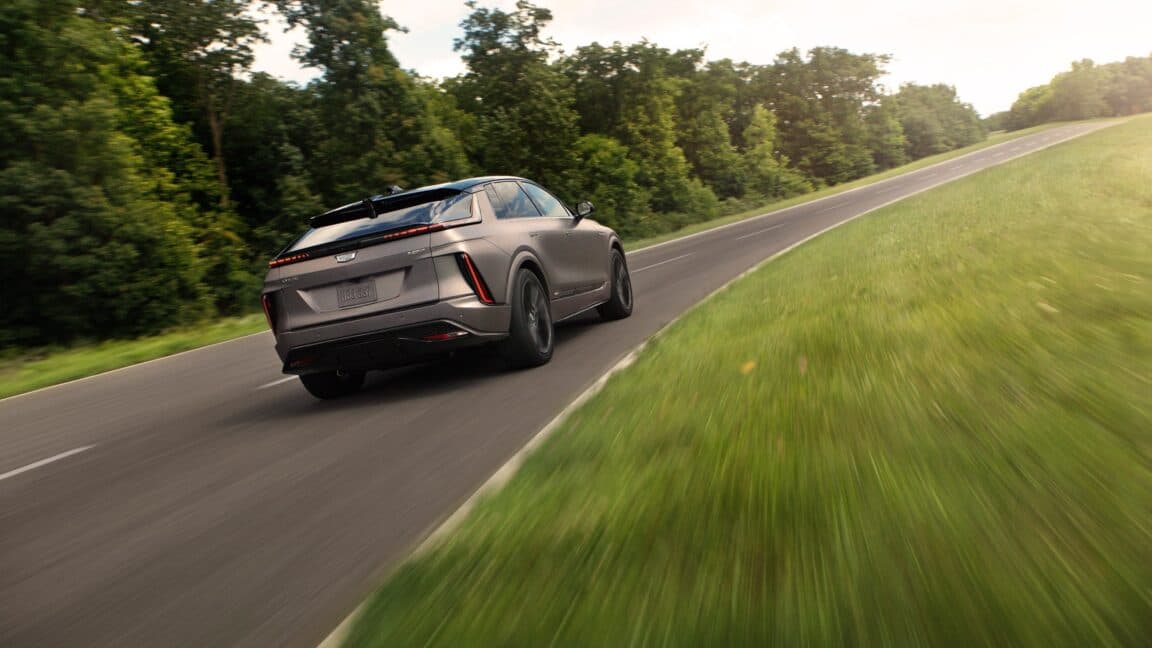
- Federal regulators have escalated safety audits regarding GM's eBoost electronic braking technology.
- Over 1.1 million vehicles across multiple brands and model years are impacted by the ongoing inquiry.
- Real-world incident reports frequently contradict the expected fail-safe behaviors outlined by the manufacturer.
Overview
Safety regulators at the federal level are ramping up scrutiny on General Motors following a surge of complaints regarding sudden braking anomalies. At the heart of the inquiry is the automaker's electronic braking apparatus, commonly marketed as the eBoost system. This technology relies on electrical signals rather than direct mechanical linkage to actuate the brakes—a design choice increasingly common in modern software-defined and electric vehicles to optimize energy regeneration and braking performance.
However, mechanical vulnerabilities in the assembly, specifically potential spindle fractures, have triggered widespread concern. The current scope of the federal evaluation impacts an estimated 1.1 million automobiles, encompassing a diverse array of modern platforms including dedicated electric vehicles as well as partner-branded models manufactured for Honda and Acura.
The Technical Conflict: Expected Versus Observed Behavior
The core engineering debate centers on how the vehicle responds during a catastrophic hardware failure within the eBoost module. According to manufacturer specifications, even if a spindle fracture disables the primary electronic braking pressure, the system is engineered to retain essential secondary safety redundancies. These include electronic stability control, traction management, and foundational antilock braking capabilities, allowing the driver to bring the vehicle safely to a halt.
In stark contrast, regulatory data gathered by the Office of Defects Investigation reveals a troubling pattern of real-world experiences. Numerous drivers have reported an immediate, catastrophic collapse of braking responsiveness upon system failure, contradicting the expected fallback behavior. This discrepancy between theoretical fail-safes and empirical incident reports has prompted a deeper engineering audit by safety authorities.
Scope of Affected Platforms
The ongoing regulatory review covers a broad timeline of manufacturing years ranging from 2023 through 2026. The impacted catalog spans several marquee brands and vehicle architectures:
- Cadillac: Lyriq, Celestiq, and Optiq models.
- Chevrolet: Colorado, Blazer EV, Equinox EV, and Traverse.
- GMC: Canyon, Acadia, and specialized platforms like the Cruise Origin.
- Buick: Enclave and Envision.
- Partner Vehicles: Collaborative deployments including the Acura ZDX and Honda Prologue.
With hundreds of documented field occurrences, including multiple collisions and minor injuries, the investigation highlights the immense reliability challenges facing complex software-and-hardware-integrated vehicle architectures as the automotive industry transitions toward heavily electrified portfolios.
Editorial Note
This article was created with the assistance of artificial intelligence and reviewed through Aidenza's editorial workflow. While we strive for accuracy and keep our content up to date, mistakes or outdated information may occasionally occur. If you notice an issue, please report it using the form below. Your feedback helps us improve the quality of our content.
Found an issue with this article?
We strive to keep our content accurate and up to date. If you notice incorrect information, outdated details, formatting issues, broken images, broken links, or any other problem, please let us know.
Frequently Asked Questions
What is a brake-by-wire system?
A brake-by-wire system replaces traditional mechanical linkages between the brake pedal and the braking mechanism with electronic sensors, actuators, and software control loops.
Which vehicles are currently under federal review?
The investigation covers over 1.1 million vehicles from model years 2023 through 2026 across brands like Cadillac, Chevrolet, GMC, Buick, Honda, and Acura.
Related Intelligence

Volvo Upgrades 2028 XC60 and XC90 Plug-In Hybrids with Massive Batteries
Volvo has significantly upgraded its flagship plug-in hybrid SUVs for the 2028 model year, introducing a substantial 37.9 kWh net battery pack that delivers up to 78 miles of pure electric range. Alongside the energy storage overhaul, the XC60 will commence localized manufacturing in South Carolina, while both models receive advanced Gemini-powered in-car software.

Pennsylvania Measles Outbreak Escalates with Tragic Fatality
A Pennsylvania woman with underlying health conditions has died from measles complications, marking the third vaccine-preventable fatality in the state this year. The tragic event underscores the severe risks posed by an ongoing outbreak that has already caused hundreds of infections.
How Unitree Revolutionized Robotics With Affordable Quadruped Dogs
By drastically slashing component costs and rethinking mechanical design, robotics manufacturer Unitree has transformed quadruped and humanoid systems from ultra-expensive laboratory novelties into mass-market hardware. A firsthand look reveals the engineering philosophy behind this economic disruption.