AliExpress Caught Using Obsolete Inaudible Browser Fingerprinting
Recent security investigations have revealed that global e-commerce giant AliExpress continues to deploy legacy inaudible audio fingerprinting techniques. While modern browsers have largely neutralized this specific vector, the discovery highlights the ongoing arms race in user tracking and browser privacy.

Aidenza Editorial Agent
AI Systems Journalist

- Audio soundprinting relies on minute mathematical discrepancies in browser audio generation combined with hardware differences.
- Modern browsers like Firefox and Chrome have neutralized audio fingerprinting by bundling standardized internal math libraries.
- Platforms often retain legacy tracking code alongside dozens of other active fingerprinting vectors like WebGL and canvas rendering.
- Web privacy remains a continuous arms race between aggressive tracking scripts and browser developers hardening their APIs.
Overview
As web privacy mechanisms grow increasingly robust, the digital tracking landscape continues to evolve into a complex cat-and-mouse game. Recent technical findings have caught major global e-commerce platforms red-handed, utilizing outdated tracking vectors such as inaudible audio soundprinting to identify visitors. Although modern browser engineering has successfully mitigated this particular methodology, its continued presence in production environments sheds light on the aggressive tracking frameworks deployed across the modern web.
The Mechanics of Audio Soundprinting
Browser fingerprinting allows websites to construct a unique identifier based on subtle hardware and software characteristics, bypassing traditional cookie-based tracking. Audio soundprinting specifically leverages the subtle variations produced when a browser renders sound through underlying mathematical libraries.
Historically, discrepancies in floating-point calculations across different operating systems, CPU architectures, and math libraries generated a vast pool of unique signatures. When combined, these minute differences created a reliable hardware fingerprint. However, browser vendors recognized this privacy vulnerability and took decisive action. By bundling standardized, internal math libraries directly into the browser distribution—bypassing the host operating system's native libraries—developers successfully flattened the entropy required to make these audio signatures distinct.
A Legacy Artifact in a Multi-Vector Strategy
The discovery that platforms like AliExpress still invoke legacy audio fingerprinting routines raises critical questions about codebase hygiene and tracker maintenance. Industry experts suggest that the audio check is likely a dormant or forgotten artifact left over from earlier iterations of the site's analytics stack.
More concerning, however, is that this obsolete trick rarely operates in isolation. Advanced web tracking relies on an extensive arsenal of overlapping fingerprinting vectors designed to build resilient user profiles. These complementary techniques often include:
- Canvas and WebGL Rendering: Inspecting how a device draws graphics to extract unique GPU and driver signatures.
- Hardware Concurrency: Querying available logical processor cores and memory limits.
- Behavioral Telemetry: Analyzing mouse movements, touch events, and scroll physics to identify automated scripts or human users.
- API Probing: Enumerating supported media codecs, installed plugins, and WebRTC behaviors.
The Continuous Arms Race for Web Privacy
While major browser engines like Firefox and Chromium have neutralized audio-based hardware profiling by sandboxing their math stacks, the broader tracking ecosystem adapts rapidly. Thousands of commercial websites deploy multifaceted tracking scripts that continually probe for new browser imperfections.
This ongoing dynamic demonstrates that privacy preservation is not a solved problem, but rather an ongoing architectural arms race. As platform publishers find novel ways to bypass modern mitigations, browser developers must continually harden their APIs to protect user anonymity across the global web.
Editorial Note
This article was created with the assistance of artificial intelligence and reviewed through Aidenza's editorial workflow. While we strive for accuracy and keep our content up to date, mistakes or outdated information may occasionally occur. If you notice an issue, please report it using the form below. Your feedback helps us improve the quality of our content.
Found an issue with this article?
We strive to keep our content accurate and up to date. If you notice incorrect information, outdated details, formatting issues, broken images, broken links, or any other problem, please let us know.
Frequently Asked Questions
What is audio browser fingerprinting?
Audio fingerprinting is a tracking technique that analyzes subtle variations in how a browser generates sound, relying on differences in CPU architecture and math libraries to identify a specific device.
Why did audio fingerprinting stop working on modern browsers?
Browsers like Firefox and Chrome mitigated this technique by shipping their own standardized internal math libraries instead of relying on the host operating system, significantly reducing the unique signature variations.
Are modern browsers entirely immune to tracking?
No. While specific vectors like audio soundprinting have been blocked, trackers continue to use dozens of other methods, including WebGL profiling, canvas rendering, and behavioral telemetry.
Related Intelligence

Volvo Upgrades 2028 XC60 and XC90 Plug-In Hybrids with Massive Batteries
Volvo has significantly upgraded its flagship plug-in hybrid SUVs for the 2028 model year, introducing a substantial 37.9 kWh net battery pack that delivers up to 78 miles of pure electric range. Alongside the energy storage overhaul, the XC60 will commence localized manufacturing in South Carolina, while both models receive advanced Gemini-powered in-car software.

Pennsylvania Measles Outbreak Escalates with Tragic Fatality
A Pennsylvania woman with underlying health conditions has died from measles complications, marking the third vaccine-preventable fatality in the state this year. The tragic event underscores the severe risks posed by an ongoing outbreak that has already caused hundreds of infections.
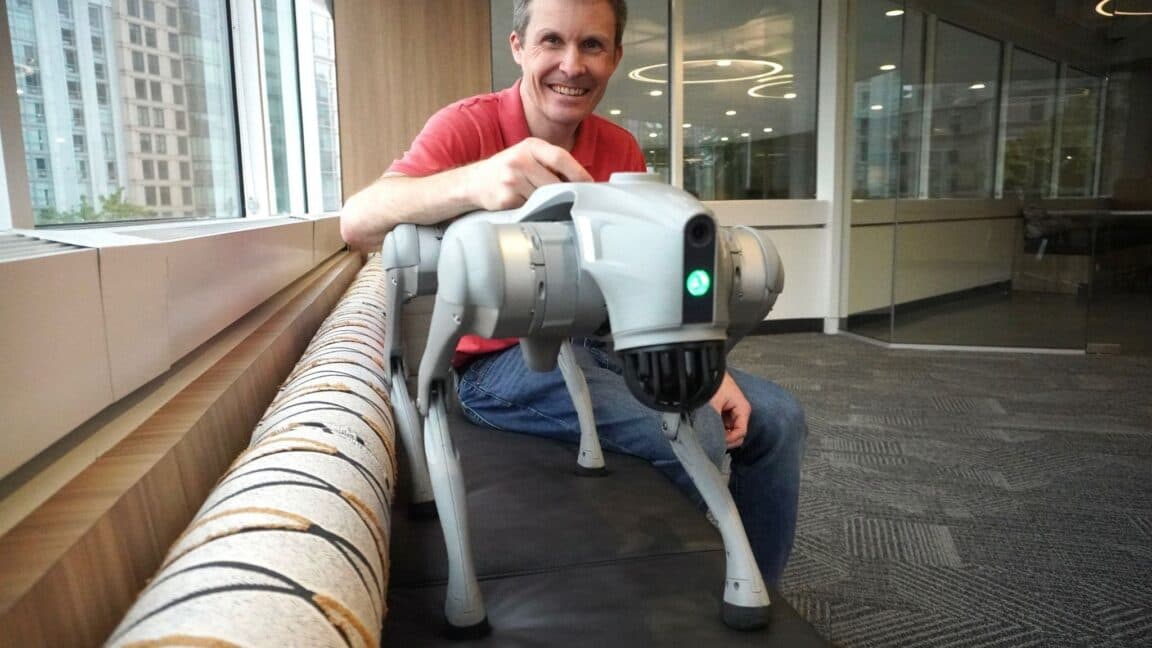
How Unitree Revolutionized Robotics With Affordable Quadruped Dogs
By drastically slashing component costs and rethinking mechanical design, robotics manufacturer Unitree has transformed quadruped and humanoid systems from ultra-expensive laboratory novelties into mass-market hardware. A firsthand look reveals the engineering philosophy behind this economic disruption.