Nintendo ROM Supplier Exit Raises Cartridge Costs
A major silicon supplier for Nintendo's game cartridges is stepping away from ROM chip manufacturing. The resulting supply chain consolidation could drive up physical media production costs and accelerate the industry's shift toward digital software distribution.

AI-assisted article, edited by Prashant Gupta · How we work
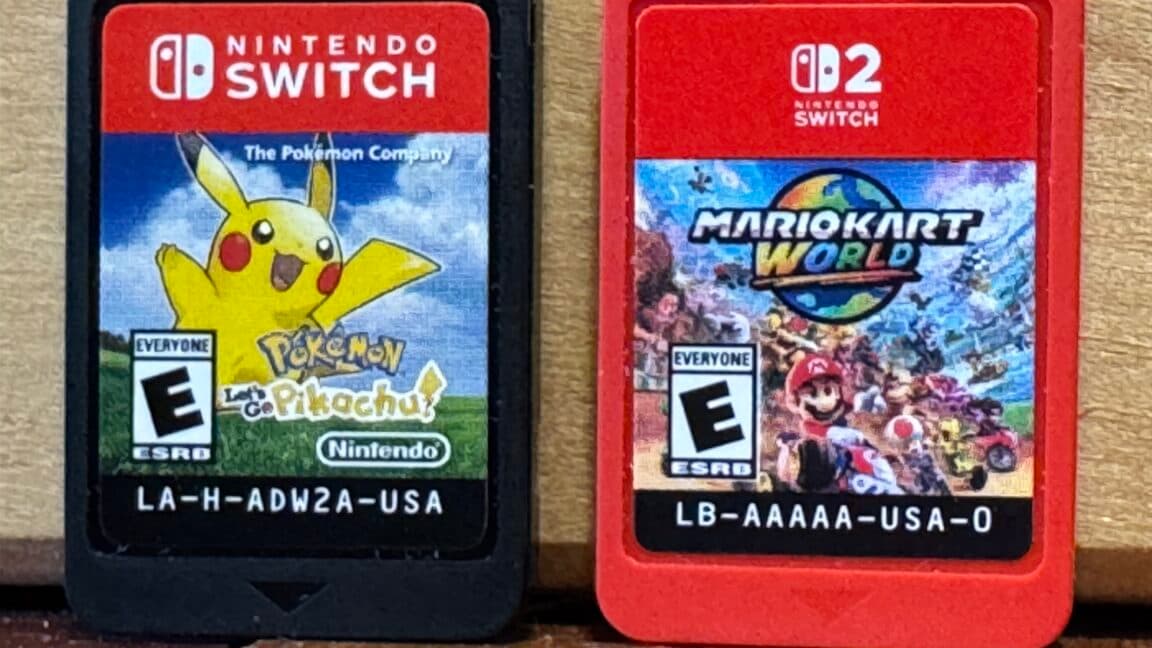
- Supply chain consolidation in specialized ROM chip manufacturing is raising component costs for physical game cartridges.
- Nintendo relies on remaining vendors like Rohm and Lapis Semiconductor, reducing pricing leverage for physical media production.
- Higher manufacturing costs are driving price gaps between physical retail titles and digital software downloads.
Overview
The physical media supply chain for console gaming is facing renewed structural pressure following the departure of a primary read-only memory (ROM) semiconductor supplier. While major platform holders have increasingly prioritized digital distribution networks, physical game cartridges remain a core revenue driver and brand pillar for Nintendo. The exit of a key chip partner forces reliance on a smaller secondary vendor ecosystem, introducing immediate cost friction into physical cartridge production.
Supply Chain Consolidation and ROM Economics
Unlike traditional disc-based media or standard commodity flash storage, console game cartridges utilize specialized solid-state ROM chips engineered for rapid data access and long-term durability. Manufacturing these dedicated microchips requires specialized semiconductor fabrication lines that fewer foundries are willing to maintain as broader industries standardize on high-density NAND flash.
With legacy producers scaling back or exiting the market entirely, remaining vendors such as Rohm and Lapis Semiconductor absorb the remaining production demand. The concentration of fabrication responsibilities among fewer entities reduces purchasing leverage for publishers, elevating the bill-of-materials (BOM) cost for physical cartridges across various storage tiers.
Impact on Retail Pricing and Physical Media
Elevated component expenses create distinct operational challenges for platform owners and third-party publishers aiming to preserve profit margins on physical releases:
- Pricing Discrepancies: Physical game releases are increasingly listed at higher price points than equivalent digital downloads to account for elevated assembly costs.
- Storage Optimization: Publishers are leveraging smaller capacity ROM cartridges combined with post-launch digital downloads to mitigate per-unit manufacturing expenses.
- Publisher Thresholds: Smaller studios face higher minimum order economics, forcing tighter scrutiny on whether physical print runs remain financially viable.
The Accelerating Shift Toward Digital
This supply chain tightening aligns with an ongoing transition in consumer purchasing behavior. Digital software downloads now constitute the majority of total game sales volume for Nintendo platform software. While higher digital adoption may eventually cushion the impact of rising hardware costs by reducing total cartridge demand, the short-term result will likely manifest as premium pricing for physical media enthusiasts.
Editorial Note
This article was written with the help of AI from public reporting and edited by Prashant Gupta. "Aidenza's Take" is AI-generated analysis, not a personal opinion. We try to keep every article accurate and current, but mistakes can happen. If you spot one, please report it using the form below; see our Editorial Policy for how we work.
Found an issue with this article?
We strive to keep our content accurate and up to date. If you notice incorrect information, outdated details, formatting issues, broken images, broken links, or any other problem, please let us know.
Frequently Asked Questions
Why are physical Nintendo Switch cartridges becoming more expensive to make?
Primary ROM semiconductor vendors are exiting the business, reducing competition and concentrating chip production among fewer suppliers like Rohm and Lapis Semiconductor, which raises per-unit manufacturing costs.
Is Nintendo abandoning physical game cartridges?
No. Nintendo has stated it has no immediate plans to abandon physical cartridge media, though elevated production costs may lead to higher retail prices for physical editions compared to digital downloads.
How are publishers adapting to higher cartridge costs?
Publishers are utilizing smaller capacity ROM chips, requiring supplementary digital downloads, or charging higher prices for physical releases to protect profitability.
Related Intelligence

California Fights Federal Net Neutrality Mandate for BEAD
California has formally accepted $1.42 billion in federal broadband infrastructure grants while explicitly refusing to comply with a Trump administration mandate to scrap state net neutrality laws. The move sets the stage for a high-stakes legal showdown over state regulatory authority versus federal conditions.

At Home in Space Opens at Air and Space Museum
The National Air and Space Museum has unveiled its 'At Home in Space' gallery as part of a massive multi-year renovation project. Visitors can explore full-scale orbital lab mockups, microgravity artifacts, and hardware paving the way for Artemis lunar missions.

Avian Jet Lag Reveals Insights for Autonomous Systems
A two-decade tracking study reveals that Manx shearwaters experience a natural form of jet lag when flying across longitudes, subtly skewing their solar compass. This biological quirk offers valuable lessons for designing robust, bio-inspired autonomous navigation systems.