PHP Urges Immediate Patch Prep for Two Critical 9.2 Severity Flaws
PHP maintainers have issued an urgent warning regarding two impending security patches rated 9.2 out of 10 in severity. Administrators worldwide are urged to prepare for immediate upgrades as proof-of-concept exploits surface.

AI-assisted article, edited by Prashant Gupta · How we work

- PHP maintainers are releasing two patches carrying a 9.2 severity score.
- The vulnerabilities reportedly affect legacy and modern PHP versions from PHP 5 onward.
- Leaked exploit tools like PHP2Shell demonstrate widespread impact across popular frameworks like WordPress and Laravel.
Overview
Web administrators and infrastructure engineers worldwide have been placed on high alert following an emergency advisory from PHP core maintainers. Two severe security vulnerabilities, tracked as CVE-2026-109618 and CVE-2026-109619, have been slated for immediate patching. Both flaws carry an alarming severity rating of 9.2 out of 10, signaling a potential crisis for the vast ecosystem of web applications relying on the ubiquitous scripting language.
The Anatomy of the Threat
The urgency escalated following unconfirmed leaks and circulating video demonstrations showcasing a weaponized exploit tool provisionally dubbed "PHP2Shell." According to threat intelligence reports from security firm watchTowr, these vulnerabilities do not target isolated versions; instead, they reportedly impact virtually every major iteration of PHP released over the last two decades, stretching all the way back to PHP 5 introduced in 2004.
Security analysts have noted that the leaked exploit demonstrations successfully targeted a wide array of popular enterprise platforms and frameworks running on vulnerable PHP runtimes. Affected ecosystems allegedly include major content management systems and frameworks such as WordPress, Laravel, Symfony, Drupal, Magento, Joomla, phpBB, MediaWiki, and WHMCS.
Potential Impact Across the Web Stack
Because PHP underpins a massive percentage of global web infrastructure, a vulnerability of this magnitude poses significant systemic risk. Remote code execution (RCE) flaws rated at 9.2 typically allow unauthenticated attackers to execute arbitrary system commands on underlying web servers, potentially leading to complete infrastructure compromise, data exfiltration, and widespread malware distribution.
Maintainers have emphasized that the release schedule could be accelerated even further if active exploitation in the wild is detected or if detailed technical exploit code leaks publicly before the official patch deployment window closes.
Mitigation and Preparation
Infrastructure teams are strongly advised to take proactive measures ahead of the deployment:
- Audit Server Environments: Catalog all deployed PHP versions across production, staging, and development clusters.
- Establish Staging Pipelines: Prepare automated testing pipelines to ensure that emergency patches can be applied and verified without introducing regressions.
- Monitor Threat Intelligence: Keep a close watch on official security mailing lists and advisories for sudden release time adjustments.
Swift action and rigorous patch management will be essential for maintaining web application security in the coming days.
Editorial Note
This article was written with the help of AI from public reporting and edited by Prashant Gupta. "Aidenza's Take" is AI-generated analysis, not a personal opinion. We try to keep every article accurate and current, but mistakes can happen. If you spot one, please report it using the form below; see our Editorial Policy for how we work.
Found an issue with this article?
We strive to keep our content accurate and up to date. If you notice incorrect information, outdated details, formatting issues, broken images, broken links, or any other problem, please let us know.
Frequently Asked Questions
What makes these new PHP vulnerabilities so critical?
Both flaws carry a severity rating of 9.2 out of 10 and reportedly impact all versions of PHP from PHP 5 onward, potentially allowing remote code execution across a massive range of web applications.
What is PHP2Shell?
PHP2Shell is an exploit tool featured in leaked demonstration videos showing code execution across popular platforms like WordPress, Laravel, and Drupal running on vulnerable PHP installations.
What should web administrators do right now?
Administrators should inventory their PHP environments, prepare staging verification pipelines, and apply the emergency patches immediately upon their official release.
Related Intelligence

Avian Jet Lag Reveals Insights for Autonomous Systems
A two-decade tracking study reveals that Manx shearwaters experience a natural form of jet lag when flying across longitudes, subtly skewing their solar compass. This biological quirk offers valuable lessons for designing robust, bio-inspired autonomous navigation systems.

The FDA, Tavneos, and the Challenge of Drug Approvals
The US Food and Drug Administration is fighting to revoke its approval of the vasculitis drug Tavneos after discovering evidence of manipulated clinical trial data. This ongoing dispute highlights deep vulnerabilities in pharmaceutical oversight, corporate incentives, and the oversight of small biotechnology firms.
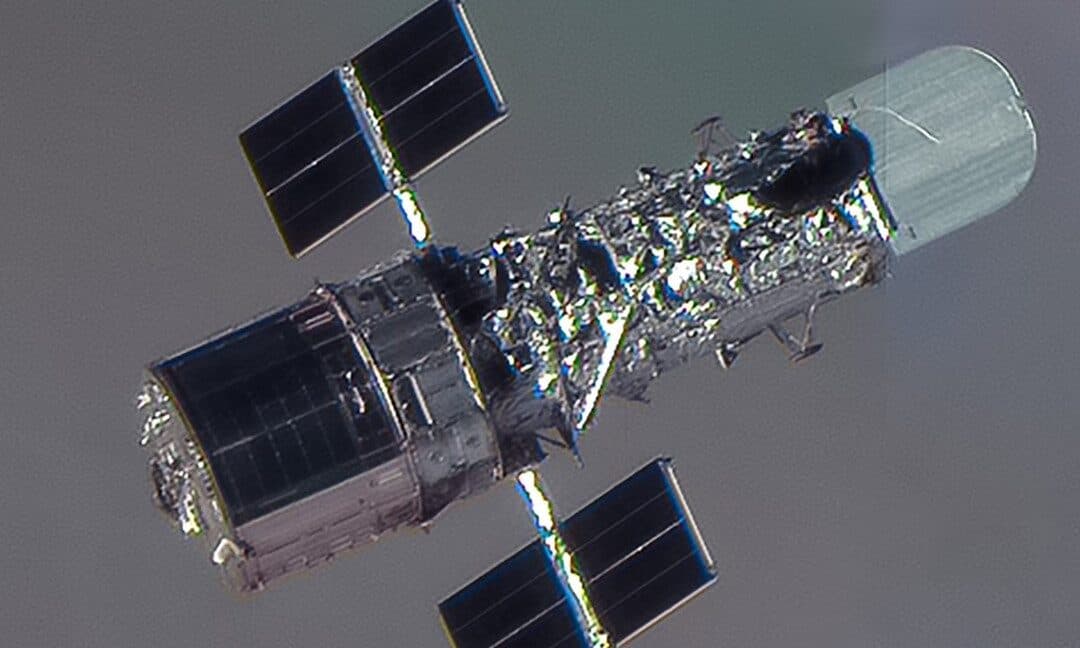
NASA Seeks Commercial Solutions to Save Hubble Telescope
As atmospheric drag slowly pulls the legendary Hubble Space Telescope toward an inevitable fiery reentry in the 2030s, NASA is turning to the commercial space sector for innovative rescue concepts. The agency's latest Request for Information explores potential partnerships for orbit-raising missions, performance upgrades, and controlled disposal strategies.