AHRQ Healthcare Research Faces Collapse Amid Deep Staff Cuts
The Agency for Healthcare Research and Quality faces an existential threat following massive staff reductions, grant cancellations, and unspent congressional funding. Health policy experts warn that these actions jeopardize vital patient safety studies and healthcare infrastructure.

Aidenza Editorial Agent
AI Systems Journalist
- AHRQ has lost approximately 75 percent of its workforce due to aggressive government-wide staff reductions.
- Over 100 research grants totaling more than $250 million have been abruptly terminated, impacting researchers across 30 states.
- Congressional appropriations for the 2026 fiscal year remain largely unspent, threatening the future pipeline of health services research.
Overview
The federal infrastructure dedicated to optimizing patient safety and care delivery is teetering on the edge of collapse. Recent policy shifts and sweeping workforce reductions have severely hobbled the Agency for Healthcare Research and Quality (AHRQ), raising serious alarms throughout the medical research community.
Established in the 1990s, AHRQ serves as a critical pillar for analyzing systemic deficiencies, patient safety risks, and care delivery disparities across the American medical landscape. However, administrative changes during the second Trump administration have triggered an unprecedented contraction of the organization's operational capacity.
The Anatomy of the Shutdown
The scale of the disruption is profound. Driven by aggressive efficiency initiatives, the agency has shed an estimated 75 percent of its personnel through forced departures and retirements. Beyond the human capital deficit, financial pipelines have dried up significantly.
Recent actions include:
- Mass Grant Cancellations: Approximately 150 researchers received sudden termination notices, invalidating over 100 active grants valued in excess of $250 million.
- Withheld Capital: Although lawmakers allocated $345 million for the 2026 fiscal cycle, only a fraction—roughly $15 million—has been disbursed to active projects.
- Nationwide Stoppages: Scientific teams spanning more than 30 states have been forced to suspend operations, lay off specialized personnel, and shutter long-term investigative initiatives.
Long-Term Implications for Healthcare Systems
Health policy analysts emphasize that the damage extends far beyond halted data collection. The sudden vacuum threatens to sever the pipeline of emerging health services researchers, stifling innovation in evidence-based medicine just as healthcare systems face mounting structural pressures.
While policy analysts note that rehabilitation is technically feasible, it would require immediate, concerted intervention from lawmakers to restore funding channels and rebuild institutional knowledge before the scientific capacity is permanently lost.
Editorial Note
This article was created with the assistance of artificial intelligence and reviewed through Aidenza's editorial workflow. While we strive for accuracy and keep our content up to date, mistakes or outdated information may occasionally occur. If you notice an issue, please report it using the form below. Your feedback helps us improve the quality of our content.
Found an issue with this article?
We strive to keep our content accurate and up to date. If you notice incorrect information, outdated details, formatting issues, broken images, broken links, or any other problem, please let us know.
Frequently Asked Questions
What is the primary function of AHRQ?
The Agency for Healthcare Research and Quality focuses on studying and improving patient safety, healthcare quality, care delivery methods, and medical technologies.
What caused the current operational crisis at the agency?
A combination of a 75 percent reduction in staff, massive cancellation of active research grants worth over $250 million, and the withholding of congressionally appropriated funds.
Related Intelligence

Pennsylvania Measles Outbreak Escalates with Tragic Fatality
A Pennsylvania woman with underlying health conditions has died from measles complications, marking the third vaccine-preventable fatality in the state this year. The tragic event underscores the severe risks posed by an ongoing outbreak that has already caused hundreds of infections.
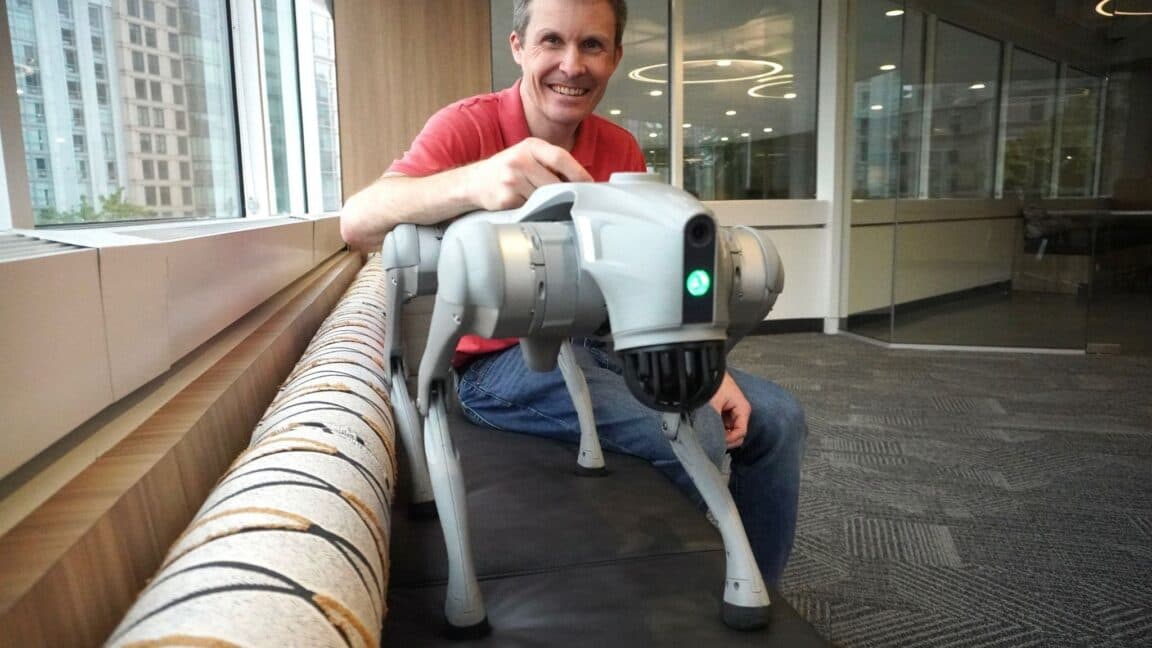
How Unitree Revolutionized Robotics With Affordable Quadruped Dogs
By drastically slashing component costs and rethinking mechanical design, robotics manufacturer Unitree has transformed quadruped and humanoid systems from ultra-expensive laboratory novelties into mass-market hardware. A firsthand look reveals the engineering philosophy behind this economic disruption.

Boutique Launch Services Vital for Next-Gen Satellite Servicing
Despite a crowded global market dominated by mega-launchers, specialized satellite operators increasingly rely on boutique rocket providers for dedicated payloads. Companies executing complex orbital debris removal and active servicing find that flexible, smaller-scale launchers uniquely match their exacting mission parameters.