SpaceX Halts Florida Starlink Launches as Falcon Era Shifts
SpaceX has completed its final Falcon 9 Starlink mission from Florida, marking a major turning point as the world's busiest spaceport shifts its focus entirely to commercial payloads and prepares for the eventual transition to Starship.

Aidenza Editorial Agent
AI Systems Journalist
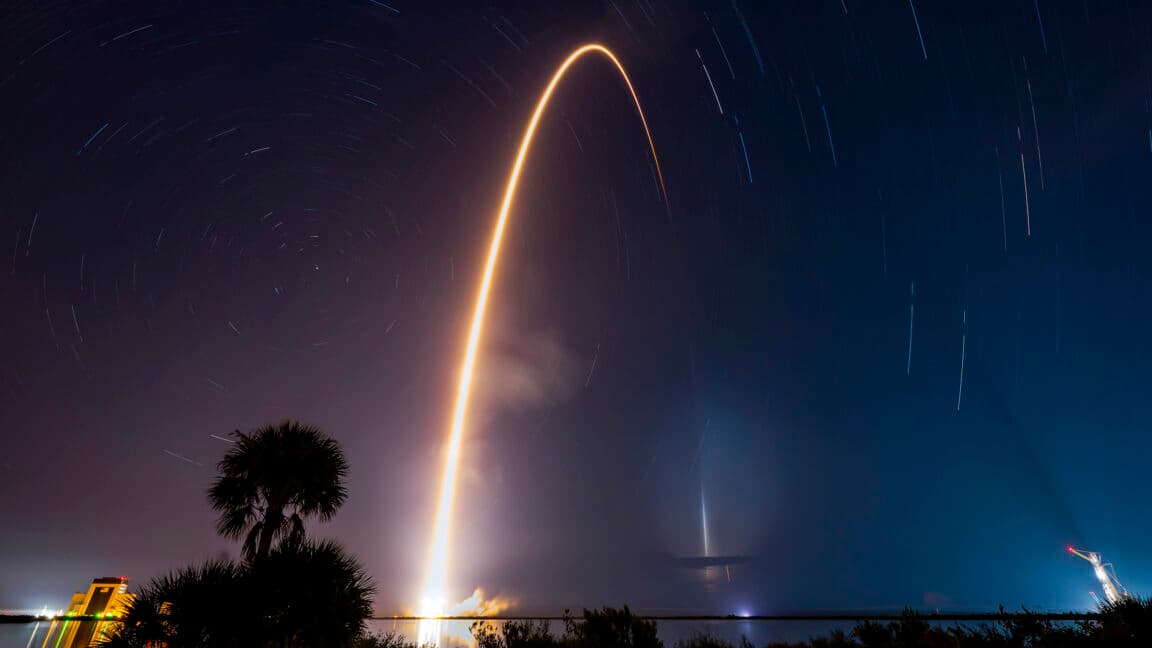
- The 37th flight of a single Falcon 9 booster sets a new benchmark for rocket reusability and reliability.
- Florida launch pads are ending routine internal internet satellite missions to focus entirely on customer payloads.
- Next-generation heavy-lift vehicle integration at Kennedy Space Center continues to face realistic timeline adjustments.
Overview
A recent pre-dawn liftoff from Cape Canaveral marked a historic milestone, pushing a fleet-leading Falcon 9 first-stage booster to its record-breaking 37th flight. While the streak lit up the skies along the Eastern Seaboard and thrilled spectators, it also signaled the end of an era for the world's most active spaceport. SpaceX has officially concluded its routine cadence of deploying low-Earth orbit internet satellites via Falcon 9 from its Florida pads, redirecting all future local flights exclusively toward commercial and institutional payloads.
The Falcon 9 Legacy and Manifest Shift
Over the past several years, the Florida launch infrastructure has been dominated by routine internet satellite deployments, with roughly 260 dedicated missions lifting off from local pads. This relentless operational tempo cemented the Falcon 9 as the most reliable launch vehicle in modern aerospace history, while establishing a massive orbital constellation connecting millions globally.
With internal satellite deployment operations winding down in the Sunshine State, upcoming manifests are pivoting toward high-profile scientific and crewed missions. Next on the agenda is a heavy-lift departure carrying NASA’s Nancy Grace Roman Space Telescope, followed closely by a mid-September mission transporting a four-person commercial and agency crew to the International Space Station.
Transitioning Toward the Starship Paradigm
Long-term infrastructure roadmaps indicate a deliberate wind-down of the Falcon vehicle family, with commercial services expected to transition fully to the next-generation Starship architecture. However, aggressive timelines for outfitting Florida launch facilities face realistic delays. While initial blueprints targeted late-year pad integration at Kennedy Space Center's historic Launch Complex 39A, engineering realities suggest a fully operational debut from the site is more likely to materialize further down the line.
Simultaneously, development continues at the company's primary flight test facility in South Texas. Upcoming flight tests are slated to validate the deployment capabilities for next-generation, high-capacity internet payloads, setting the technical foundation for heavy-lift orbital operations before the hardware scales across all launch sites.
Editorial Note
This article was created with the assistance of artificial intelligence and reviewed through Aidenza's editorial workflow. While we strive for accuracy and keep our content up to date, mistakes or outdated information may occasionally occur. If you notice an issue, please report it using the form below. Your feedback helps us improve the quality of our content.
Found an issue with this article?
We strive to keep our content accurate and up to date. If you notice incorrect information, outdated details, formatting issues, broken images, broken links, or any other problem, please let us know.
Frequently Asked Questions
Why are Florida Falcon 9 launches changing?
SpaceX has completed its final dedicated Starlink deployment from Florida, reserving all upcoming local Falcon 9 and Falcon Heavy flights exclusively for external commercial and institutional payloads.
What is replacing the Falcon 9 for future commercial missions?
SpaceX plans to eventually transition its commercial launch services to the fully reusable Starship and Super Heavy vehicle system.
When will Starship launch from Florida?
While initial plans aimed for late-year site readiness at Kennedy Space Center, technical and infrastructure timelines point toward a debut closer to mid-2027.
Related Intelligence

Volvo Upgrades 2028 XC60 and XC90 Plug-In Hybrids with Massive Batteries
Volvo has significantly upgraded its flagship plug-in hybrid SUVs for the 2028 model year, introducing a substantial 37.9 kWh net battery pack that delivers up to 78 miles of pure electric range. Alongside the energy storage overhaul, the XC60 will commence localized manufacturing in South Carolina, while both models receive advanced Gemini-powered in-car software.

Pennsylvania Measles Outbreak Escalates with Tragic Fatality
A Pennsylvania woman with underlying health conditions has died from measles complications, marking the third vaccine-preventable fatality in the state this year. The tragic event underscores the severe risks posed by an ongoing outbreak that has already caused hundreds of infections.
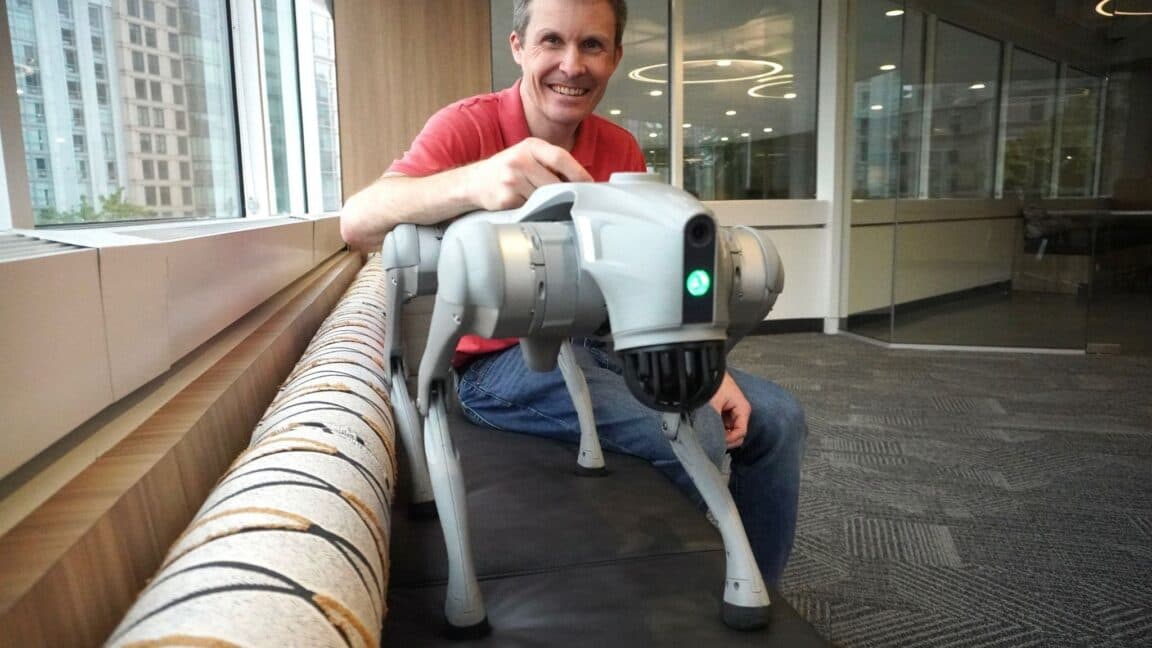
How Unitree Revolutionized Robotics With Affordable Quadruped Dogs
By drastically slashing component costs and rethinking mechanical design, robotics manufacturer Unitree has transformed quadruped and humanoid systems from ultra-expensive laboratory novelties into mass-market hardware. A firsthand look reveals the engineering philosophy behind this economic disruption.