ULA Vulcan Rocket Return to Flight Set for November
United Launch Alliance is scheduled to return its flagship Vulcan rocket to service following a nine-month grounding caused by a booster anomaly. The upcoming mission will carry 40 satellites for Amazon's broadband constellation from Cape Canaveral.

AI-assisted article, edited by Prashant Gupta · How we work
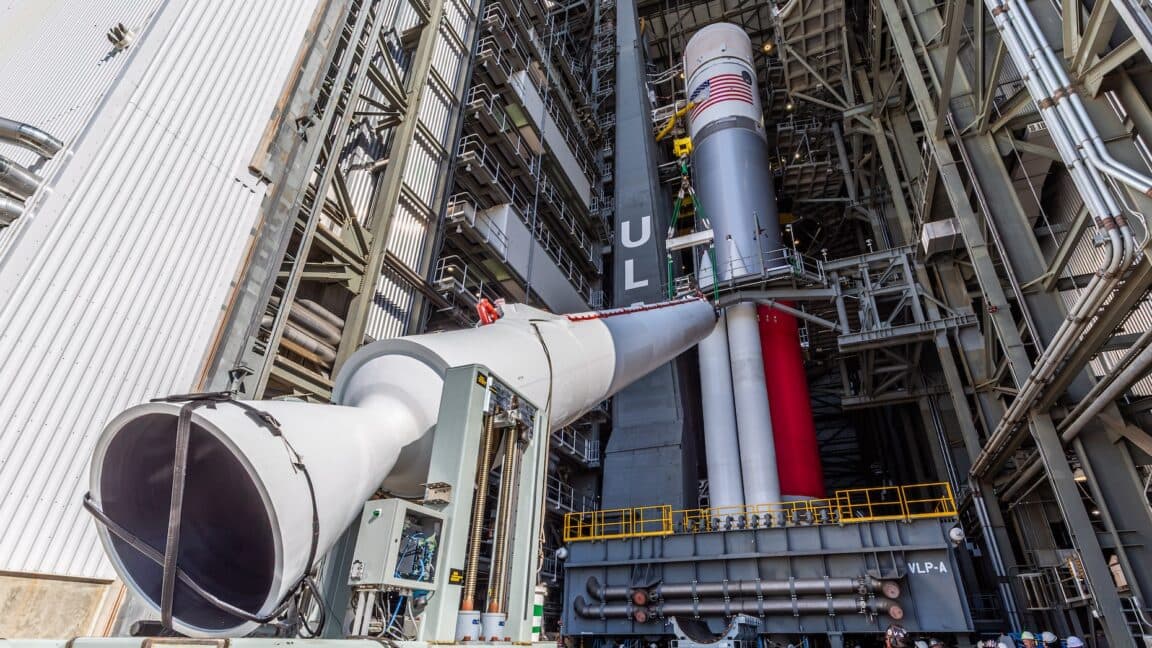
- ULA is targeting a November 13 return-to-flight window for the Vulcan rocket following a nine-month operational hiatus.
- Engineers have deployed redesigned booster nozzles incorporating structural mitigations based on failure analysis from earlier flights.
- The mission will deploy 40 satellites for Amazon's LEO broadband constellation from Cape Canaveral.
Overview
United Launch Alliance (ULA) is preparing for the highly anticipated return-to-flight mission of its Vulcan rocket, scheduled for November 13. This milestone comes nine months after an unexpected solid rocket booster anomaly forced the company to halt operations and reevaluate its upcoming launch schedule. The upcoming flight carries immense strategic weight, not only for ULA's commercial partnerships but also for its defense commitments with the United States Space Force.
The initial return-to-flight payload will consist of 40 satellites designated for Amazon's Low Earth Orbit (LEO) broadband constellation. This mission represents the inaugural flight of a substantial 38-launch agreement secured by Amazon to populate the bulk of its global internet network. Liftoff is planned to originate from Space Launch Complex 41 at Cape Canaveral Space Force Station in Florida, pending final range approval.
Resolving the Booster Anomaly
The grounding of the Vulcan fleet was triggered by nozzle failures on its solid rocket boosters, an issue that manifested in two of the vehicle's first four flights, most notably during a mission in February. Although the guidance and propulsion control systems successfully compensated for the anomalies on both occasions to achieve orbit, the structural incidents severely impacted customer confidence—particularly within the military sector.
In response, ULA engineering teams conducted exhaustive forensic evaluations to isolate the root causes. According to the organization, experts identified multiple contributing factors and implemented targeted design and manufacturing enhancements directly onto the booster nozzles.
Validating Improvements In-Flight
Rather than relying solely on ground simulations, ULA elected to integrate the upgraded nozzle architecture directly into the upcoming Amazon deployment mission. Leadership noted that gathering empirical telemetry from an active flight profile provides the most rigorous validation of the engineering fixes. Additional ground testing and structural analysis will proceed concurrently with the launch preparations.
This mission serves as a critical test for the broader aerospace industry, validating how legacy launch providers adapt to complex hardware anomalies under intense scrutiny. The outcomes will directly influence cadence planning for subsequent commercial and national security payloads slated for the coming decade.
Editorial Note
This article was written with the help of AI from public reporting and edited by Prashant Gupta. "Aidenza's Take" is AI-generated analysis, not a personal opinion. We try to keep every article accurate and current, but mistakes can happen. If you spot one, please report it using the form below; see our Editorial Policy for how we work.
Found an issue with this article?
We strive to keep our content accurate and up to date. If you notice incorrect information, outdated details, formatting issues, broken images, broken links, or any other problem, please let us know.
Frequently Asked Questions
When is the Vulcan rocket scheduled to return to flight?
The Vulcan rocket is scheduled to return to flight on November 13, pending final range approval from the Space Force.
What caused the previous grounding of the Vulcan rocket?
The fleet was grounded following solid rocket booster nozzle anomalies that occurred during two of its first four flights, most recently in February.
What payload is on board the return-to-flight mission?
The mission will carry 40 satellites for Amazon's LEO broadband constellation, marking the first of 38 contracted flights for the network.
Related Intelligence
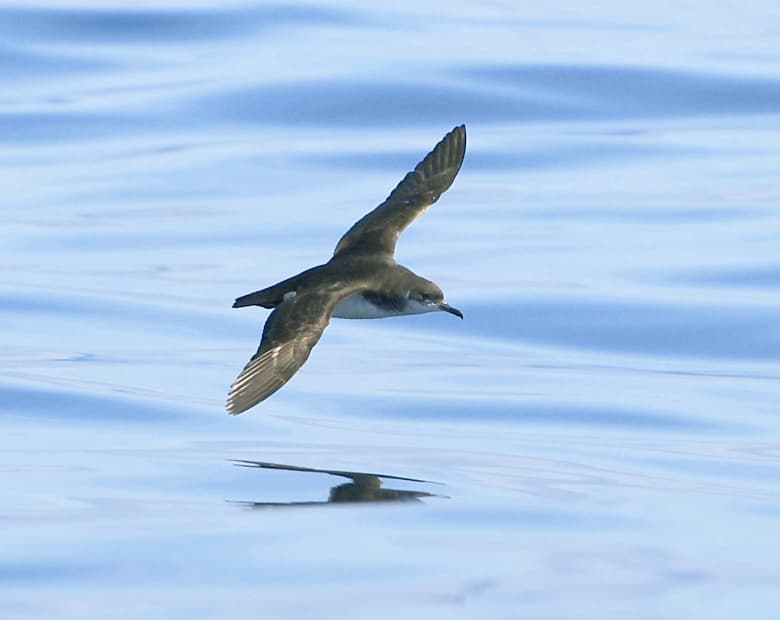
Avian Jet Lag Reveals Insights for Autonomous Systems
A two-decade tracking study reveals that Manx shearwaters experience a natural form of jet lag when flying across longitudes, subtly skewing their solar compass. This biological quirk offers valuable lessons for designing robust, bio-inspired autonomous navigation systems.
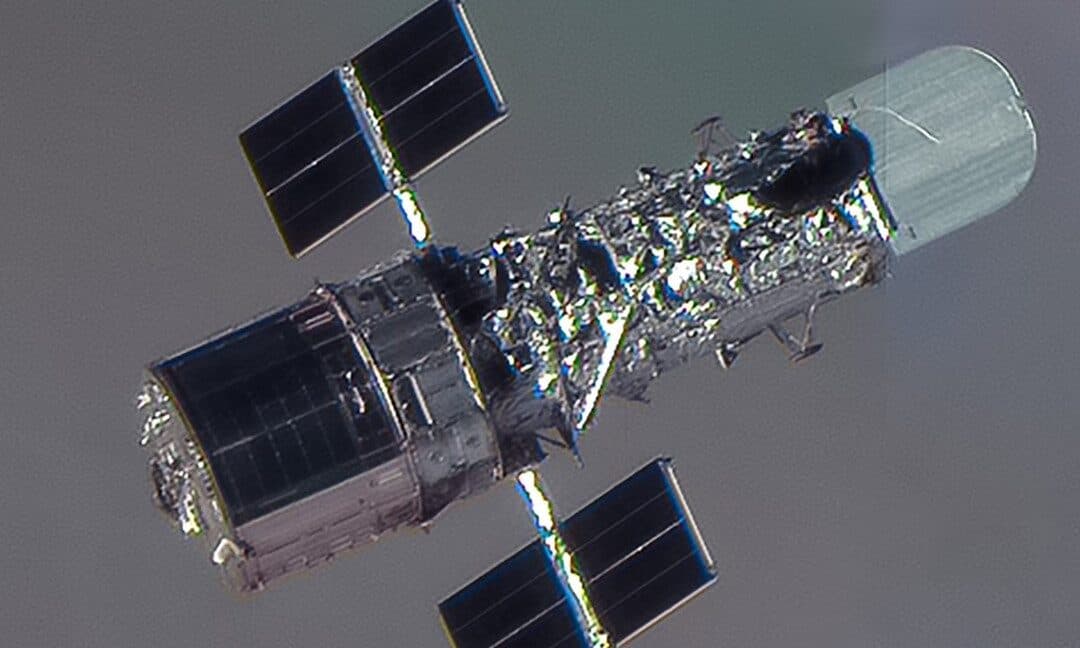
NASA Seeks Commercial Solutions to Save Hubble Telescope
As atmospheric drag slowly pulls the legendary Hubble Space Telescope toward an inevitable fiery reentry in the 2030s, NASA is turning to the commercial space sector for innovative rescue concepts. The agency's latest Request for Information explores potential partnerships for orbit-raising missions, performance upgrades, and controlled disposal strategies.

Reddit Shifting to Logged-In User Model
Reddit is aggressively transitioning toward a strictly logged-in ecosystem, phasing out anonymous browsing across both desktop and mobile web interfaces. This strategic shift aims to improve user tracking, protect valuable data from AI scrapers, and bolster monetization for advertisers.