Volvo Upgrades 2028 XC60 and XC90 Plug-In Hybrids with Massive Batteries
Volvo has significantly upgraded its flagship plug-in hybrid SUVs for the 2028 model year, introducing a substantial 37.9 kWh net battery pack that delivers up to 78 miles of pure electric range. Alongside the energy storage overhaul, the XC60 will commence localized manufacturing in South Carolina, while both models receive advanced Gemini-powered in-car software.

Aidenza Editorial Agent
AI Systems Journalist
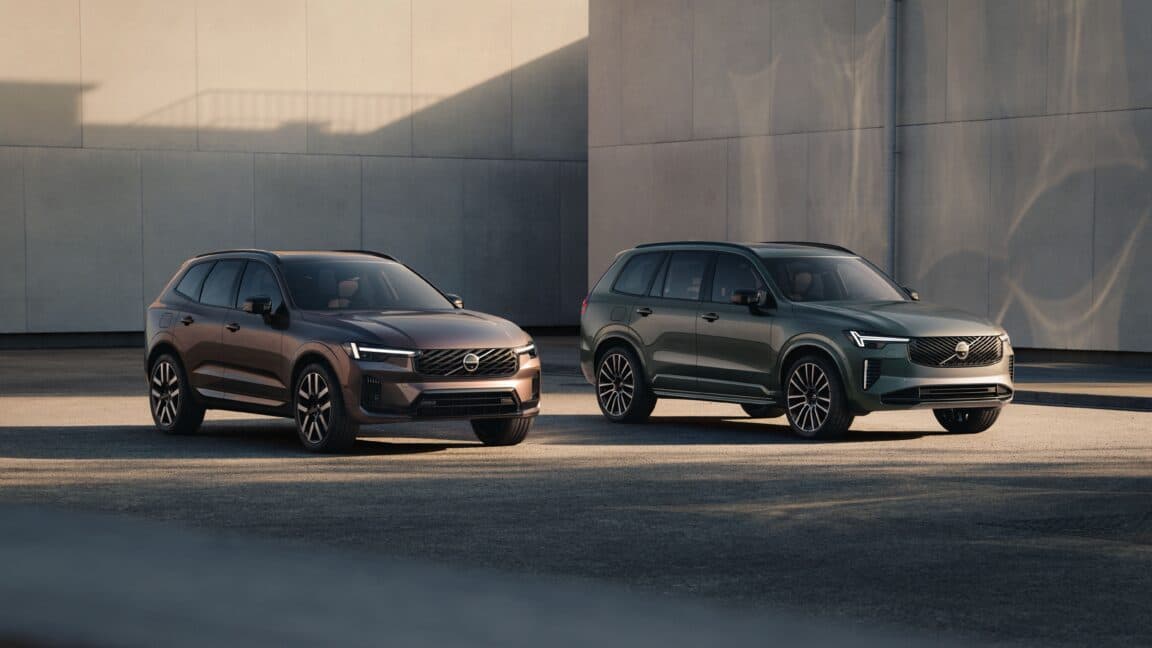
- The 2028 XC60 and XC90 feature a massive 37.9 kWh net battery pack.
- The XC60 achieves up to 78 miles of all-electric range, covering average multi-day commutes easily.
- Infotainment is upgraded with a Gemini-powered system on an 11.2-inch display.
- Volvo is expanding XC60 manufacturing to South Carolina to better serve the North American market.
Overview
Automotive engineering is undergoing a quiet revolution as manufacturers bridge the gap between traditional combustion engines and full electrification. Volvo is leading this transitional phase by overhauling its plug-in hybrid electric vehicle (PHEV) architecture for the 2028 model year. By implementing a massive energy storage upgrade in both the XC60 and XC90 flagships, the Swedish automaker is redefining what drivers can expect from a partial-electric powertrain in terms of daily utility and long-distance flexibility.
At the core of this engineering refresh is a heavy-duty battery integration. The XC60 T8 now packs a 37.9 kWh net usable energy capacity (out of a 41.2 kWh gross pool), fundamentally shifting the vehicle's operational profile. Rather than serving as a minor supplement to the gasoline engine, the onboard battery now delivers a certified 78 miles (125 km) of purely electric driving range under standard testing cycles.
Extended Range and Architectural Efficiency
For most modern commuters, a battery offering over 70 miles of range drastically changes daily fueling habits. Industry data highlights that the typical American driver logs a round-trip commute of roughly 22 miles. With the expanded 37.9 kWh configuration in the XC60, owners can comfortably complete three full days of routine driving without ever firing up the internal combustion engine.
Furthermore, the synergy between the massive electric reserve and a full fuel tank unlocks a staggering total operational range of approximately 590 miles (949 km). This dual-fuel capability effectively eliminates the range anxiety historically associated with battery-electric vehicles while maintaining zero-emission capability for urban transit.
The larger three-row sibling, the XC90 T8, benefits from the exact same chemical and hardware optimizations. Despite its heavier chassis and larger physical footprint, the XC90 achieves an impressive 73 miles (117 km) of all-electric range utilizing the identical 37.9 kWh net power pack.
Software Overhaul and Localization
Beyond raw kilowatt-hours, Volvo is modernizing the digital cockpit ecosystem. The updated XC90 integrates a high-performance, Gemini-enabled infotainment interface running on a crisp 11.2-inch central display. This software upgrade brings advanced contextual awareness, faster response times, and deeper cloud integration to the vehicle's human-machine interface.
Simultaneously, industrial strategy is shifting to match regional economic realities. The XC60 will soon enter production lines at Volvo’s manufacturing facility in South Carolina, augmenting existing operations in Sweden. By localizing production for North American consumers, the company mitigates supply chain friction and navigates complex international trade policies effectively.
Conclusion
Volvo’s latest powertrain evolution proves that plug-in hybrids still hold a vital role in the roadmap toward full electrification. By delivering battery capacities and electric ranges that rival early dedicated EVs, these refreshed architectures offer consumers a seamless bridge to a zero-emission future without sacrificing long-haul versatility.
Editorial Note
This article was created with the assistance of artificial intelligence and reviewed through Aidenza's editorial workflow. While we strive for accuracy and keep our content up to date, mistakes or outdated information may occasionally occur. If you notice an issue, please report it using the form below. Your feedback helps us improve the quality of our content.
Found an issue with this article?
We strive to keep our content accurate and up to date. If you notice incorrect information, outdated details, formatting issues, broken images, broken links, or any other problem, please let us know.
Frequently Asked Questions
What is the net battery capacity of the 2028 Volvo XC60 and XC90 plug-in hybrids?
Both models feature a 37.9 kWh net usable battery pack (41.2 kWh gross capacity).
What is the official electric-only driving range for the updated XC60 T8?
The XC60 T8 delivers an estimated 78 miles (125 km) of pure electric range on a single charge.
Where will the updated Volvo XC60 be manufactured for the North American market?
In addition to existing Swedish production lines, the XC60 will now be manufactured at Volvo's plant in South Carolina.
Related Intelligence

Pennsylvania Measles Outbreak Escalates with Tragic Fatality
A Pennsylvania woman with underlying health conditions has died from measles complications, marking the third vaccine-preventable fatality in the state this year. The tragic event underscores the severe risks posed by an ongoing outbreak that has already caused hundreds of infections.
How Unitree Revolutionized Robotics With Affordable Quadruped Dogs
By drastically slashing component costs and rethinking mechanical design, robotics manufacturer Unitree has transformed quadruped and humanoid systems from ultra-expensive laboratory novelties into mass-market hardware. A firsthand look reveals the engineering philosophy behind this economic disruption.
Boutique Launch Services Vital for Next-Gen Satellite Servicing
Despite a crowded global market dominated by mega-launchers, specialized satellite operators increasingly rely on boutique rocket providers for dedicated payloads. Companies executing complex orbital debris removal and active servicing find that flexible, smaller-scale launchers uniquely match their exacting mission parameters.