Amazon Fights NYC Delivery Bill with In-App Pop-Ups
Amazon has begun deploying unprecedented in-app pop-ups and homepage banners to mobilize New York City shoppers against a local labor bill. The proposed Delivery Protection Act could force the tech giant to directly employ third-party delivery contractors.

AI-assisted article, edited by Prashant Gupta · How we work
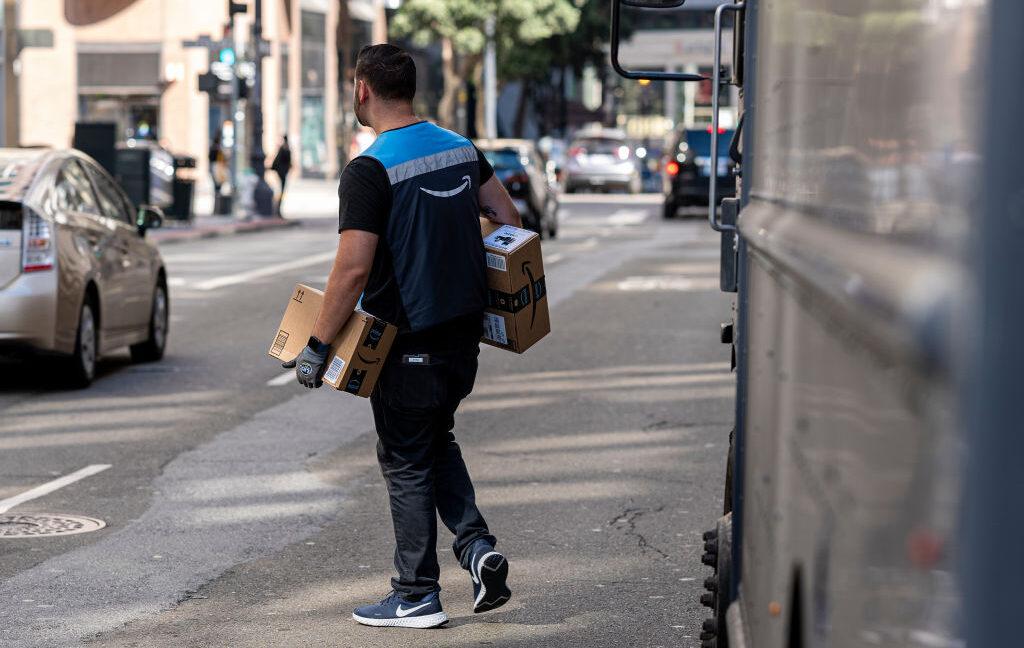
- Amazon is utilizing direct consumer interfaces, including homepage banners and mobile app pop-ups, to lobby against local legislation.
- The Delivery Protection Act (Intro 0518-2026) aims to force major delivery networks to directly employ third-party contractors.
- Amazon warns that compliance with the bill could disrupt its supply chain, potentially leading to slower delivery times and a withdrawal of operations from the city.
Overview
In a striking departure from traditional corporate lobbying, Amazon has integrated political advocacy directly into its core e-commerce interface. Users logging into the platform within targeted regions are now greeted with prominent notices warning of potential legislative impacts. This strategy shifts political messaging from press releases and behind-the-scenes lobbying straight to the consumer-facing shopping portal, creating an unavoidable digital touchpoint for millions of active users.
The target of this digital campaign is Introduction 0518-2026, colloquially known as the Delivery Protection Act. If enacted by the New York City Council, the legislation would mandate that major logistics networks directly employ the independent third-party delivery partners they currently utilize. Proponents argue this structure provides vital worker protections and stability, while the tech giant counters that it dismantles a flexible operational model built on independent small businesses.
Interface-Level Political Action
The deployment mechanism relies heavily on user-state identification, appearing as vertical banners on desktop web browsers and intrusive pop-ups within the mobile application. While the exact geolocation heuristics remain proprietary, the prompt triggers exclusively for authenticated accounts tied to local delivery zones. By clicking the call-to-action button, users are directed to streamlined advocacy pipelines that enable direct communication with local lawmakers.
This marks a notable escalation in how digital platforms leverage their real estate to influence public policy. While major corporations frequently issue corporate statements regarding regulatory headwinds, weaponizing the primary checkout and browsing interface to shape legislative outcomes introduces a novel paradigm in corporate-consumer relations.
Operational Implications and Threats
Amazon’s public messaging outlines severe logistical consequences should the bill pass. The company asserts that absorbing third-party contractors into direct employment models is incompatible with its current supply chain infrastructure. Consequently, leadership has indicated it would be forced to reevaluate its operational footprint within the municipality.
Such a restructuring would likely introduce severe latency into urban fulfillment networks, degrading the rapid-delivery guarantees consumers have come to expect. Furthermore, local logistics partners and their respective workforces face existential threats if the current contractor ecosystem is dissolved by regulatory mandate. As this legislative battle progresses, the intersection of digital user experiences and political lobbying will face heightened scrutiny from regulators and consumer advocacy groups alike.
Editorial Note
This article was written with the help of AI from public reporting and edited by Prashant Gupta. "Aidenza's Take" is AI-generated analysis, not a personal opinion. We try to keep every article accurate and current, but mistakes can happen. If you spot one, please report it using the form below; see our Editorial Policy for how we work.
Found an issue with this article?
We strive to keep our content accurate and up to date. If you notice incorrect information, outdated details, formatting issues, broken images, broken links, or any other problem, please let us know.
Frequently Asked Questions
What is the Delivery Protection Act?
Introduced as NYC Council bill Intro 0518-2026, the Delivery Protection Act would mandate that large delivery platforms directly employ the third-party contractors they currently use.
How is Amazon displaying the political message?
Amazon is utilizing prominent vertical homepage banners on desktop browsers, notices on order confirmation pages, and full-screen pop-ups inside the mobile application for users in the affected region.
What argument is Amazon making to consumers?
Amazon claims the legislation will eliminate its network of small community-based delivery businesses, potentially resulting in slower deliveries, higher costs, and thousands of lost jobs for local workers.
Related Intelligence
Senate Committee Advances FCC Nominee Amid Democratic Boycott
The Senate Commerce Committee advanced the nomination of FCC candidate Danielle Thumann in a unanimous 15-0 Republican vote. Democrats boycotted the session, citing procedural rules and alleging the nominee provided misleading testimony regarding media policy work.
Microsoft Copilot Workspaces & Enterprise AI Governance
Microsoft is transforming Copilot into a collaborative ecosystem for both humans and AI agents. The newly unveiled Workspaces shifts artificial intelligence from a single-player utility to a shared workspace, backed by fresh security frameworks.

Battlefield Robots & The Reality of Military Humanoids
Despite high-profile startup claims and promotional videos, humanoid military robots remain unproven for actual combat deployments. Instead, modern defense innovation relies on practical unmanned ground vehicles and aerial drone swarms operating in real conflict zones.