Senate Committee Advances FCC Nominee Amid Democratic Boycott
The Senate Commerce Committee advanced the nomination of FCC candidate Danielle Thumann in a unanimous 15-0 Republican vote. Democrats boycotted the session, citing procedural rules and alleging the nominee provided misleading testimony regarding media policy work.

AI-assisted article, edited by Prashant Gupta · How we work
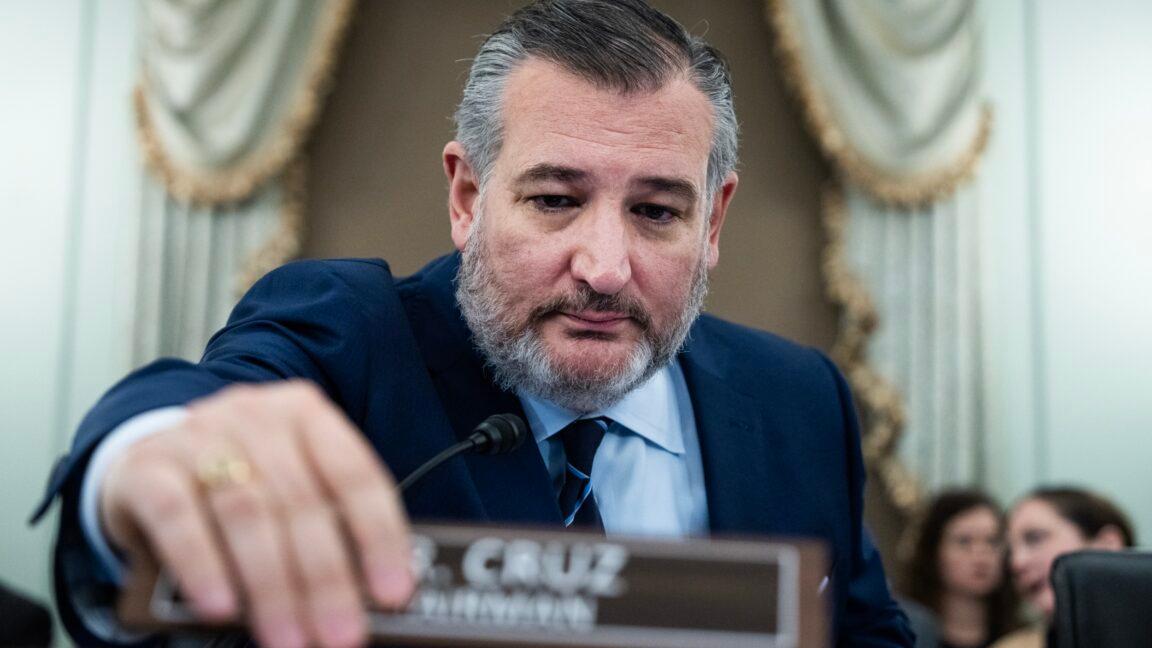
- The Senate Commerce Committee advanced an FCC nomination through a unanimous Republican-only vote following a Democratic boycott.
- Disputes arose over committee quorum requirements and whether the nominee accurately represented her past agency portfolio involving media matters.
- The confirmation process underscores broader partisan battles over regulatory oversight and the political balance of independent communications agencies.
Overview
In a session marked by partisan friction and procedural debate, the Senate Commerce Committee advanced a key regulatory nomination to the full chamber. Led by Chairman Ted Cruz (R-Texas), the committee secured a unanimous 15-0 vote among its Republican members to forward the nomination of Danielle Thumann to the Federal Communications Commission (FCC). The proceeding took place without the participation of the panel's 13 Democratic members, who chose to boycott the meeting in an effort to deny a quorum and protest the handling of the confirmation process.
Testimony and Transparency Controversies
The vote followed intense scrutiny regarding Thumann's prior statements to lawmakers. During preceding hearings, Democratic senators questioned the nominee about her interactions with FCC leadership regarding broadcast and media policies. Particular focus was placed on whether she had engaged in media-related matters within her portfolio as a legal advisor.
Lawmakers from the minority party pointed to public records and Freedom of Information Act disclosures indicating involvement in administrative responses to media complaints, including matters concerning network programming and public inquiries. While defenders argued that the nominee's administrative coordination did not constitute direct policy formulation for specific mergers or broadcast decisions, critics maintained that the disclosures contradicted her prior characterization of her workload.
Quorum Debates and Committee Rules
The decision to proceed with a single-party vote ignited a dispute over procedural governance within the legislative body. Traditionally, committee protocols have aimed for bipartisan participation and quorum thresholds that include representation from the minority party. However, majority leadership relied on broader chamber rules and Standing Rules of the Senate provisions to validate the committee action, arguing that procedural pathways exist to advance nominations to the floor when standard committee practices stall.
Opponents disputed this interpretation, emphasizing long-standing panel traditions and pointing out the absence of officially adopted committee rules for the current congressional session. Despite these objections, the panel cleared the procedural hurdle, paving the way for the nomination to reach the full legislative body.
Regulatory Balance and Future Outlook
Beyond the immediate procedural conflict, the nomination highlights ongoing debates regarding the ideological balance of independent regulatory bodies. Statutory frameworks limit the political composition of the commission to prevent single-party control beyond a simple majority. Confirmation of the current nominee would solidify a Republican majority on the commission, setting the stage for upcoming telecommunications rulemakings, media ownership reviews, and broadband policy shifts as leadership transitions in the new year.
Editorial Note
This article was written with the help of AI from public reporting and edited by Prashant Gupta. "Aidenza's Take" is AI-generated analysis, not a personal opinion. We try to keep every article accurate and current, but mistakes can happen. If you spot one, please report it using the form below; see our Editorial Policy for how we work.
Found an issue with this article?
We strive to keep our content accurate and up to date. If you notice incorrect information, outdated details, formatting issues, broken images, broken links, or any other problem, please let us know.
Frequently Asked Questions
Why did Democrats boycott the committee vote?
Democratic members boycotted the hearing to prevent a quorum and protest what they viewed as a rushed, partisan confirmation process during a lame-duck session without paired nominations.
What were the allegations against the FCC nominee?
Senators alleged that Danielle Thumann provided misleading testimony regarding her involvement in media-related policy issues and administrative responses handled by the commission.
Related Intelligence

Amazon Fights NYC Delivery Bill with In-App Pop-Ups
Amazon has begun deploying unprecedented in-app pop-ups and homepage banners to mobilize New York City shoppers against a local labor bill. The proposed Delivery Protection Act could force the tech giant to directly employ third-party delivery contractors.
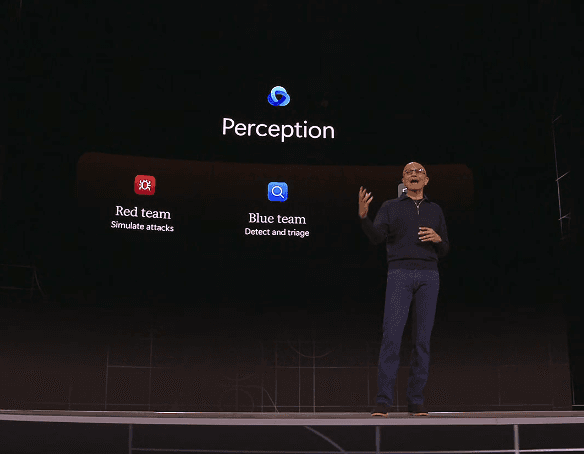
Microsoft Copilot Workspaces & Enterprise AI Governance
Microsoft is transforming Copilot into a collaborative ecosystem for both humans and AI agents. The newly unveiled Workspaces shifts artificial intelligence from a single-player utility to a shared workspace, backed by fresh security frameworks.

Battlefield Robots & The Reality of Military Humanoids
Despite high-profile startup claims and promotional videos, humanoid military robots remain unproven for actual combat deployments. Instead, modern defense innovation relies on practical unmanned ground vehicles and aerial drone swarms operating in real conflict zones.