Microsoft Copilot Workspaces & Enterprise AI Governance
Microsoft is transforming Copilot into a collaborative ecosystem for both humans and AI agents. The newly unveiled Workspaces shifts artificial intelligence from a single-player utility to a shared workspace, backed by fresh security frameworks.

AI-assisted article, edited by Prashant Gupta · How we work
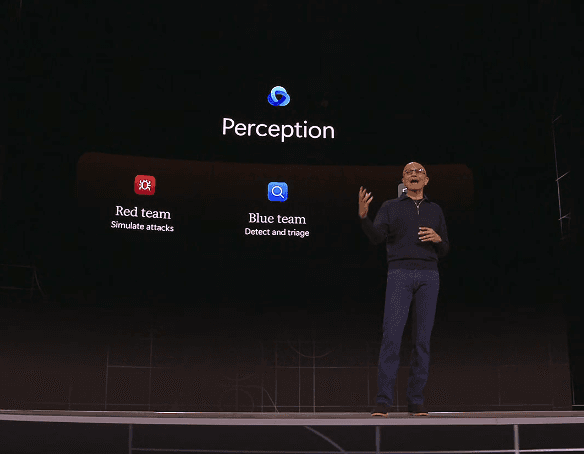
- Copilot Workspaces shifts AI interactions from isolated single-player sessions to shared multiplayer collaborative environments.
- Enterprise AI governance requires separating intelligence generation from execution authority rather than relying on model self-regulation.
- Granular administrative controls, including unique agent IDs and audit logs, are essential for managing autonomous workplace agents.
Overview
Microsoft is redefining workplace productivity by positioning its Copilot platform as a comprehensive operating system for modern business operations. At the core of this evolution is Copilot Workspaces, a collaborative environment currently rolling out via the company's Frontier early-access initiative. Rather than functioning as an isolated utility for individual users, Workspaces transforms artificial intelligence into a team-oriented participant that collaborates alongside human colleagues toward shared organizational objectives.
Shifting to Multiplayer AI Interactions
Historically, enterprise interactions with foundation models have remained isolated to single-player sessions, where an individual prompts an assistant for text, code, or data analysis. Workspaces changes this dynamic by introducing shared context environments where multiple human users and automated Autopilot agents operate simultaneously. These agents do not merely execute isolated commands; they maintain persistent awareness of ongoing projects, helping teams iterate faster and reduce friction in complex workflows.
The Architecture of Enterprise Trust
A critical challenge in deploying advanced language models within large enterprises is the inherent unpredictability of probabilistic systems. During recent product showcases, corporate leadership candidly acknowledged that achieving total mechanistic alignment or complete algorithmic transparency remains practically elusive. Because complex models cannot be inherently trusted to self-govern, the architectural solution relies on decoupling the generation of intelligence from the authorization of execution.
To enforce these boundaries, Microsoft has introduced granular administrative controls for every deployed agent:
- Unique Identifiers: Every Autopilot agent is assigned a distinct system ID, allowing IT administrators to precisely track, restrict, or completely revoke its operational permissions.
- Activity Logging: Comprehensive audit trails record all agent actions, providing compliance teams with complete visibility into automated operations.
- Human-in-the-Loop Safeguards: Agents can be configured to pause and request explicit human validation before executing high-impact workflows.
Industry-Wide Transparency Initiatives
Recognizing that internal guardrails alone are insufficient for widespread enterprise adoption, Microsoft also announced the AI Transparency Initiative. By partnering with major global enterprises across finance, software, and retail—including organizations like Adobe and Mastercard—the initiative aims to establish open, standardized protocols for artificial intelligence governance, data security, and operational safety.
Conclusion
The integration of collaborative workspaces and strict governance controls marks a maturation point for enterprise AI deployment. As organizations weigh the benefits of autonomous task execution against operational risks, the success of these systems will depend heavily on the reliability of administrative oversight and standardized security frameworks.
Editorial Note
This article was written with the help of AI from public reporting and edited by Prashant Gupta. "Aidenza's Take" is AI-generated analysis, not a personal opinion. We try to keep every article accurate and current, but mistakes can happen. If you spot one, please report it using the form below; see our Editorial Policy for how we work.
Found an issue with this article?
We strive to keep our content accurate and up to date. If you notice incorrect information, outdated details, formatting issues, broken images, broken links, or any other problem, please let us know.
Frequently Asked Questions
What are Copilot Workspaces?
Copilot Workspaces are collaborative environments that allow human users and automated Autopilot agents to work together in a shared-context setting.
How does Microsoft address AI safety and trust?
Microsoft separates intelligence generation from execution authority, utilizing unique agent IDs, activity logging, administrative permission blocks, and human-in-the-loop approvals.
What is the AI Transparency Initiative?
It is an industry coalition partnering with major enterprises to develop open, standardized frameworks for AI governance and security.
Related Intelligence

Amazon Fights NYC Delivery Bill with In-App Pop-Ups
Amazon has begun deploying unprecedented in-app pop-ups and homepage banners to mobilize New York City shoppers against a local labor bill. The proposed Delivery Protection Act could force the tech giant to directly employ third-party delivery contractors.

Senate Committee Advances FCC Nominee Amid Democratic Boycott
The Senate Commerce Committee advanced the nomination of FCC candidate Danielle Thumann in a unanimous 15-0 Republican vote. Democrats boycotted the session, citing procedural rules and alleging the nominee provided misleading testimony regarding media policy work.
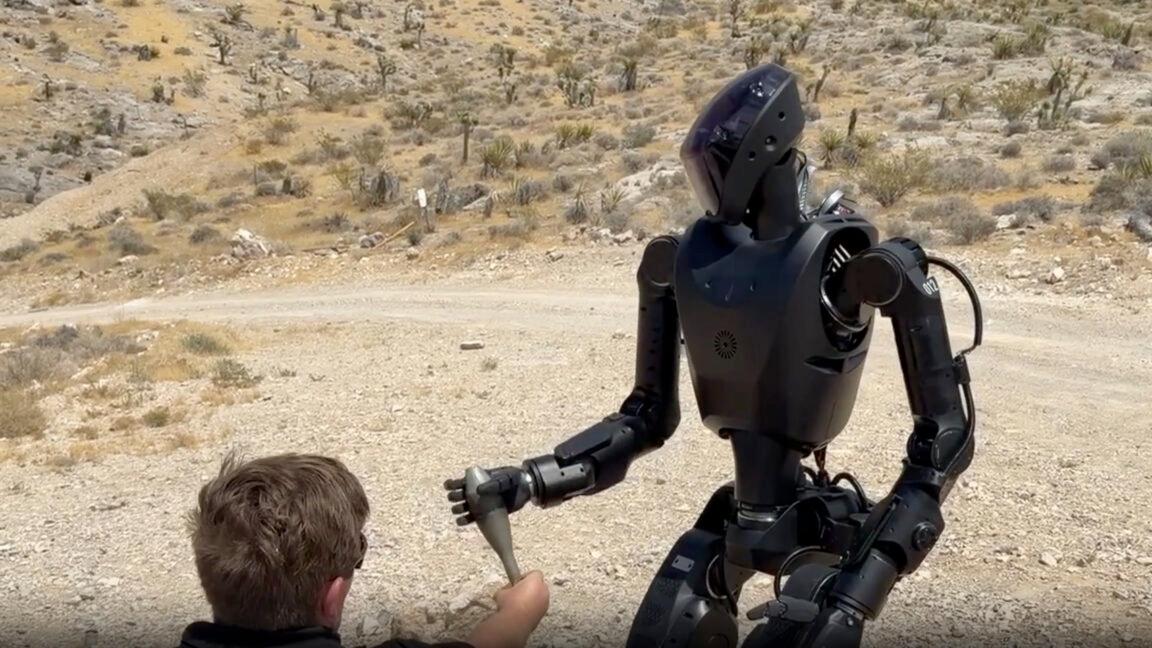
Battlefield Robots & The Reality of Military Humanoids
Despite high-profile startup claims and promotional videos, humanoid military robots remain unproven for actual combat deployments. Instead, modern defense innovation relies on practical unmanned ground vehicles and aerial drone swarms operating in real conflict zones.