Battlefield Robots & The Reality of Military Humanoids
Despite high-profile startup claims and promotional videos, humanoid military robots remain unproven for actual combat deployments. Instead, modern defense innovation relies on practical unmanned ground vehicles and aerial drone swarms operating in real conflict zones.

AI-assisted article, edited by Prashant Gupta · How we work
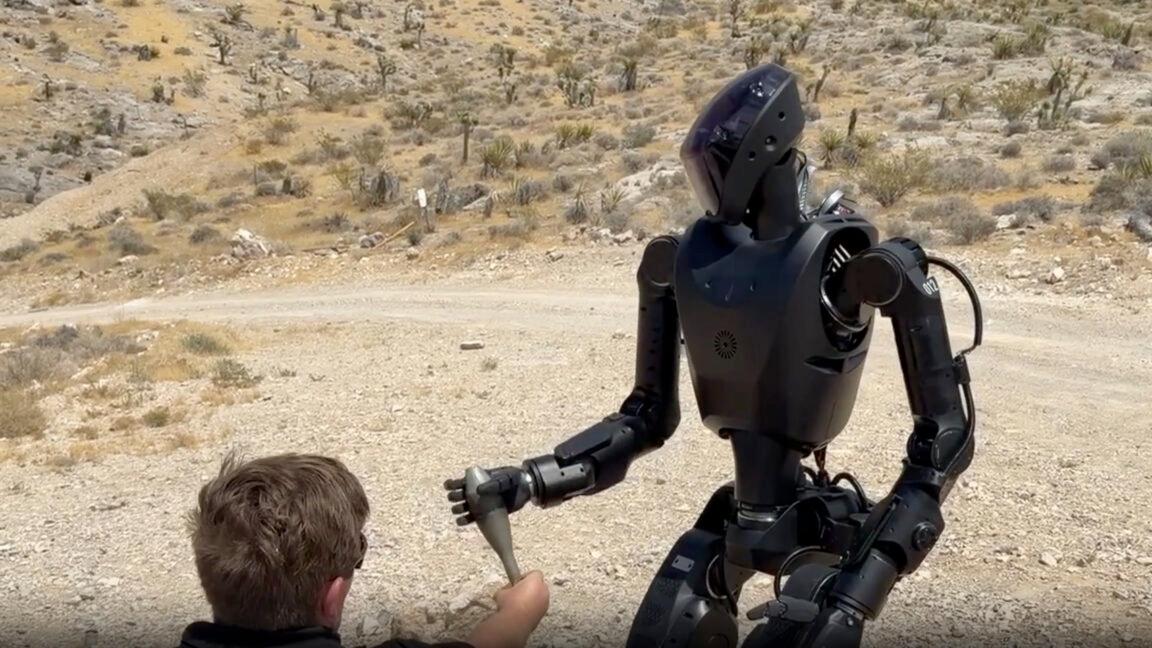
- Humanoid military robots face severe reliability and logistical hurdles in real combat environments.
- Tracked and wheeled UGVs are currently the primary drivers of robotic ground warfare.
- Practical defense technology prioritizes durability, simplicity, and low cost over bipedal versatility.
Overview
The intersection of robotics and defense technology often blurs the line between speculative science fiction and engineering reality. Recent developments surrounding military robotics startups highlight a stark disconnect between promotional marketing campaigns and actual battlefield efficacy. While venture-backed enterprises promise general-purpose humanoid soldiers capable of executing complex combat maneuvers, active military zones tell a vastly different story.
The Reality of Humanoid Limitations in Combat
Humanoid form factors are heavily optimized for human environments, but translating that bipedal versatility into rugged, high-stakes military hardware presents immense engineering hurdles. Promotional footage from robotics firms frequently depicts slow, highly scripted demonstrations—such as a humanoid slowly lowering a mortar shell into a tube. Independent journalists and military observers have noted that these systems often fail to reach active conflict zones, getting stalled by logistical barriers, border restrictions, or a simple lack of operational readiness.
In dynamic combat environments characterized by uneven terrain, debris, electronic jamming, and extreme weather, bipedal humanoids struggle to maintain stability and reliability. The massive energy requirements, fragile mechanical actuators, and complex sensory processing needed to keep a humanoid upright make them highly vulnerable targets compared to lower-profile, specialized robotic systems.
Unmanned Ground Vehicles and Drone Warfare
While humanoid concepts struggle to move past the demonstration phase, practical robotics warfare has evolved rapidly out of necessity. Militaries engaged in active defense operations—most notably Ukraine—have bypassed humanoids entirely, focusing instead on rugged Unmanned Ground Vehicles (UGVs) and aerial drone swarms.
UGVs typically utilize wheels or caterpillar tracks, providing a low center of gravity and exceptional durability across rough terrain. These systems have proven invaluable for high-risk operations, including:
- Logistical Resupply: Delivering ammunition, water, and vital supplies to frontline positions without risking human drivers.
- Casualty Evacuation: Safely retrieving wounded personnel from contested zones under active fire.
- Direct Combat Engagements: Acting as mobile weapon platforms equipped with projectile systems or functioning as specialized roving explosives.
Furthermore, modern tactics have integrated these ground platforms with aerial assets. Militaries have successfully executed complex operations utilizing drones to airdrop armed ground robots directly behind enemy lines, fundamentally changing tactical approaches to territorial counteroffensives.
Conclusions and Future Outlook
The current state of military robotics demonstrates a clear divergence between speculative venture-backed hardware and pragmatic defense engineering. While humanoid platforms capture public attention, practical robotic warfare relies on specialized, highly durable, and cost-effective mechanical systems that can operate reliably under extreme pressure.
Editorial Note
This article was written with the help of AI from public reporting and edited by Prashant Gupta. "Aidenza's Take" is AI-generated analysis, not a personal opinion. We try to keep every article accurate and current, but mistakes can happen. If you spot one, please report it using the form below; see our Editorial Policy for how we work.
Found an issue with this article?
We strive to keep our content accurate and up to date. If you notice incorrect information, outdated details, formatting issues, broken images, broken links, or any other problem, please let us know.
Frequently Asked Questions
Are humanoid robots currently being used in active combat?
No. Humanoid robots remain largely unproven for battlefield use, with promotional demonstrations often failing to translate into operational deployments.
What types of robots are actually being deployed in modern conflicts?
Militaries rely on Unmanned Ground Vehicles (UGVs) with wheels or caterpillar tracks, alongside aerial drone swarms, for supply runs, evacuations, and combat.
Why are tracked and wheeled UGVs preferred over humanoids?
UGVs offer greater stability, lower centers of gravity, simpler mechanical maintenance, and superior durability across rough combat terrain.
Related Intelligence

Amazon Fights NYC Delivery Bill with In-App Pop-Ups
Amazon has begun deploying unprecedented in-app pop-ups and homepage banners to mobilize New York City shoppers against a local labor bill. The proposed Delivery Protection Act could force the tech giant to directly employ third-party delivery contractors.

Senate Committee Advances FCC Nominee Amid Democratic Boycott
The Senate Commerce Committee advanced the nomination of FCC candidate Danielle Thumann in a unanimous 15-0 Republican vote. Democrats boycotted the session, citing procedural rules and alleging the nominee provided misleading testimony regarding media policy work.

Microsoft Copilot Workspaces & Enterprise AI Governance
Microsoft is transforming Copilot into a collaborative ecosystem for both humans and AI agents. The newly unveiled Workspaces shifts artificial intelligence from a single-player utility to a shared workspace, backed by fresh security frameworks.