Cracking Superconductor Mysteries via Electrical Noise
Physicists have resolved a decades-old mystery regarding high-temperature superconductors by tuning into electrical shot noise. The breakthrough confirms that missing electrons in cuprates form pairs long before achieving superconductivity.

AI-assisted article, edited by Prashant Gupta · How we work

- Electrical shot noise measurements can directly detect pre-formed electron pairs in high-temperature superconductors.
- Data confirms that electron pairing occurs at the pseudogap energy level, ruling out theories relying solely on static charge patterns.
- Phase coherence, rather than pair formation, represents the primary bottleneck for achieving higher critical temperatures in cuprates.
Overview
For nearly forty years, physicists have puzzled over the strange behavior of copper-based materials known as cuprates. While these compounds can conduct electricity without resistance at much higher temperatures than conventional superconductors, the underlying mechanics have remained elusive. A recent breakthrough shifts our understanding of this domain by measuring faint electrical fluctuations, offering definitive clues about how electrons behave inside these complex materials.
At the heart of the enigma lies the pseudogap—a mysterious state where electrons seem to vanish at specific energy levels above the material's superconducting threshold. Two primary hypotheses long dominated theoretical physics: either electrons froze into rigid, non-superconducting spatial patterns, or they spontaneously formed pairs ahead of time. Proving either theory required a method to directly observe electron pairing without destroying the delicate quantum states involved.
Listening to Quantum Shot Noise
To settle the debate, researchers turned to shot noise, the subtle electrical crackle produced by discrete charges flowing through a circuit. Much like heavy raindrops drumming against a roof generate a louder sound than a light drizzle, paired electrons traveling together create more pronounced electrical fluctuations than single, unpaired charges.
By deploying a scanning tunneling microscope, the team measured these fluctuations across various locations on the surface of a cuprate crystal called BSCCO. Overcoming immense technical hurdles required years of precise electronics craftsmanship to isolate the minute signals. By sweeping the voltage applied through the microscope's needle, the researchers could target specific energy levels akin to turning a radio dial.
Unlocking the Pseudogap Phase
The measurements revealed that excess noise reliably emerged right at the local pseudogap energy, regardless of chemical variations across the crystal samples. Furthermore, introducing strong magnetic fields suppressed the pairing noise while keeping the underlying missing-electron pattern intact, confirming that electron pairs directly caused the anomaly.
This evidence points to a distinct chronological sequence in cuprate superconductivity. Instead of pairing and collective fluid movement happening simultaneously—as seen in standard low-temperature superconductors—electrons form pre-formed pairs well above the critical temperature. The true bottleneck preventing higher-temperature superconductivity is not getting electrons to pair, but getting those pairs to achieve phase coherence and move in lockstep.
Future Horizons and Materials Design
While these findings eliminate the theory that the pseudogap stems exclusively from frozen charge patterns, researchers caution that achieving room-temperature superconductivity remains exceptionally complex due to intertwined physical effects. Future advancements will likely depend on higher-resolution spatial mapping and leveraging computational automation and chemical screening. As experimental techniques evolve, combining advanced hardware sensitivity with AI-driven material exploration may finally unlock the full potential of high-temperature superconductivity.
Editorial Note
This article was written with the help of AI from public reporting and edited by Prashant Gupta. "Aidenza's Take" is AI-generated analysis, not a personal opinion. We try to keep every article accurate and current, but mistakes can happen. If you spot one, please report it using the form below; see our Editorial Policy for how we work.
Found an issue with this article?
We strive to keep our content accurate and up to date. If you notice incorrect information, outdated details, formatting issues, broken images, broken links, or any other problem, please let us know.
Frequently Asked Questions
What is a pseudogap in superconductors?
The pseudogap is a state where certain electrons appear to be missing at specific energy levels above the temperature at which the material becomes superconducting.
How did researchers detect electron pairing?
Researchers used a scanning tunneling microscope to measure electrical shot noise—tiny fluctuations caused by individual charges—which increases when electrons travel in pairs rather than individually.
What is the primary bottleneck for high-temperature superconductivity in cuprates?
The study indicates that electrons form pairs easily at higher temperatures, but the main obstacle is achieving phase coherence so that all pairs can move together as a unified fluid.
Related Intelligence

Tracing the Bantu Expansion Through Genetics and Archaeology
A multidisciplinary alliance of geneticists, linguists, and archaeologists is successfully reconstructing the expansive prehistoric migration of Bantu-speaking communities. By combining modern DNA sequencing with ancient material artifacts, researchers are charting how these pioneering populations reshaped the cultural, linguistic, and technological landscape of sub-Saharan Africa.
Surviving a Rare Penetrating Brain Injury
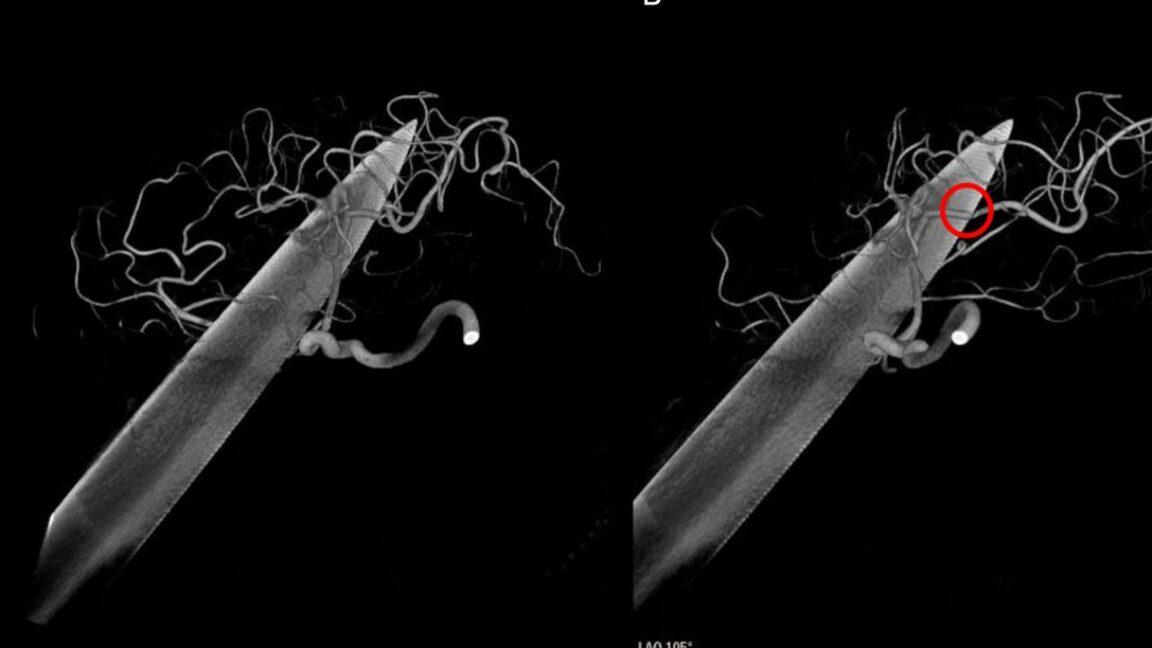
Medical professionals have documented the exceptional recovery of an individual who survived a knife penetrating through his eye and deep into his brain. Despite the severe trauma, the patient experienced remarkably few lasting neurological deficits.
Blue Origin Unveils Northstar Engine for New Glenn
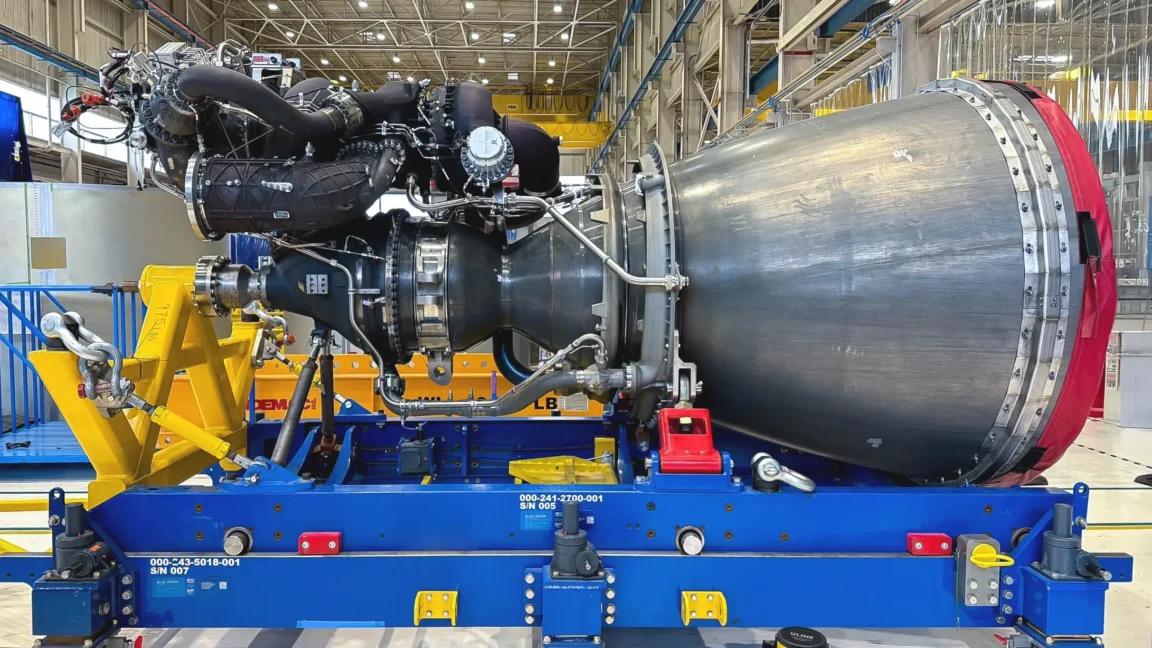
Blue Origin has introduced major upgrades to its New Glenn rocket, including the Northstar engine designed to slash manufacturing costs by 75 percent. Featuring high-degree 3D printing and reduced component counts, the architecture aims to enable a launch cadence of over 1,000 flights annually.