Tracing the Bantu Expansion Through Genetics and Archaeology
A multidisciplinary alliance of geneticists, linguists, and archaeologists is successfully reconstructing the expansive prehistoric migration of Bantu-speaking communities. By combining modern DNA sequencing with ancient material artifacts, researchers are charting how these pioneering populations reshaped the cultural, linguistic, and technological landscape of sub-Saharan Africa.

AI-assisted article, edited by Prashant Gupta · How we work
- Multidisciplinary research combining linguistics, archaeology, and genetics is successfully mapping ancient human migrations.
- Genetic diversity patterns confirm that Bantu-speaking populations originated in western Africa before expanding southward and eastward.
- Advanced metallurgical techniques, including natural-draft iron-smelting furnaces, provided a crucial technological advantage for expansion.
- Genomic data reveals complex historical interactions and intermixing between incoming Bantu groups and indigenous hunter-gatherer populations.
Overview
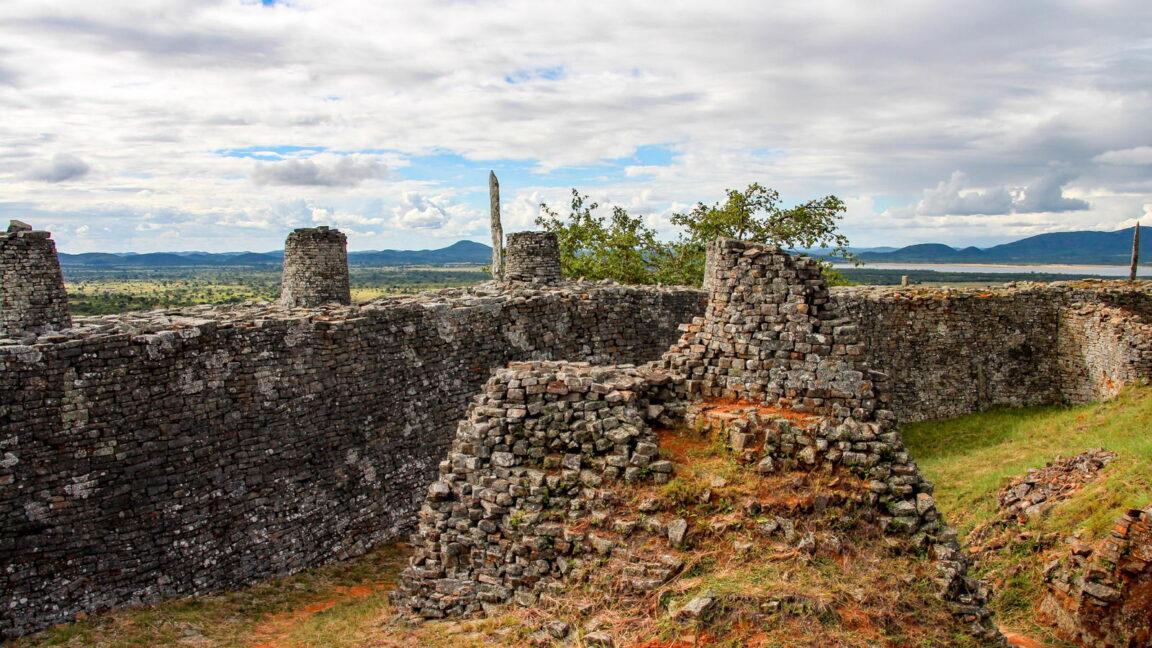
The dry-stone remnants of Great Zimbabwe stand as a monumental testament to the sophisticated societies built by Bantu-speaking communities. Long before these ancient kingdoms flourished between 1000 and 1700 AD, their forebears embarked on one of humanity's most sweeping migrations. Originating in western Africa several thousand years ago, these groups gradually spread across the southern half of the continent, introducing revolutionary practices such as sedentary farming, livestock rearing, pottery, and advanced metallurgy. Today, this vast diaspora resonates through approximately 500 distinct languages spoken by 350 million people, alongside deep genetic signatures found across African and diaspora populations.
Unraveling a Continental Migration
For generations, tracing the exact pathways and timelines of this massive demographic shift proved exceptionally difficult due to sparse written documentation. However, modern researchers have broken through these historical barriers by combining three distinct scientific lenses: linguistics, archaeology, and population genetics.
Initial clues emerged from structural similarities across Bantu languages. During the late 15th century, early explorers noted that crews could communicate across vast maritime distances using closely related dialects. Linguistic mapping later traced the highest concentration of language diversity back to western Africa, specifically the Grassfields region of Cameroon. Archaeological excavations soon reinforced this origin story, uncovering parallel styles of pottery and early village infrastructure that mapped a distinct chronological progression from north to south.
Genetic Signatures and the Rainforest Route
While cultural artifacts provided a broad outline, academic debates persisted throughout the late 20th century over whether these innovations spread through physical migration or cultural diffusion. The advent of high-resolution genetic sequencing decisively settled this question.
Comprehensive DNA analyses of modern African populations revealed clear patterns of shared ancestry that correlated directly with geographic distance from western Africa. Furthermore, computational analyses of linguistic evolution and genomic data helped resolve debates regarding the exact route travelers took through the formidable Congo rainforest. Rather than splitting before entering the dense jungle, populations appear to have navigated the forest together, only dividing into distinct eastern and southern migration streams upon reaching its southern fringe roughly 2,500 to 3,500 years ago.
Technological Prowess and Cultural Intermixing
The success of these communities relied heavily on an integrated toolkit of agricultural production and iron-smelting technology. Sophisticated engineering feats—such as natural-draft furnaces capable of reaching extreme temperatures without human-powered bellows—allowed groups to manufacture durable tools efficiently, fueling population growth and territorial expansion.
As these farming communities expanded, they inevitably encountered indigenous hunter-gatherer populations. Recent genomic studies reveal complex historical interactions, including genetic admixture between incoming Bantu groups and local rainforest or Khoisan populations. Specific chromosomal inheritance patterns suggest asymmetric social dynamics during early contact periods, which also left lasting marks on regional dialects, such as the incorporation of click consonants into southern Bantu languages like Zulu and Xhosa.
Conclusions
The intersection of archaeometallurgy, historical linguistics, and computational genetics has successfully transformed our understanding of a foundational chapter in human history. By piecing together fragmentary ceramic shards and complex genomic maps, science continues to illuminate the remarkable resilience, adaptability, and technological ingenuity that defined the Bantu expansion.
Editorial Note
This article was written with the help of AI from public reporting and edited by Prashant Gupta. "Aidenza's Take" is AI-generated analysis, not a personal opinion. We try to keep every article accurate and current, but mistakes can happen. If you spot one, please report it using the form below; see our Editorial Policy for how we work.
Found an issue with this article?
We strive to keep our content accurate and up to date. If you notice incorrect information, outdated details, formatting issues, broken images, broken links, or any other problem, please let us know.
Frequently Asked Questions
What core innovations did Bantu-speaking groups introduce to eastern and southern Africa?
They introduced a sedentary lifestyle characterized by agriculture, livestock herding, pottery-making, and sophisticated metalworking, particularly iron smelting.
How do scientists know that the Bantu expansion involved physical migration rather than just cultural exchange?
Population genetic studies have shown a clear pattern of declining genetic diversity the further populations are from the western African homeland, which is a classic signature of population expansion.
What role did the Congo rainforest play in the migration route?
Genetic and linguistic data indicate that migrating groups crossed the Congo rainforest together as a single group, spending considerable time inside before splitting into eastern and southern streams upon reaching the forest's southern edge.
Related Intelligence

Cracking Superconductor Mysteries via Electrical Noise
Physicists have resolved a decades-old mystery regarding high-temperature superconductors by tuning into electrical shot noise. The breakthrough confirms that missing electrons in cuprates form pairs long before achieving superconductivity.

Surviving a Rare Penetrating Brain Injury
Medical professionals have documented the exceptional recovery of an individual who survived a knife penetrating through his eye and deep into his brain. Despite the severe trauma, the patient experienced remarkably few lasting neurological deficits.

Blue Origin Unveils Northstar Engine for New Glenn
Blue Origin has introduced major upgrades to its New Glenn rocket, including the Northstar engine designed to slash manufacturing costs by 75 percent. Featuring high-degree 3D printing and reduced component counts, the architecture aims to enable a launch cadence of over 1,000 flights annually.