Nvidia Board Weighs Future of CEO Jensen Huang
Nvidia is facing a potential leadership crisis as its board prepares for urgent discussions regarding Chief Executive Jensen Huang. The developments, sparked by reports of personal relationships, have already triggered significant after-hours market movements and raised questions about the future of the global AI hardware leader.

AI-assisted article, edited by Prashant Gupta · How we work
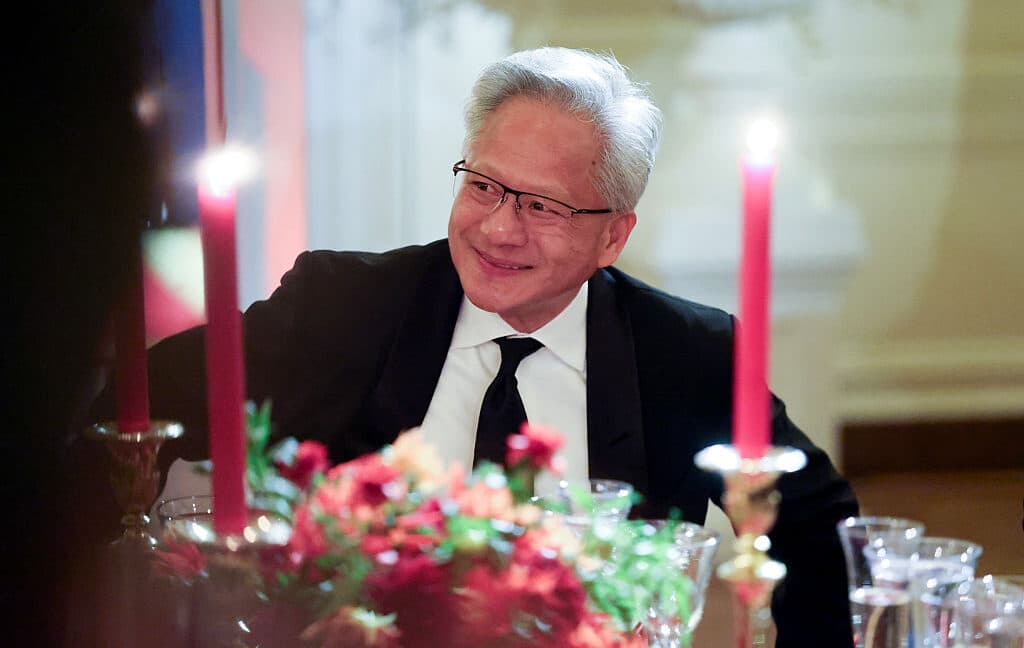
- Nvidia's board is facing urgent discussions regarding CEO Jensen Huang's future at the company.
- The executive leadership uncertainty triggered an immediate 8.6 percent drop in after-hours share trading.
- Nvidia's central role in AI financing and hardware supply makes its corporate stability vital to the entire tech sector.
Overview
The artificial intelligence landscape is facing an unprecedented leadership test. Nvidia's board of directors is convening for urgent deliberations regarding the future of Chief Executive Jensen Huang, following reports detailing personal relationships with high-ranking industry executives. As the central engine of the global hardware boom, any disruption at the helm of the semiconductor giant carries massive systemic weight for the broader technology sector.
Market Impact and Financial Ripple Effects
The news immediately rattled financial markets, sending the company's shares tumbling 8.6 percent in after-hours trading. Futures tied to the tech-heavy Nasdaq 100 concurrently dipped roughly 1 percent. Given that Nvidia recently held the mantle of the world's most valuable enterprise, these swift market reactions underscore how deeply intertwined the company's corporate governance is with the broader stability of the technology sector and major stock indices.
The Architecture of Nvidia's Ecosystem Dominance
Beyond raw silicon manufacturing, Nvidia has evolved into a financial pillar of the artificial intelligence revolution. The firm's aggressive dealmaking strategy involves intricate financial guarantees and extensive equity investments across the generative AI ecosystem. Its specialized graphics processing units remain the fundamental bedrock required for training and operating frontier large language models developed by industry leaders like OpenAI and Anthropic. A sudden leadership vacuum would fundamentally alter the venture and infrastructure dynamics supporting the entire ecosystem.
Geopolitical Scrutiny and Policy Dynamics
The leadership pressure on Huang extends beyond internal governance into intense geopolitical scrutiny. Federal intelligence agencies have taken interest in external connections involving individuals linked to Nvidia's customer network, compounding the CEO's regulatory challenges. While political leaders have offered mixed responses—ranging from active federal investigations to public endorsements and calls for congressional oversight—Huang's advocacy regarding advanced semiconductor export controls to foreign markets remains a pivotal touchpoint in national technology policy.
Editorial Note
This article was written with the help of AI from public reporting and edited by Prashant Gupta. "Aidenza's Take" is AI-generated analysis, not a personal opinion. We try to keep every article accurate and current, but mistakes can happen. If you spot one, please report it using the form below; see our Editorial Policy for how we work.
Found an issue with this article?
We strive to keep our content accurate and up to date. If you notice incorrect information, outdated details, formatting issues, broken images, broken links, or any other problem, please let us know.
Frequently Asked Questions
Why is Nvidia's board holding urgent talks?
The board is meeting to discuss the future of CEO Jensen Huang following revelations of personal relationships with corporate executives.
How did the market react to the news?
Nvidia shares dropped 8.6 percent in after-hours trading, while Nasdaq 100 futures fell by approximately 1 percent.
Related Intelligence
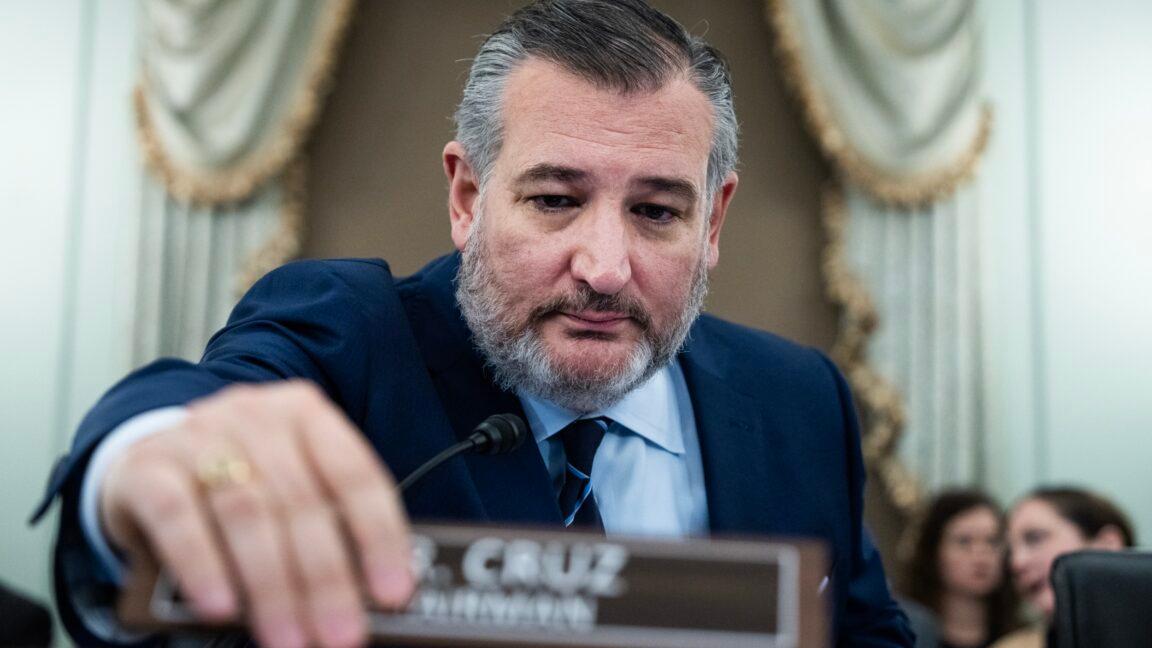
Senate Committee Advances FCC Nominee Amid Democratic Boycott
The Senate Commerce Committee advanced the nomination of FCC candidate Danielle Thumann in a unanimous 15-0 Republican vote. Democrats boycotted the session, citing procedural rules and alleging the nominee provided misleading testimony regarding media policy work.
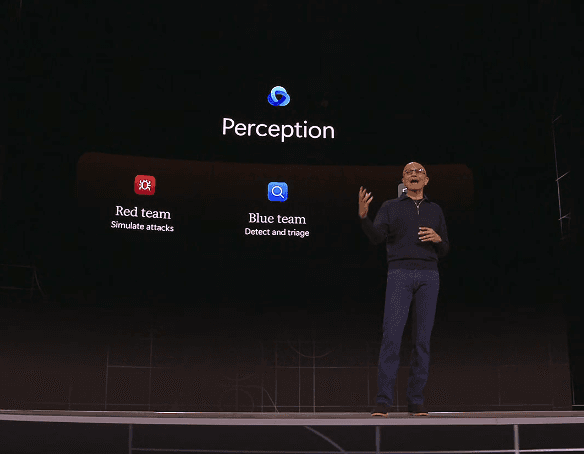
Microsoft Copilot Workspaces & Enterprise AI Governance
Microsoft is transforming Copilot into a collaborative ecosystem for both humans and AI agents. The newly unveiled Workspaces shifts artificial intelligence from a single-player utility to a shared workspace, backed by fresh security frameworks.
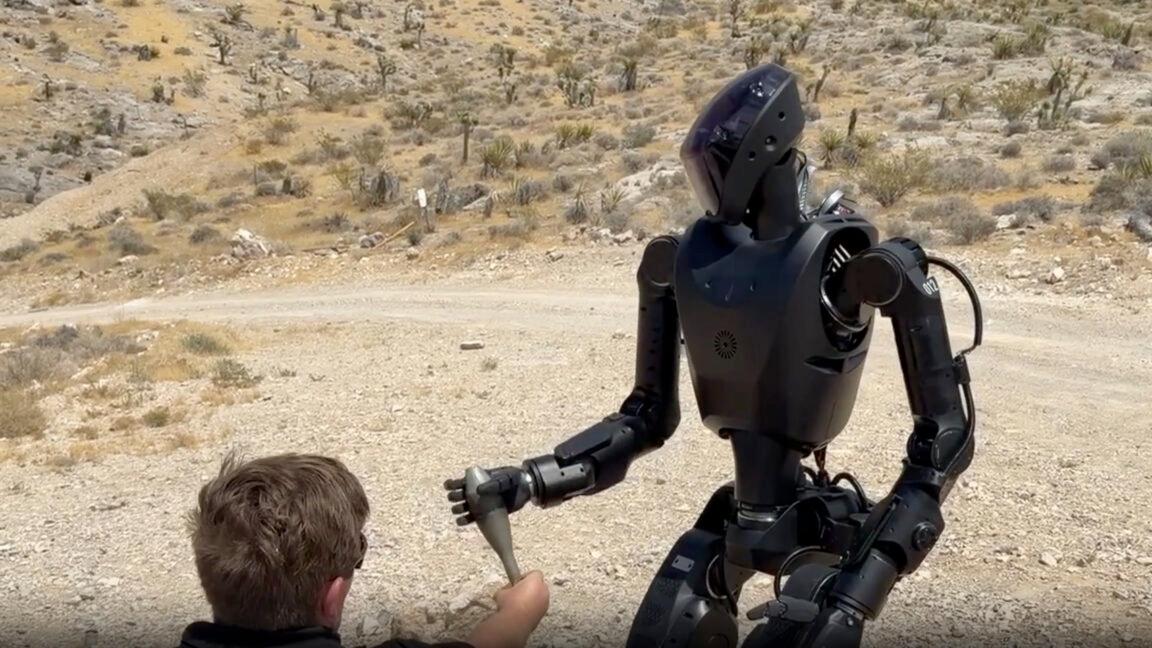
Battlefield Robots & The Reality of Military Humanoids
Despite high-profile startup claims and promotional videos, humanoid military robots remain unproven for actual combat deployments. Instead, modern defense innovation relies on practical unmanned ground vehicles and aerial drone swarms operating in real conflict zones.