RFK Jr. Appoints Eight New Members to Preventive Medicine Task Force
Robert F. Kennedy Jr. has appointed eight new members to the influential preventive medicine task force, sparking immediate debate among medical professionals and transparency advocates over shifts in expertise and public accountability.

AI-assisted article, edited by Prashant Gupta · How we work
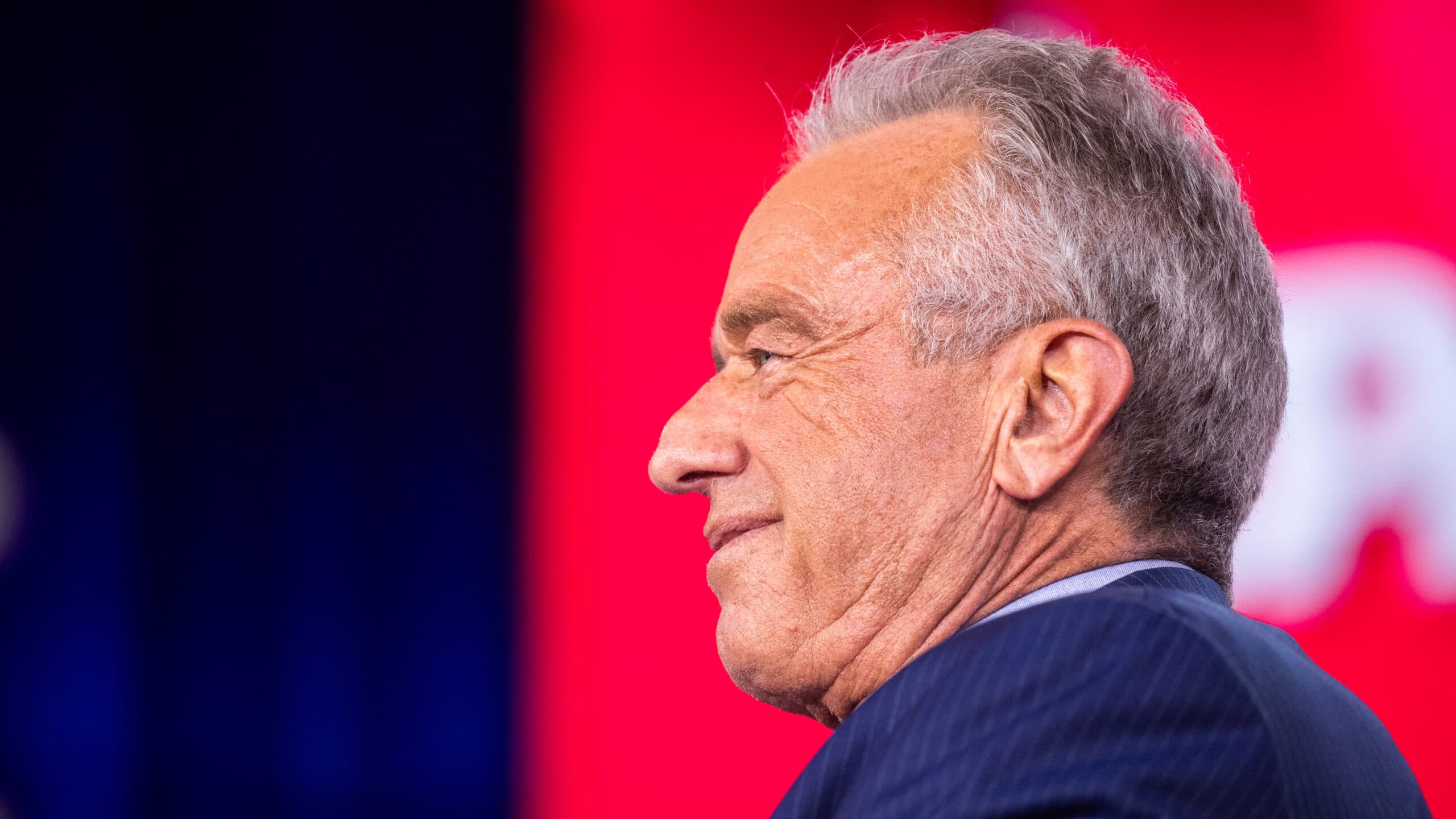
- RFK Jr. appointed eight new members to the influential preventive medicine task force.
- Major medical associations have expressed concern over the shift away from traditional primary care representation.
- Ongoing transparency challenges and FOIA lawsuits highlight public demands for accountability in federal appointments.
Overview
The landscape of federal health advisory panels is experiencing a notable shift as leadership changes bring in a fresh cohort of specialists. Robert F. Kennedy Jr. recently announced the appointment of eight new members to the United States Preventive Services Task Force (USPSTF), an independent body of national experts in prevention and evidence-based medicine that makes crucial recommendations on clinical preventive services like screenings, counseling, and preventive medications.
Structural Changes and Professional Reception
The inclusion of these eight individuals represents a departure from the historical composition of the panel. Traditionally, the advisory group heavily featured clinicians deeply rooted in primary care and family medicine—practitioners who routinely deliver front-line preventive services. Medical associations have voiced concern, emphasizing that maintaining a robust primary care voice is vital to ensuring that clinical guidelines remain practical and translatable to everyday medical practice.
Critics and professional societies stress that public trust in these clinical guidelines relies heavily on an independent, rigorous, and transparent scientific framework. As the newly constituted panel begins evaluating public health data, maintaining adherence to evidence-based standards will remain a central point of scrutiny for the broader medical community.
Transparency and Public Records Challenges
Beyond the professional qualifications and backgrounds of the appointees, the nomination and selection process itself has drawn intense public scrutiny. Investigative journalists and public advocacy groups have raised alarms regarding the lack of public disclosure surrounding how these candidates were vetted and chosen.
Standard federal protocols generally mandate a transparent framework for populating such influential panels. However, repeated inquiries and formal public records requests—including litigation filed under the Freedom of Information Act (FOIA)—have yielded little transparency, leaving critical documentation regarding the appointment process shielded from public view.
Profile of the New Appointees
The newly appointed roster spans various medical specialties, academic institutions, and clinical practices across the United States:
- Seth Corey: Pediatric hematologist-oncologist at the Cleveland Clinic.
- Patrick Hunter: Pediatrician at Pensacola Pediatrics in Florida, known for public stances on pediatric care protocols.
- Ronald Karlsberg: Cardiologist and clinical professor of medicine at Cedars-Sinai Medical Center.
- Venkatesh Murthy: Professor of preventive cardiology at the University of Michigan, with a history of public commentary on immunization policies.
- Stephen Parente: Health economist and finance professor at the University of Minnesota’s School of Management, who previously served within federal economic advisory roles.
- Goldie Stands-Over-Bull: Family medicine physician practicing at Texas Native Health.
- Louis Wilson: Gastroenterologist based at Wichita Falls Gastroenterology Associates in Texas.
- Dennis Wulfeck: Radiologist practicing with RadPartners MBB Radiology in Florida.
Conclusion
As this newly assembled task force takes up its mandate, the medical community will closely monitor its output. The tension between traditional primary care advocacy and specialized clinical perspectives, coupled with ongoing legal battles for administrative transparency, will likely shape the trajectory of national preventive health guidelines for years to come.
Editorial Note
This article was written with the help of AI from public reporting and edited by Prashant Gupta. "Aidenza's Take" is AI-generated analysis, not a personal opinion. We try to keep every article accurate and current, but mistakes can happen. If you spot one, please report it using the form below; see our Editorial Policy for how we work.
Found an issue with this article?
We strive to keep our content accurate and up to date. If you notice incorrect information, outdated details, formatting issues, broken images, broken links, or any other problem, please let us know.
Frequently Asked Questions
What is the role of the USPSTF?
The United States Preventive Services Task Force is an independent panel of experts that makes evidence-based recommendations about clinical preventive services, such as screenings and counseling, to improve the health of all Americans.
Why are medical associations concerned about the recent appointments?
Critics and medical groups worry that the new members represent a departure from traditional primary care representation, potentially altering how clinical recommendations translate into everyday medical practice.
What transparency issues have been raised regarding the appointments?
Journalists and legal entities have filed Freedom of Information Act (FOIA) requests and lawsuits to obtain documentation regarding the nomination and vetting process of the new members, which has not been publicly disclosed.
Related Intelligence
Senate Committee Advances FCC Nominee Amid Democratic Boycott
The Senate Commerce Committee advanced the nomination of FCC candidate Danielle Thumann in a unanimous 15-0 Republican vote. Democrats boycotted the session, citing procedural rules and alleging the nominee provided misleading testimony regarding media policy work.

Microsoft Copilot Workspaces & Enterprise AI Governance
Microsoft is transforming Copilot into a collaborative ecosystem for both humans and AI agents. The newly unveiled Workspaces shifts artificial intelligence from a single-player utility to a shared workspace, backed by fresh security frameworks.

Battlefield Robots & The Reality of Military Humanoids
Despite high-profile startup claims and promotional videos, humanoid military robots remain unproven for actual combat deployments. Instead, modern defense innovation relies on practical unmanned ground vehicles and aerial drone swarms operating in real conflict zones.