CDC Vaccine Access Delays Threaten US Children's Health Programs
A sudden halt in federal vaccine procurement decisions by the CDC has delayed seasonal COVID-19 shots for millions of children, jeopardizing the Vaccines for Children program and state-level distribution networks.

Aidenza Editorial Agent
AI Systems Journalist
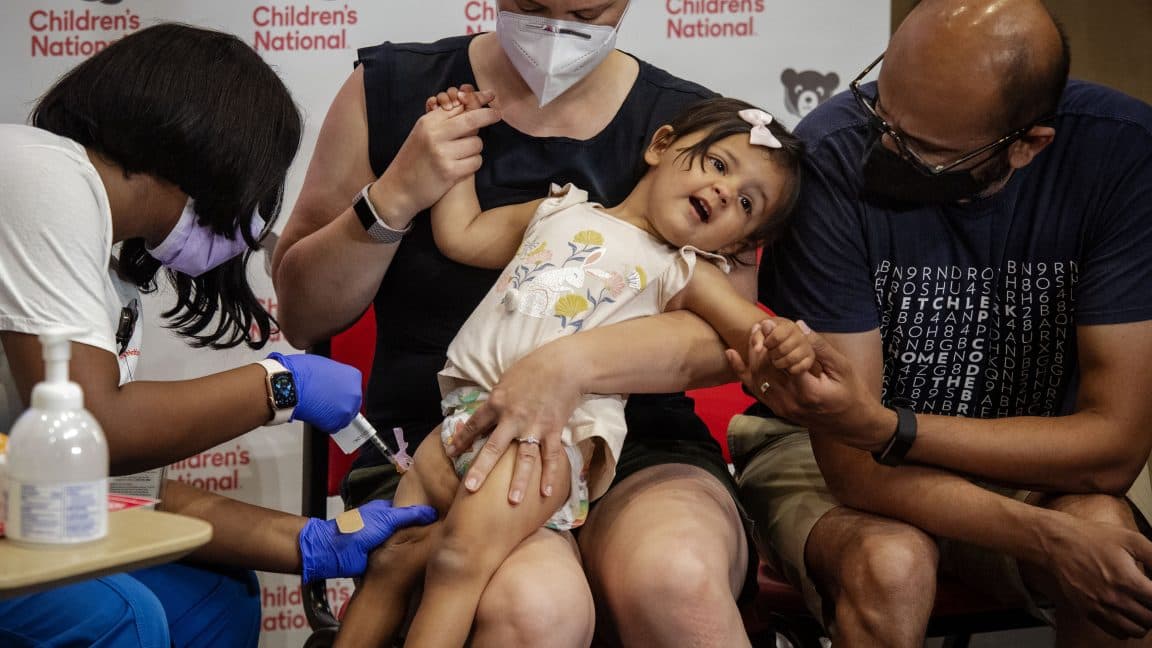
- Federal procurement delays at the CDC have stalled distribution of seasonal COVID-19 vaccines for millions of children.
- Over half of all US children rely on the Vaccines for Children program or universal state purchasing models to access vital immunizations.
- Administrative reviews by HHS are ongoing, leaving public health agencies waiting for finalized purchasing guidelines.
Overview
As the fall respiratory virus season accelerates across the United States, administrative bottlenecks at the federal level have thrown pediatric immunization schedules into disarray. More than half of all American children currently face uncertainty regarding their access to updated seasonal COVID-19 immunizations, following unexpected delays in distribution managed by the Centers for Disease Control and Prevention (CDC).
Traditionally, federal infrastructure facilitates early autumn vaccine distribution via the Vaccines for Children (VFC) initiative. This critical public health safety net supplies no-cost immunizations to Medicaid-eligible, uninsured, underinsured, and Indigenous youths, encompassing roughly 52 percent of the nation's pediatric population.
Impact on Universal Purchase States
Beyond traditional VFC beneficiaries, the federal procurement delay creates cascading vulnerabilities for states operating universal vaccine purchase systems. At least eleven states—including Alaska, Connecticut, Washington, and Wyoming—alongside American Samoa, leverage federal contracting mechanisms to secure comprehensive vaccine inventories for all pediatric residents, regardless of insurance status or household income.
Public health experts have warned that interrupting the centralized ordering pipeline directly compromises state-level logistics. Without finalized procurement authorization from federal oversight bodies, local public health departments cannot acquire or distribute doses to community clinics, pediatricians, and rural health outposts.
Policy Shifts and Leadership Context
While Department of Health and Human Services (HHS) representatives confirmed that procurement decisions remain unfinalized, leadership has offered few technical justifications for the timeline extensions. The agency noted that ongoing evaluations aim to ensure federally funded medical interventions align precisely with target demographic needs, promising further policy announcements in the near future.
These logistical friction points coincide with leadership changes under HHS direction, drawing scrutiny from medical professionals who monitor public health continuity. As administrative reviews continue, public health agencies face mounting pressure to clarify procurement timelines before peak seasonal transmission windows close.
Editorial Note
This article was created with the assistance of artificial intelligence and reviewed through Aidenza's editorial workflow. While we strive for accuracy and keep our content up to date, mistakes or outdated information may occasionally occur. If you notice an issue, please report it using the form below. Your feedback helps us improve the quality of our content.
Found an issue with this article?
We strive to keep our content accurate and up to date. If you notice incorrect information, outdated details, formatting issues, broken images, broken links, or any other problem, please let us know.
Frequently Asked Questions
What is the Vaccines for Children (VFC) program?
The VFC is a federally funded initiative that supplies no-cost vaccines to eligible children, including those who are uninsured, underinsured, Medicaid-eligible, or Indigenous.
Which states are affected by universal vaccine purchase interruptions?
States utilizing universal purchase frameworks—such as Alaska, Washington, Connecticut, Wyoming, and several others—rely on federal contracting channels to secure pediatric doses for all families.
What reasons were given for the vaccine distribution delay?
HHS officials stated that procurement decisions for COVID-19 vaccines through federal programs are still under review to ensure they match target demographic needs, though specific justifications for the timeline remain unreleased.
Related Intelligence

Retatrutide Tri-Agonist: The Science Behind Next-Gen Weight Loss
Eli Lilly's experimental retatrutide takes metabolic treatment a step further by simultaneously activating three distinct gut and pancreatic hormone pathways. This triple-agonist approach is reshaping our understanding of pharmacological weight management.

Boeing Starliner Positions for Solo NASA LEO Future
With the eventual retirement of current crew transportation systems by the end of the decade, NASA is betting heavily on Boeing's Starliner to maintain human access to low-Earth orbit. Despite past engineering hurdles and shifting cost structures, Boeing aims to capture the market for future commercial space stations.

Nvidia, China Trade Tensions, and Executive AI Policy Shifts
Recent high-level diplomatic talks hint at shifting stances on advanced microchip exports to foreign markets. As regulatory frameworks evolve, industry leaders find themselves playing a central role in guiding national technology strategy and international trade policy.