Seagate FireCuda Forge Hybrid Drive Released
Seagate is reviving the hybrid storage concept with its new FireCuda Forge lineup, merging high-capacity mechanical hard drives with user-installed NVMe solid-state drives. Managed by a platform called Alkemi, the system targets modern storage cost inflation driven by the artificial intelligence boom.

AI-assisted article, edited by Prashant Gupta · How we work
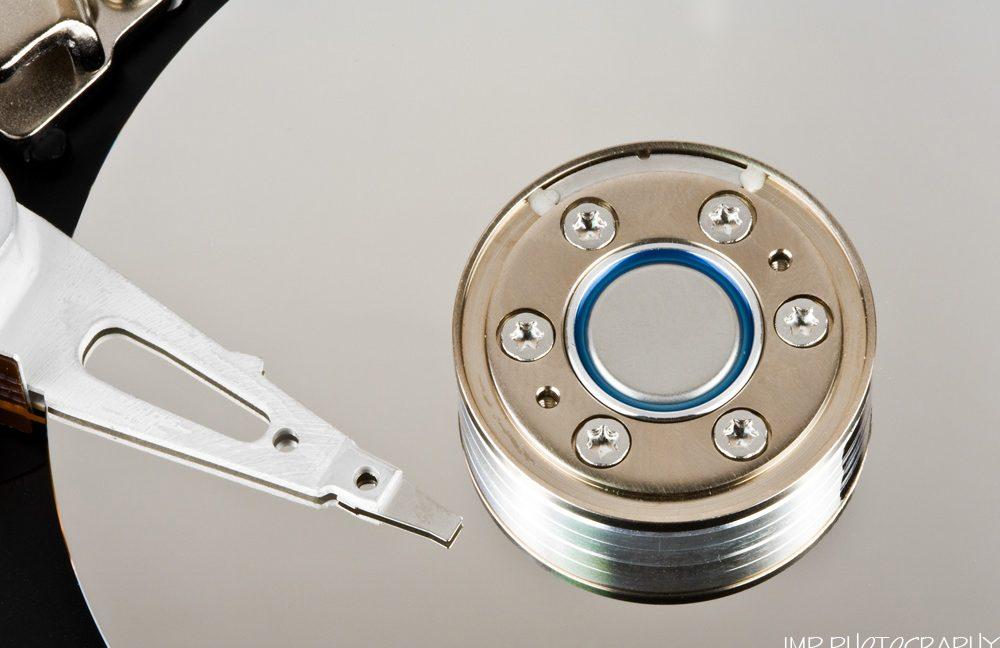
- Hybrid storage architectures are returning to the market to combat rising NAND flash and HDD costs driven by the AI boom.
- The FireCuda Forge combines high-capacity mechanical storage with user-supplied NVMe drives managed by the Alkemi platform.
- Critical technical details regarding data redundancy, failure recovery, and tiering mechanics remain unconfirmed by the manufacturer.
Overview
The landscape of digital storage is experiencing a strange moment of nostalgia. Seagate has officially introduced the FireCuda Forge, a hybrid storage system that marries the massive capacity of traditional spinning hard disk drives (HDDs) with the velocity of solid-state drives (SSDs). Available in 8TB and 20TB configurations, the product arrives as the hardware industry grapples with skyrocketing memory prices.
Unlike classic all-in-one solutions, the FireCuda Forge leaves the faster component up to the buyer. Users must supply an M.2 2280 NVMe solid-state drive with a maximum capacity of 1TB, PCIe Gen3 or higher, and minimum speeds of 2,400MB/s read and 2,000MB/s write. The enclosure uses USB4 connectivity to bridge the hardware, promising combined system speeds of up to 2,500MB/s read.
The Economics of Modern Storage
To understand why hybrid architectures are making a comeback, one must look at the current economic pressures facing data centers and consumers alike. The rapid expansion of artificial intelligence infrastructure has driven a severe surge in NAND flash and mechanical storage costs. Price per terabyte for flash memory has multiplied significantly compared to historical lows, while mechanical storage has seen similar pricing volatility.
This macroeconomic squeeze mirrors the conditions that inspired hybrid storage solutions a decade ago. In the early 2010s, combining a spacious, affordable mechanical platter with a smaller, pricey SSD was seen as an elegant way to balance performance and budget. Apple famously attempted this with its Fusion Drive in 2012, which dynamically allocated blocks across both media types to give users a unified volume.
The Alkemi Platform and Unanswered Architectural Questions
Seagate’s hardware relies on a new proprietary management layer called the Alkemi intelligent storage platform. According to technical documentation, Alkemi operates directly within the enclosure, dynamically learning user habits to keep frequently accessed files on the faster solid-state partition while relegating cold data to the mechanical platters.
However, the lack of granular technical documentation leaves critical architectural questions unanswered. Early hybrid systems like the Fusion Drive suffered from structural fragility; if either the mechanical or solid-state component failed, recovering the unified volume was notoriously difficult. Other historic implementations, such as Intel’s Smart Response Technology, mitigated risk by maintaining a master copy on the mechanical drive while mirroring frequently accessed files onto the cache.
Seagate has yet to clarify whether Alkemi utilizes a caching approach or an aggressive block-tiering strategy, nor has the company explained how the system handles a hardware failure of either the mechanical base or the user-supplied NVMe module. As these drives roll out to the market, comprehensive testing and transparent technical specifications will determine whether modern engineering has truly solved the durability pitfalls of yesterday's hybrid designs.
Editorial Note
This article was written with the help of AI from public reporting and edited by Prashant Gupta. "Aidenza's Take" is AI-generated analysis, not a personal opinion. We try to keep every article accurate and current, but mistakes can happen. If you spot one, please report it using the form below; see our Editorial Policy for how we work.
Found an issue with this article?
We strive to keep our content accurate and up to date. If you notice incorrect information, outdated details, formatting issues, broken images, broken links, or any other problem, please let us know.
Frequently Asked Questions
What capacities are available for the FireCuda Forge?
The FireCuda Forge is available in 8TB ($699) and 20TB ($899) configurations.
Does the drive come with an SSD included?
No. Users must supply their own compatible M.2 2280 NVMe SSD (up to 1TB capacity) that meets minimum speed requirements.
What is the Alkemi platform?
Alkemi is Seagate's new intelligent storage management platform housed within the enclosure that coordinates data placement between the mechanical drive and the user-supplied SSD.
Related Intelligence

Senate Committee Advances FCC Nominee Amid Democratic Boycott
The Senate Commerce Committee advanced the nomination of FCC candidate Danielle Thumann in a unanimous 15-0 Republican vote. Democrats boycotted the session, citing procedural rules and alleging the nominee provided misleading testimony regarding media policy work.
Microsoft Copilot Workspaces & Enterprise AI Governance
Microsoft is transforming Copilot into a collaborative ecosystem for both humans and AI agents. The newly unveiled Workspaces shifts artificial intelligence from a single-player utility to a shared workspace, backed by fresh security frameworks.

Battlefield Robots & The Reality of Military Humanoids
Despite high-profile startup claims and promotional videos, humanoid military robots remain unproven for actual combat deployments. Instead, modern defense innovation relies on practical unmanned ground vehicles and aerial drone swarms operating in real conflict zones.