SpaceX Starship Tower Catch Advances Reusability
SpaceX has achieved a major aerospace engineering milestone by successfully capturing a descending Starship vehicle using launch tower mechanical arms. This technical feat demonstrates unprecedented precision in physical trajectory control and dynamic retro-propulsion. The achievement significantly accelerates the industry toward fully and rapidly reusable space transportation architectures.

AI-assisted article, edited by Prashant Gupta · How we work
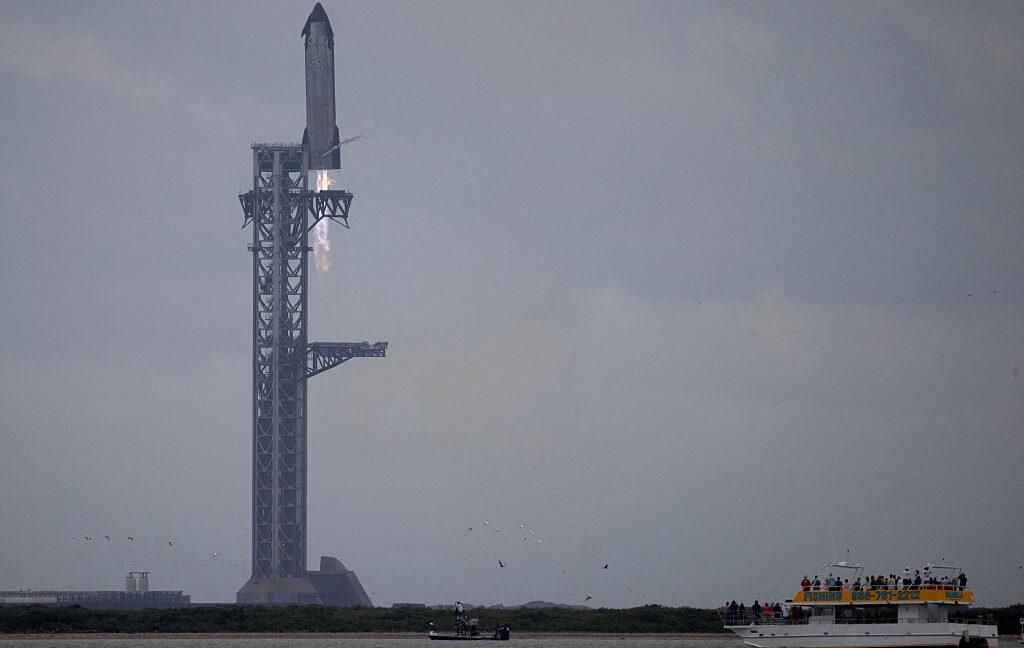
- Ground-based mechanical capture eliminates heavy landing gear, maximizing vehicle payload capacity.
- Precise retro-propulsion and real-time telemetry enable dynamic vehicle interception within extremely narrow margins.
Overview
Recent flight testing at Starbase, Texas, demonstrated a major leap in aerospace recovery systems as SpaceX successfully executed a tower-based capture of its Starship vehicle. Transitioning from high-velocity unpowered horizontal descent to powered vertical deceleration, the craft ignited three Raptor engines moments before touchdown to precision-align with designated capture points on the launch infrastructure.
Mechanical Dynamics of Tower-Based Capture
Traditional vehicle recovery paradigms depend on deployable landing legs onboard the rocket, which introduce dry mass penalties and reduce maximum payload capacity. The tower capture approach offloads landing mechanics entirely to ground-based infrastructure. During the final seconds of descent, twin structural pins protruding roughly one foot from the vehicle's side must interface within strict spatial tolerances against the motorized arm assembly of the launch tower.
Achieving this dynamic interception demands instantaneous telemetry processing to counter atmospheric turbulence while fine-tuning Raptor engine throttle curves. The seamless engagement between the structural pins and mechanical capture arms proves that ground infrastructure can reliably absorb the extreme kinetic energy of returning heavy-lift vehicles.
Structural Paradigms for Rapid Flight Refurbishment
Historical reusable platforms like NASA's Space Shuttle relied on single-use propellant tanks and extensive runway servicing procedures. By contrast, a ground-captured vertical landing eliminates marine hardware retrieval, avoiding ocean water salt corrosion entirely.
By transferring landing gear weight to static ground structures, engineers maximize orbital payload capacity while drastically reducing turnaround times. This operational breakthrough marks a decisive step toward transforming space transportation from rare, custom launches into high-frequency, scalable hardware deployments.
Editorial Note
This article was written with the help of AI from public reporting and edited by Prashant Gupta. "Aidenza's Take" is AI-generated analysis, not a personal opinion. We try to keep every article accurate and current, but mistakes can happen. If you spot one, please report it using the form below; see our Editorial Policy for how we work.
Found an issue with this article?
We strive to keep our content accurate and up to date. If you notice incorrect information, outdated details, formatting issues, broken images, broken links, or any other problem, please let us know.
Frequently Asked Questions
How does the Starship tower catch system function?
The vehicle uses its Raptor engines to transition from a horizontal descent to a vertical posture near the launch tower. Specialized structural pins on the craft then settle directly onto motorized mechanical arms attached to the tower, capturing the vehicle mid-air.
Why is tower capture preferred over onboard landing legs?
Eliminating onboard landing gear removes significant dead weight from the vehicle, allowing more mass capacity for payload. It also enables immediate positioning on the launch mount for rapid refueling and reflight.
Related Intelligence

Senate Committee Advances FCC Nominee Amid Democratic Boycott
The Senate Commerce Committee advanced the nomination of FCC candidate Danielle Thumann in a unanimous 15-0 Republican vote. Democrats boycotted the session, citing procedural rules and alleging the nominee provided misleading testimony regarding media policy work.

Microsoft Copilot Workspaces & Enterprise AI Governance
Microsoft is transforming Copilot into a collaborative ecosystem for both humans and AI agents. The newly unveiled Workspaces shifts artificial intelligence from a single-player utility to a shared workspace, backed by fresh security frameworks.
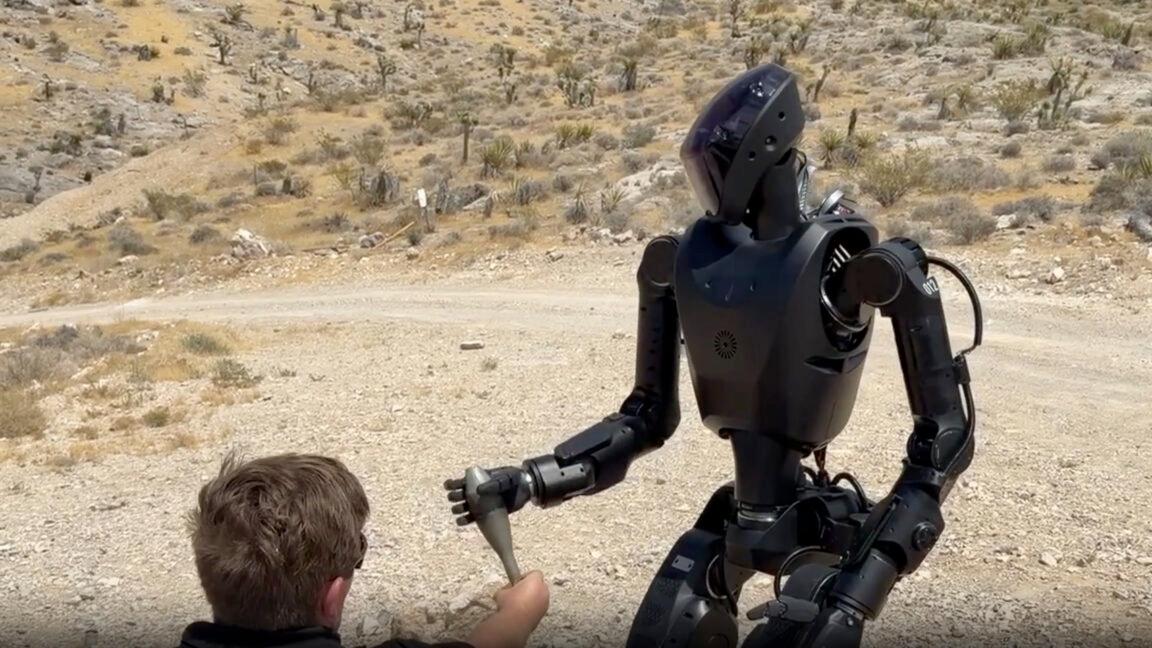
Battlefield Robots & The Reality of Military Humanoids
Despite high-profile startup claims and promotional videos, humanoid military robots remain unproven for actual combat deployments. Instead, modern defense innovation relies on practical unmanned ground vehicles and aerial drone swarms operating in real conflict zones.