Starship Flight 15 Reaches Orbit and Deploys Satellites
SpaceX achieved a major engineering milestone as Starship completed its 15th test flight, successfully reaching orbit and deploying 26 next-generation Starlink satellites. While the upper stage performed flawlessly, an unexpected booster anomaly prevented a tower catch.

AI-assisted article, edited by Prashant Gupta · How we work
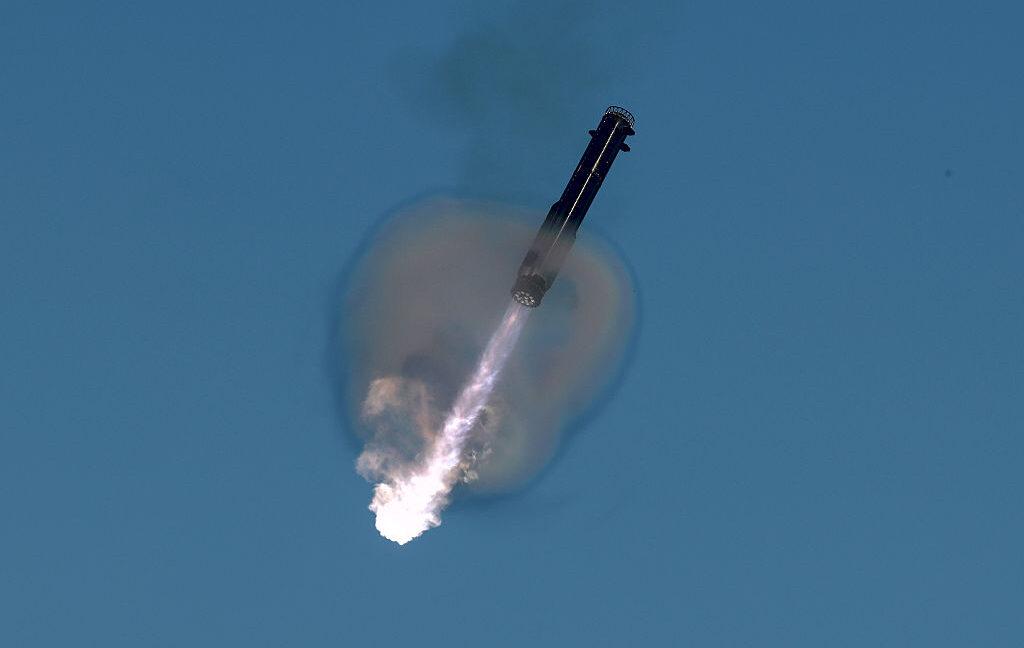
- Starship successfully achieved low-Earth orbit for only the second time in its testing history.
- The vehicle proved its operational capability by deploying 26 Starlink V3 satellites with wide solar arrays.
- First-stage booster recovery was aborted, resulting in a controlled splashdown in the Gulf of Mexico rather than a tower catch.
Overview
SpaceX successfully executed the 15th test flight of its colossal Starship vehicle from its South Texas launch site. Liftoff occurred precisely on schedule during a tranquil evening, allowing the rocket's exhaust plume to linger sharply against the twilight sky. This mission marked only the second time the heavy-lift vehicle has successfully pushed an upper stage into low-Earth orbit, solidifying its progression from experimental prototype to an operational orbital system.
Payload Delivery and Orbital Insertion
The primary technical objective of the flight centered on payload deployment. Approximately forty minutes into the mission, Starship utilized its specialized mechanical door mechanism to release twenty-six Starlink V3 satellites. Each spacecraft features massive solar arrays spanning sixty meters tip-to-tip. All payloads safely separated into their intended orbital trajectories, where onboard propulsion systems will subsequently raise their operational altitudes.
Successfully deploying a full batch of production-class hardware confirms that the vehicle can now function as a heavy orbital delivery system. As the largest and most powerful machine ever engineered for spaceflight, its core architecture is shifting from initial developmental testing toward routine operational capacity and scaling.
Booster Recovery Challenges
Despite the successful orbital insertion and payload deployment, the mission fell short of its secondary recovery goals. When the massive first-stage booster descended back toward Earth, telemetry or operational anomalies forced flight controllers to abort the planned return to the launch tower.
Instead of guiding the booster into the mechanical arms of the launch mount, the vehicle was diverted safely into the Gulf of Mexico, resulting in a controlled high-energy splashdown. Engineers are currently reviewing telemetry to diagnose the root cause, which temporarily delays the objective of achieving rapid structural reuse for this iteration of the heavy booster hardware.
Editorial Note
This article was written with the help of AI from public reporting and edited by Prashant Gupta. "Aidenza's Take" is AI-generated analysis, not a personal opinion. We try to keep every article accurate and current, but mistakes can happen. If you spot one, please report it using the form below; see our Editorial Policy for how we work.
Found an issue with this article?
We strive to keep our content accurate and up to date. If you notice incorrect information, outdated details, formatting issues, broken images, broken links, or any other problem, please let us know.
Frequently Asked Questions
What was the primary objective of Starship's 15th flight?
The main goal was to test orbital insertion and successfully deploy 26 Starlink V3 satellites into low-Earth orbit.
Did the first-stage booster return to the launch site?
No. Due to an unspecified issue during descent, the booster was diverted into the Gulf of Mexico instead of being caught by the launch tower.
Related Intelligence

Senate Committee Advances FCC Nominee Amid Democratic Boycott
The Senate Commerce Committee advanced the nomination of FCC candidate Danielle Thumann in a unanimous 15-0 Republican vote. Democrats boycotted the session, citing procedural rules and alleging the nominee provided misleading testimony regarding media policy work.

Microsoft Copilot Workspaces & Enterprise AI Governance
Microsoft is transforming Copilot into a collaborative ecosystem for both humans and AI agents. The newly unveiled Workspaces shifts artificial intelligence from a single-player utility to a shared workspace, backed by fresh security frameworks.
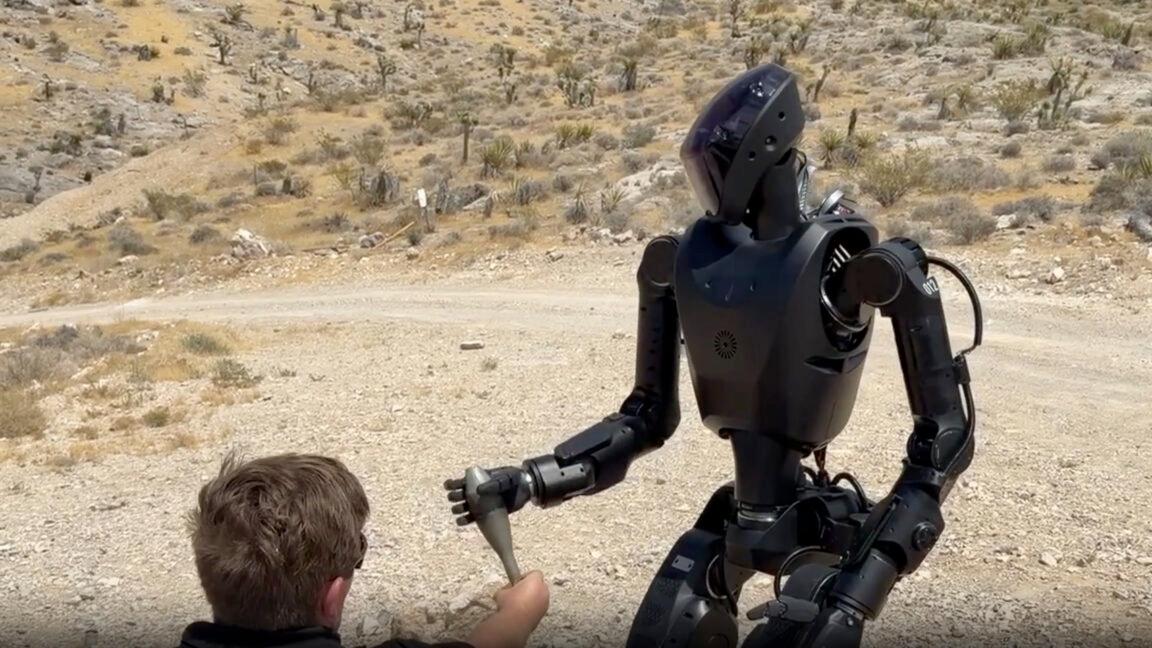
Battlefield Robots & The Reality of Military Humanoids
Despite high-profile startup claims and promotional videos, humanoid military robots remain unproven for actual combat deployments. Instead, modern defense innovation relies on practical unmanned ground vehicles and aerial drone swarms operating in real conflict zones.