ULA Vulcan Rocket Suffers First Mission Failure
United Launch Alliance suffered its first-ever total mission failure when a Vulcan rocket carrying 40 Amazon broadband satellites broke down shortly after liftoff. The unexpected grounding delivers a severe blow to both commercial constellation deployments and military launch schedules.

AI-assisted article, edited by Prashant Gupta · How we work
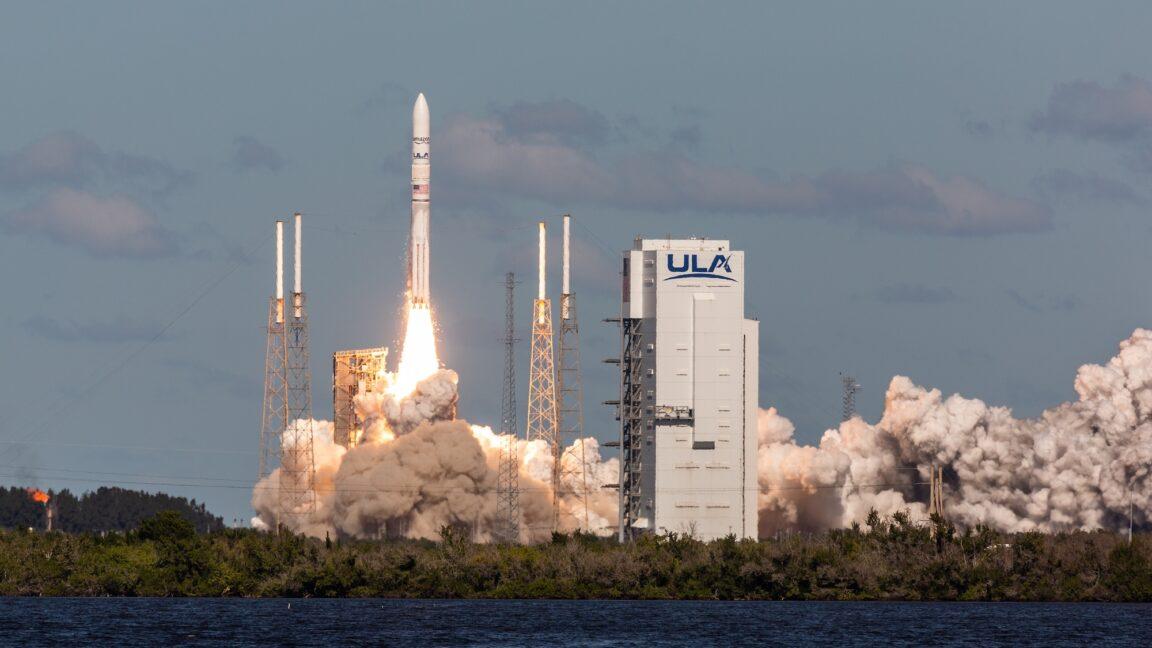
- United Launch Alliance experienced the first total mission failure in its 20-year operational history during an Amazon Leo satellite deployment.
- The grounding of the Vulcan rocket strains national security launch schedules and heavily burdens remaining defense providers.
- Scrutiny will center on the booster stage and BE-4 propulsion systems, which are shared across multiple next-generation launch vehicles.
Overview
A pivotal milestone for United Launch Alliance turned into an unprecedented setback when a Vulcan rocket and its cargo of 40 Amazon Leo broadband satellites plunged back to Earth minutes after clearing the pad at Cape Canaveral Space Force Station. Marking the inaugural total mission failure in the company's two-decade history, the incident has instantly paralyzed a vital launch vehicle relied upon by both commercial enterprises and the defense sector.
The anomaly occurred roughly ten minutes into the flight, following an otherwise nominal separation of the primary solid rocket boosters. Telemetry data and live mission animations indicated an abnormal overburn phase from the twin BE-4 main engines, followed by an uncommanded vehicle spin. While the Centaur V upper stage subsequently attempted to recover trajectory via its RL10 engines, the mission could not be salvaged, prompting an indefinite grounding of the Vulcan fleet while engineers initiate a forensic root-cause analysis.
Cascading Commercial and Military Consequences
The loss of the payload is eclipsed by the operational paralysis of Amazon's burgeoning satellite network. Designed to rival established consumer broadband constellations, the Amazon Leo project depends heavily on a multi-vendor launch strategy that features dozens of reserved Vulcan flights. With more than half of its manufactured satellites currently languishing in storage, the grounding forces Amazon to pivot toward alternative providers like Europe's Ariane 6 and its remaining allocations on rival SpaceX Falcon 9 rockets.
Concurrently, the United States Space Force faces acute strategic pressures. The military branch designated Vulcan to handle nearly half of its critical national security payloads over the coming years. Because previous delays already forced the Pentagon to shift sensitive missions to SpaceX, this latest failure intensifies an already heavy reliance on a single primary launch provider while defense planners race to maintain orbital parity with geopolitical competitors.
Propulsion Dynamics and Future Outlook
Attention during the investigation will inevitably focus on the heavy-duty booster stage and its methane-powered BE-4 engines, manufactured by Blue Origin. Because these identical propulsion systems also drive Blue Origin's heavy-lift New Glenn rocket—which recently suffered a ground-test explosion linked to a faulty valve—any structural or mechanical indictment of the engine could trigger widespread delays across multiple aerospace programs, including upcoming uncrewed lunar lander tests slated for NASA's Artemis campaign.
As engineering teams comb through telemetry logs in partnership with federal agencies, the entire commercial space ecosystem must recalibrate. Ensuring reliable, redundant access to orbit remains one of the most difficult engineering challenges in modern technology, requiring rigorous transparency and methodical remediation before heavy-lift operations can safely resume.
Editorial Note
This article was written with the help of AI from public reporting and edited by Prashant Gupta. "Aidenza's Take" is AI-generated analysis, not a personal opinion. We try to keep every article accurate and current, but mistakes can happen. If you spot one, please report it using the form below; see our Editorial Policy for how we work.
Found an issue with this article?
We strive to keep our content accurate and up to date. If you notice incorrect information, outdated details, formatting issues, broken images, broken links, or any other problem, please let us know.
Frequently Asked Questions
What caused the ULA Vulcan rocket failure?
The exact cause is currently under active investigation. Initial telemetry pointed to an anomaly in the booster stage roughly ten minutes into flight, characterized by an engine overburn and vehicle spin before the mission was lost.
How does this failure impact Amazon's satellite internet plans?
The loss of 40 Amazon Leo satellites and the subsequent grounding of the Vulcan rocket delay Amazon's efforts to build out its consumer broadband constellation, forcing the company to rely more heavily on alternative rockets like the Ariane 6 and Falcon 9.
Are other rockets affected by this incident?
Potentially. The Vulcan booster stage utilizes twin BE-4 engines built by Blue Origin, which are also used on Blue Origin's New Glenn rocket. Investigators will determine if engine design factors contributed to the failure, which could impact other vehicles sharing the same propulsion architecture.
Related Intelligence

Senate Committee Advances FCC Nominee Amid Democratic Boycott
The Senate Commerce Committee advanced the nomination of FCC candidate Danielle Thumann in a unanimous 15-0 Republican vote. Democrats boycotted the session, citing procedural rules and alleging the nominee provided misleading testimony regarding media policy work.

Microsoft Copilot Workspaces & Enterprise AI Governance
Microsoft is transforming Copilot into a collaborative ecosystem for both humans and AI agents. The newly unveiled Workspaces shifts artificial intelligence from a single-player utility to a shared workspace, backed by fresh security frameworks.
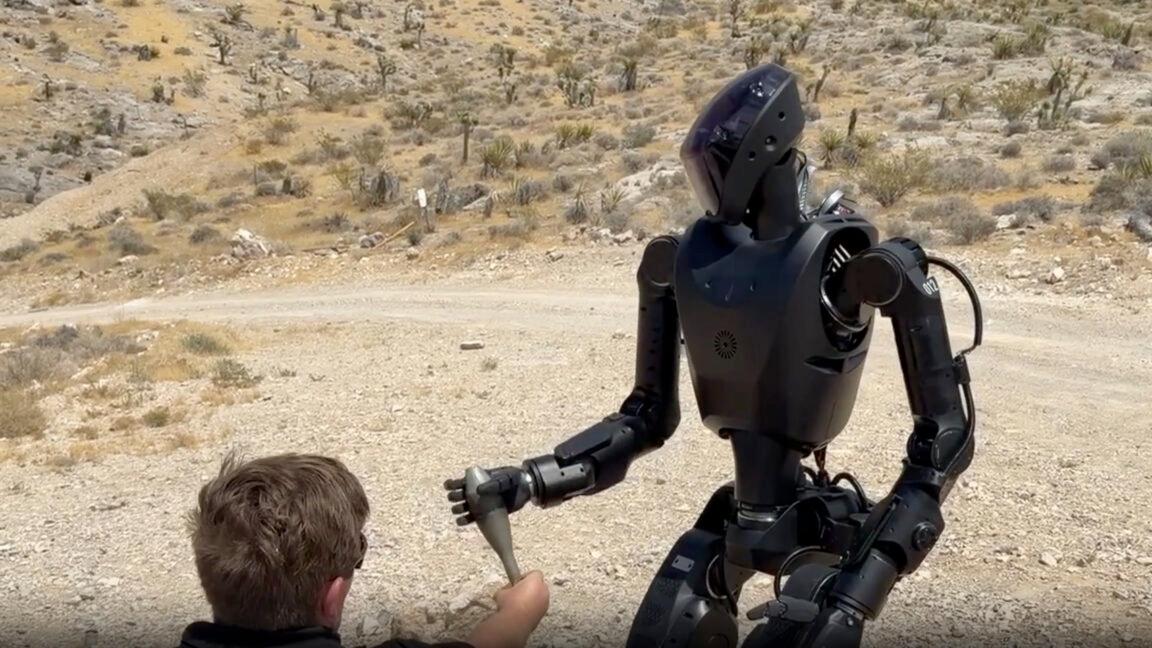
Battlefield Robots & The Reality of Military Humanoids
Despite high-profile startup claims and promotional videos, humanoid military robots remain unproven for actual combat deployments. Instead, modern defense innovation relies on practical unmanned ground vehicles and aerial drone swarms operating in real conflict zones.