Unusual Brain Parasite Infection Diagnosed via Lab Test
A rice farmer in the Philippines experiencing sudden physical tremors was diagnosed with neuroschistosomiasis after brain scans revealed parasitic worm eggs. Medical experts detailed the intricate and complex life cycle of the Schistosoma parasite responsible for the infection.

AI-assisted article, edited by Prashant Gupta · How we work
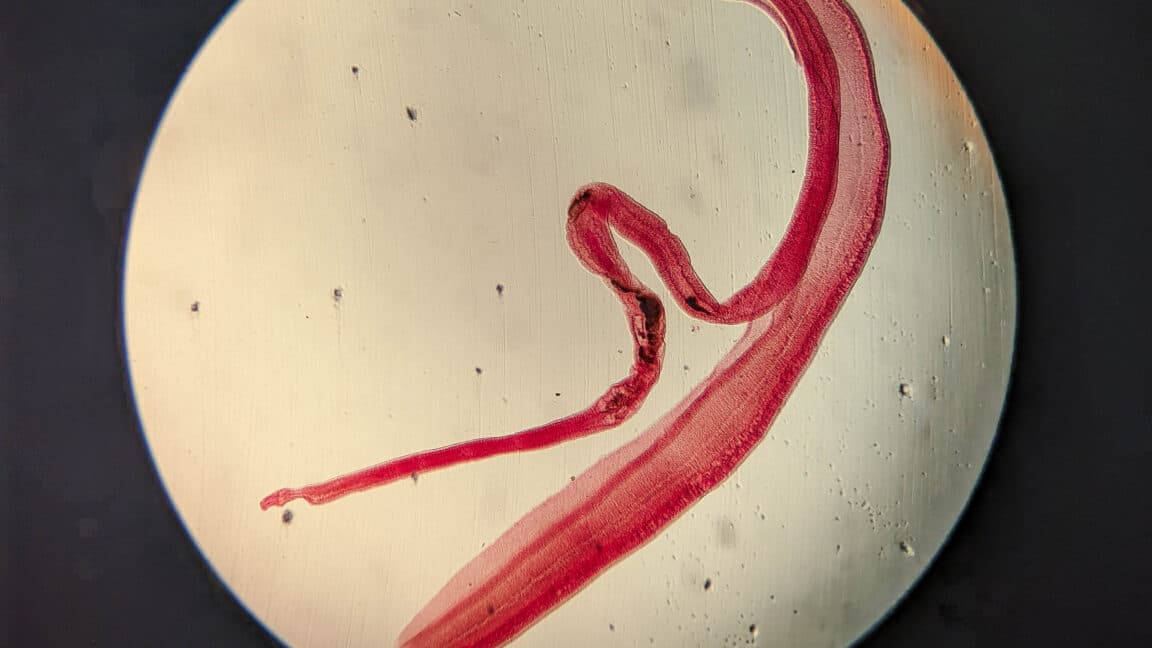
- Advanced neuroimaging like MRI is crucial for diagnosing rare intracranial parasitic infections.
- Schistosoma parasites utilize complex multi-host life cycles involving freshwater snails and mammals.
- Unusual migration of blood flukes can lead to unexpected neurological symptoms like localized tremors.
Overview
A routine day for a rice farmer in the Philippines took an alarming turn when she experienced sudden, involuntary shaking across the right side of her body. Lacking any prior indicators such as headaches, cognitive confusion, or localized weakness, the brief minute-long episode prompted an immediate hospital visit. Physical examinations initially yielded normal clinical findings, necessitating advanced neuroimaging to uncover the root cause.
Magnetic resonance imaging (MRI) scans of the brain unveiled a dense cluster of abnormal nodules enveloped by fluid within the left frontal lobe. Medical professionals quickly hypothesized that these anomalies were parasitic eggs, launching an investigation into a rare neurological complication known as neuroschistosomiasis.
The Complex Pathology of Blood Flukes
The condition stems from an infection by Schistosoma parasitic worms, commonly referred to as blood flukes. In Southeast Asian regions like the Philippines, Schistosoma japonicum represents the predominant species linked to these infections.
The organism features an intricate life cycle:
- Initial Transmission: Eggs are expelled into the environment through human or animal waste.
- Aquatic Phase: Under favorable conditions, the eggs hatch into free-swimming larvae that target specific freshwater snail species.
- Host Penetration: After developing inside the snail, mature larvae emerge with distinct forked tails, capable of directly burrowing through intact human skin.
- Systemic Migration: Once inside the vascular network, the parasites travel through the lungs and heart before settling in the liver to mature into adult worms.
Clinical Implications and Diagnosis
Adult blood flukes typically reside in pairs within the abdominal blood vessels connecting the liver and intestines. While they commonly affect visceral organs, anomalous migration pathways can occasionally lead them to the central nervous system, resulting in severe neurological symptoms. Documenting such cases helps medical researchers improve diagnostic accuracy for neglected tropical diseases.
Conclusion
This unusual medical presentation highlights the resilience and complexity of parasitic infections in endemic regions. Early intervention and advanced neuroimaging remain vital tools in identifying and treating rare complications before permanent neurological damage occurs.
Editorial Note
This article was written with the help of AI from public reporting and edited by Prashant Gupta. "Aidenza's Take" is AI-generated analysis, not a personal opinion. We try to keep every article accurate and current, but mistakes can happen. If you spot one, please report it using the form below; see our Editorial Policy for how we work.
Found an issue with this article?
We strive to keep our content accurate and up to date. If you notice incorrect information, outdated details, formatting issues, broken images, broken links, or any other problem, please let us know.
Frequently Asked Questions
What is neuroschistosomiasis?
It is an uncommon neurological complication caused by an infection with Schistosoma parasitic worms, where parasite eggs or worms migrate to the central nervous system.
How do humans contract Schistosoma japonicum?
Humans typically contract the parasite when free-swimming larvae, released from infected freshwater snails, actively penetrate intact human skin during water exposure.
What symptoms did the patient exhibit?
The patient experienced sudden, uncontrollable shaking on the right side of her body lasting about a minute, without headaches, confusion, or weakness.
Related Intelligence

Senate Committee Advances FCC Nominee Amid Democratic Boycott
The Senate Commerce Committee advanced the nomination of FCC candidate Danielle Thumann in a unanimous 15-0 Republican vote. Democrats boycotted the session, citing procedural rules and alleging the nominee provided misleading testimony regarding media policy work.

Microsoft Copilot Workspaces & Enterprise AI Governance
Microsoft is transforming Copilot into a collaborative ecosystem for both humans and AI agents. The newly unveiled Workspaces shifts artificial intelligence from a single-player utility to a shared workspace, backed by fresh security frameworks.

Battlefield Robots & The Reality of Military Humanoids
Despite high-profile startup claims and promotional videos, humanoid military robots remain unproven for actual combat deployments. Instead, modern defense innovation relies on practical unmanned ground vehicles and aerial drone swarms operating in real conflict zones.